Buy aefca.eu ?
We are moving the project
aefca.eu .
Are you interested in purchasing the domain
aefca.eu ?
domain@kv-gmbh.de · 0541-91531010
Buy aefca.eu ?
What hurts after basketball training?
After basketball training, players may experience soreness and pain in various parts of their body. Common areas that may hurt include the legs (especially the calves, thighs, and knees), the lower back, and the shoulders. This pain is often due to the high-intensity nature of basketball training, which involves running, jumping, and quick changes in direction. It is important for players to properly stretch, hydrate, and rest to help alleviate these post-training aches and pains. **
How is the basketball training structured?
The basketball training is structured in a progressive manner, starting with basic skills such as dribbling, passing, and shooting. As players improve, the training sessions become more advanced, focusing on team strategies, defensive techniques, and game simulations. The training also includes physical conditioning to improve strength, speed, and endurance. Coaches often incorporate drills, scrimmages, and video analysis to help players develop their skills and understanding of the game. **


Similar search terms for Basketball
Top-Angebote
Products related to Basketball:
-
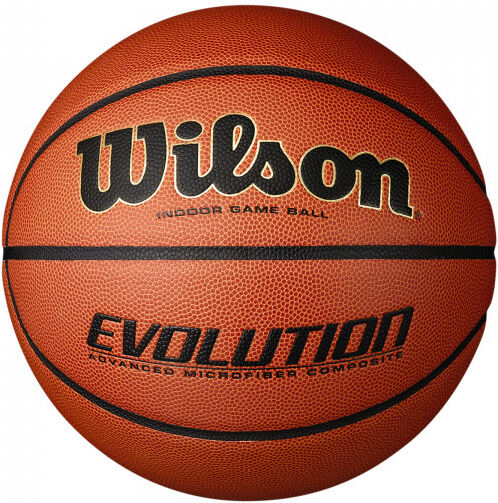
Wilson Evolution BasketballThe Wilson Evolution Basketball is a regular on indoor courts for a reason. The soft composite cover feels good in hand and gives you a steady grip during play. Deep channels help with control, and the cushion core adds a softer touch when passing, catching and finishing.It’s designed for indoor...69,95 £*Shipping: 4,95 £Secure redirect to the provider
-
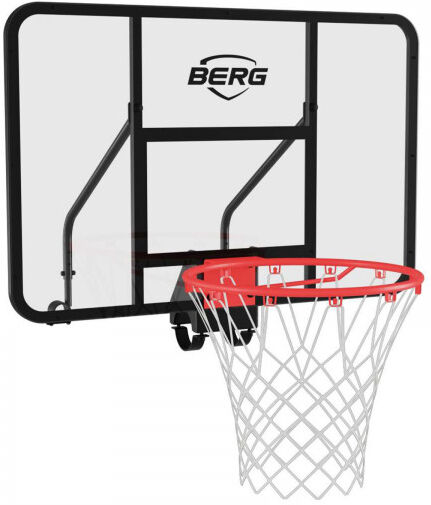
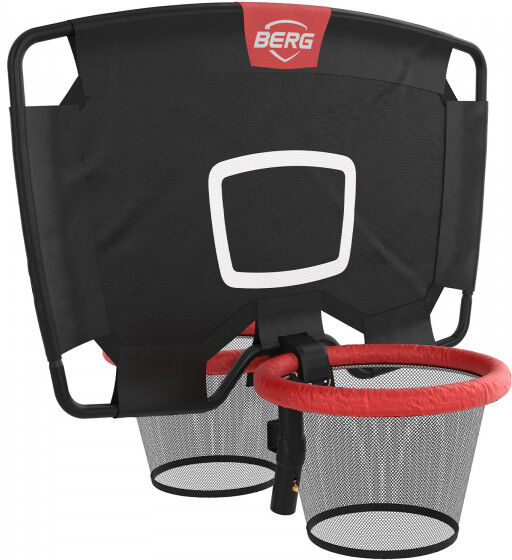
BERG PlayBase Basketball HoopBring the Whole Crew Add a basketball hoop to your BERG PlayBase and turn the garden into your own court. It clips onto M, L, XL and Wall PlayBase models with the tools included, and mounts on the front or side of the frame. Easy to Attach The hoop clips onto any M, L, XL or Wall PlayBase frame...179,00 £*Shipping: 0,00 £Secure redirect to the provider
-
What causes muscle soreness after basketball training?
Muscle soreness after basketball training is typically caused by microscopic damage to muscle fibers, which occurs when muscles are worked harder than they are used to. This damage leads to inflammation and the release of chemicals that can irritate nerve endings, resulting in the sensation of soreness. Additionally, the buildup of lactic acid in the muscles during intense exercise can contribute to muscle soreness. Proper warm-up, cool down, hydration, and stretching can help reduce muscle soreness after basketball training. **
-
After basketball training, which proteins are recommended?
After basketball training, it is recommended to consume proteins that can help with muscle recovery and repair. Whey protein is a popular choice as it is quickly absorbed by the body and can help with muscle protein synthesis. Additionally, consuming proteins from sources like chicken, fish, eggs, or plant-based sources like lentils and quinoa can also provide the necessary amino acids for muscle recovery. It is important to consume a combination of proteins and carbohydrates after training to replenish energy stores and support muscle recovery. **
-
How is youth development in basketball carried out in the USA?
Youth development in basketball in the USA is typically carried out through a combination of school programs, community leagues, and club teams. Many children start playing basketball at a young age through recreational leagues or school teams, where they learn the fundamentals of the game. As they progress, more serious players may join club teams or elite programs that offer higher levels of competition and coaching. Additionally, there are various basketball camps and clinics available throughout the country that provide specialized training and development opportunities for young players looking to improve their skills. **
-
How can one do basketball training at home?
One can do basketball training at home by setting up a designated space for dribbling, shooting, and practicing footwork. Utilizing a portable basketball hoop or shooting into a designated area can help improve shooting accuracy. Additionally, incorporating strength and conditioning exercises such as jumping rope, bodyweight exercises, and agility drills can help improve overall athleticism and basketball skills. Watching instructional videos and practicing fundamental skills such as passing, dribbling, and shooting can also be beneficial for at-home basketball training. **
How can one improve jump training in basketball?
One way to improve jump training in basketball is to focus on building lower body strength through exercises like squats, lunges, and calf raises. Additionally, incorporating plyometric exercises such as box jumps, depth jumps, and jump squats can help improve explosive power and vertical jump height. It's also important to work on flexibility and mobility in the lower body to maximize the effectiveness of jump training. Finally, practicing proper jumping technique and form, as well as incorporating jump-specific drills and exercises into regular training sessions, can help improve overall jumping ability in basketball. **
What hurts when you walk after basketball training?
When you walk after basketball training, it is common to experience pain in your feet, ankles, and legs. This can be due to the impact and strain on these areas during the training session. Additionally, if you have been running and jumping a lot during the training, you may also feel pain in your knees and lower back. It is important to stretch and rest these areas to help alleviate the pain and prevent further injury. **
Top-Angebote
Products related to Basketball:
-
John Murray Business Coaching For Performance 6th Edition: The Principles And Practice Of Coaching And Leadership - Non FictionTitle:. Coaching For Performance 6th Edition: The Principles And Practice Of Coaching And Leadership Overview:. Unlock the full potential of your team with this essential guide to professional coaching. John Whitmore’s text delivers a clear roadmap for improving results. You will learn to ask powerful questions that spark independent thinking. The pages walk you through real-world scenarios to build trust. Every chapter offers actionable steps to foster accountability. You discover how to balance high expectations with genuine support. This updated guide keeps core principles sharp for modern workplaces. It bridges the gap between theory and daily practice. You gain the tools to navigate complex conversations confidently. Your leadership journey starts with a structured path forward. This authoritative text transforms how you approach daily challenges. You stop guessing and start implementing proven methodologies. Your conversations become less stressful and far more productive. What Makes This Book Stand Out:. What sets this title apart is its laser focus on human potential. Instead of offering generic advice, it teaches you how to ignite internal motivation. The widely recognised GROW framework serves as a reliable backbone for every session. You receive concrete techniques for managing resistance at work. The writing remains direct and accessible. You get deep insight into psychological barriers that limit growth. Each lesson connects back to measurable outcomes. This approach cultivates a culture where feedback feels genuinely supportive. You keep returning to its pages for consistent leadership habits. The practical exercises help you track progress without getting bogged down. You watch reluctant employees transform into proactive problem solvers. Managing becomes easier when you shift from telling to asking. Who This Book Is Perfect For:. Managers looking to avoid micromanagement will find immediate value in these pages. Business owners apply these strategies to accelerate team productivity quickly. Human resources professionals appreciate the clear guidelines for one-to-one meetings. Aspiring life coaches benefit from the foundational psychological groundwork. Students studying organisational psychology recognize this as a crucial reference point. Anyone who guides others forward can sharpen their interpersonal skills daily. The guidance works equally well for managing remote or hybrid teams.. You do not need prior training to implement these tactics successfully. The logical structure allows you to dip in for current solutions. Corporate training coordinators frequently adopt this manual as their primary classroom resource. Senior executives use it to recalibrate boardroom dynamics and drive alignment. Key Highlights:. Empowerment Strategy: Learn to replace directives with questions that unlock employee decision-making.. GROW Framework: Master a four-step system for structuring productive development conversations.. Psychological...24,99 £*Shipping: 2,99 £Secure redirect to the provider
-
Wilson Evolution BasketballThe Wilson Evolution Basketball is a regular on indoor courts for a reason. The soft composite cover feels good in hand and gives you a steady grip during play. Deep channels help with control, and the cushion core adds a softer touch when passing, catching and finishing.It’s designed for indoor...69,95 £*Shipping: 4,95 £Secure redirect to the provider
-
What hurts after basketball training?
After basketball training, players may experience soreness and pain in various parts of their body. Common areas that may hurt include the legs (especially the calves, thighs, and knees), the lower back, and the shoulders. This pain is often due to the high-intensity nature of basketball training, which involves running, jumping, and quick changes in direction. It is important for players to properly stretch, hydrate, and rest to help alleviate these post-training aches and pains. **
-
How is the basketball training structured?
The basketball training is structured in a progressive manner, starting with basic skills such as dribbling, passing, and shooting. As players improve, the training sessions become more advanced, focusing on team strategies, defensive techniques, and game simulations. The training also includes physical conditioning to improve strength, speed, and endurance. Coaches often incorporate drills, scrimmages, and video analysis to help players develop their skills and understanding of the game. **
-
What causes muscle soreness after basketball training?
Muscle soreness after basketball training is typically caused by microscopic damage to muscle fibers, which occurs when muscles are worked harder than they are used to. This damage leads to inflammation and the release of chemicals that can irritate nerve endings, resulting in the sensation of soreness. Additionally, the buildup of lactic acid in the muscles during intense exercise can contribute to muscle soreness. Proper warm-up, cool down, hydration, and stretching can help reduce muscle soreness after basketball training. **
-
After basketball training, which proteins are recommended?
After basketball training, it is recommended to consume proteins that can help with muscle recovery and repair. Whey protein is a popular choice as it is quickly absorbed by the body and can help with muscle protein synthesis. Additionally, consuming proteins from sources like chicken, fish, eggs, or plant-based sources like lentils and quinoa can also provide the necessary amino acids for muscle recovery. It is important to consume a combination of proteins and carbohydrates after training to replenish energy stores and support muscle recovery. **
Similar search terms for Basketball
-
BERG PlayBase Basketball HoopBring the Whole Crew Add a basketball hoop to your BERG PlayBase and turn the garden into your own court. It clips onto M, L, XL and Wall PlayBase models with the tools included, and mounts on the front or side of the frame. Easy to Attach The hoop clips onto any M, L, XL or Wall PlayBase frame...179,00 £*Shipping: 0,00 £Secure redirect to the provider
-
BERG TwinHoop Basketball HoopWhy settle for one hoop when you can have two? The BERG TwinHoop lets you shoot, dunk, and play from both sides—on the trampoline or from the ground. It’s the perfect way to add extra fun and movement to every jump session. MADE FOR BERG TRAMPOLINES Designed specifically for BERG trampolines with...139,00 £*Shipping: 0,00 £Secure redirect to the provider
-
How is youth development in basketball carried out in the USA?
Youth development in basketball in the USA is typically carried out through a combination of school programs, community leagues, and club teams. Many children start playing basketball at a young age through recreational leagues or school teams, where they learn the fundamentals of the game. As they progress, more serious players may join club teams or elite programs that offer higher levels of competition and coaching. Additionally, there are various basketball camps and clinics available throughout the country that provide specialized training and development opportunities for young players looking to improve their skills. **
-
How can one do basketball training at home?
One can do basketball training at home by setting up a designated space for dribbling, shooting, and practicing footwork. Utilizing a portable basketball hoop or shooting into a designated area can help improve shooting accuracy. Additionally, incorporating strength and conditioning exercises such as jumping rope, bodyweight exercises, and agility drills can help improve overall athleticism and basketball skills. Watching instructional videos and practicing fundamental skills such as passing, dribbling, and shooting can also be beneficial for at-home basketball training. **
-
How can one improve jump training in basketball?
One way to improve jump training in basketball is to focus on building lower body strength through exercises like squats, lunges, and calf raises. Additionally, incorporating plyometric exercises such as box jumps, depth jumps, and jump squats can help improve explosive power and vertical jump height. It's also important to work on flexibility and mobility in the lower body to maximize the effectiveness of jump training. Finally, practicing proper jumping technique and form, as well as incorporating jump-specific drills and exercises into regular training sessions, can help improve overall jumping ability in basketball. **
-
What hurts when you walk after basketball training?
When you walk after basketball training, it is common to experience pain in your feet, ankles, and legs. This can be due to the impact and strain on these areas during the training session. Additionally, if you have been running and jumping a lot during the training, you may also feel pain in your knees and lower back. It is important to stretch and rest these areas to help alleviate the pain and prevent further injury. **
* All prices are inclusive of VAT and, if applicable, plus shipping costs. The offer information is based on the details provided by the respective shop and is updated through automated processes. Real-time updates do not occur, so deviations can occur in individual cases. ** Note: Parts of this content were created by AI.