Buy aefca.eu ?
We are moving the project
aefca.eu .
Are you interested in purchasing the domain
aefca.eu ?
domain@kv-gmbh.de · 0541-91531010
Buy aefca.eu ?
What is an allegory?
An allegory is a literary device in which characters, events, and settings represent abstract ideas or moral qualities. It is a symbolic narrative that can be interpreted to reveal a hidden meaning or message. Allegories are often used to convey complex ideas or moral lessons in a more engaging and accessible way. **
What is Plato's Allegory of the Cave?
Plato's Allegory of the Cave is a philosophical metaphor used in his work "The Republic." In the allegory, Plato describes a group of people who have been imprisoned in a cave since birth, facing a wall where shadows are projected from a fire behind them. The prisoners believe these shadows to be the only reality they know. When one prisoner is freed and sees the outside world, he realizes the true nature of reality and the limitations of his previous understanding. The allegory is often interpreted as a representation of the journey from ignorance to enlightenment, highlighting the importance of critical thinking and questioning one's beliefs. **


Similar search terms for Allegory
Top-Angebote
Products related to Allegory:
-
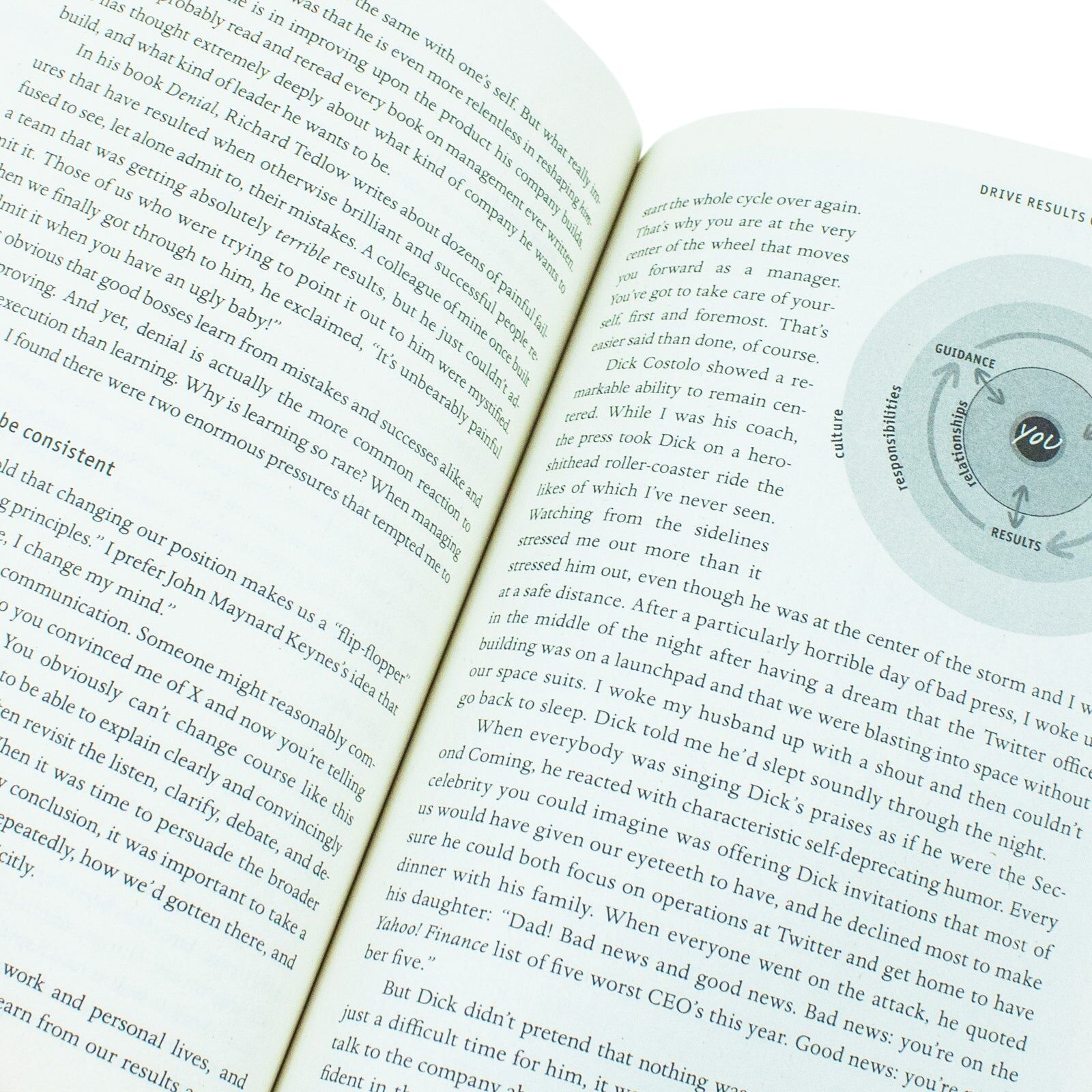
Pan Macmillan Radical Candor by Kim Scott The Bestselling Leadership Book - Management, Feedback & Workplace Culture BookRadical Candor by Kim Scott is a groundbreaking leadership and communication guide that teaches how to give feedback effectively, build trust, and create high-performing teams without becoming harsh—or avoiding difficult conversations. Based on Scott’s experience at Google, Apple and Silicon Valley startups, Radical Candor introduces a simple but powerful framework built on two pillars: Care Personally Challenge Directly The book provides practical tools for giving honest feedback, fostering open communication, strengthening working relationships, and becoming a more compassionate and impactful leader. Perfect for managers, team leaders, HR professionals, and anyone wanting to build a healthy, productive workplace culture. Radical Candor is the perfect handbook for those who are looking to find meaning in their job and create an environment where people love both their work and their colleagues, and are motivated to strive to ever greater success.2,99 £*Shipping: 1,99 £Secure redirect to the provider
-
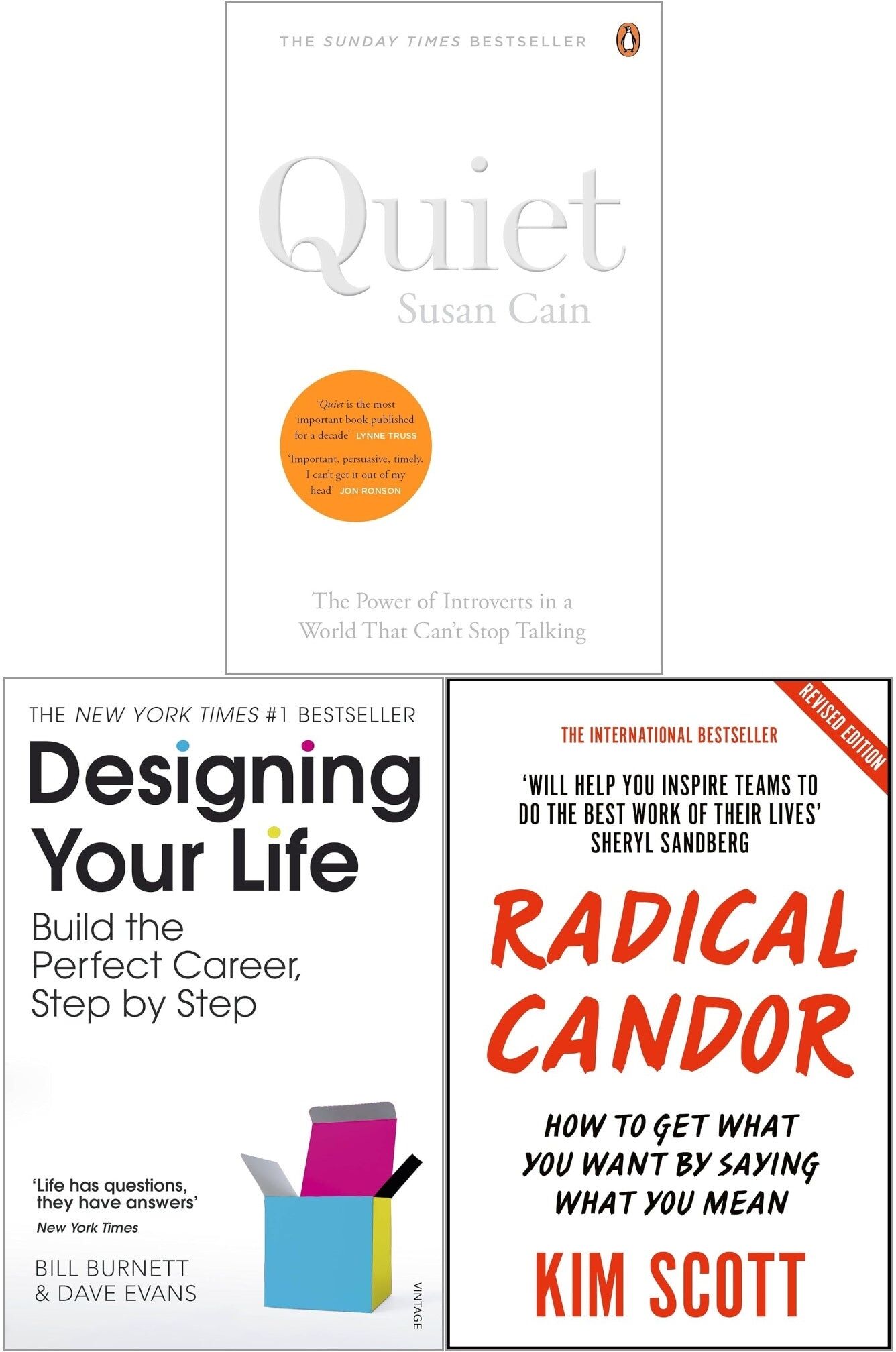
Penguin/Pan Macmillan Designing Your Life, Radical Candor and Quiet 3 Books Collection Set Personal Development, Leadership, Career Success & Self ImprovementDesigning Your Life, Radical Candor and Quiet 3 Books Collection Set Designing Your Life by Bill Burnett & Dave Evans Stanford innovators Bill Burnett and Dave Evans show us how design thinking can help us create a life that is both meaningful and fulfilling, regardless of who and where we are, our careers and our age. Designing Your Life puts forward the idea that the same design thinking responsible for amazing technology, products and spaces can be used to build towards a better life and career by a design of your own making. Radical Candor by Kim Scott Radical Candor by Kim Scott is a groundbreaking leadership and communication guide that teaches how to give feedback effectively, build trust, and create high-performing teams without becoming harsh—or avoiding difficult conversations. Based on Scott’s experience at Google, Apple and Silicon Valley startups, Radical Candor introduces a simple but powerful framework built on two pillars: Care Personally Challenge Directly The book provides practical tools for giving honest feedback, fostering open communication, strengthening working relationships, and becoming a more compassionate and impactful leader. Quiet by Susan Cain Quiet, the Sunday Times and New York Times Bestseller by Susan Cain, will permanently change how we see introverts - and how you see yourself. Our lives are driven by a fact most of us cant name and dont understand: whether were an introvert or an extrovert. This defines who our friends and lovers are, which careers we choose, and whether we blush when were embarrassed. At least a third of us are on the introverted side. Some of the worlds most talented people are introverts. Without them, we wouldnt have the Apple computer, the theory of relativity and Van Goghs sunflowers.16,99 £*Shipping: 2,99 £Secure redirect to the provider
-
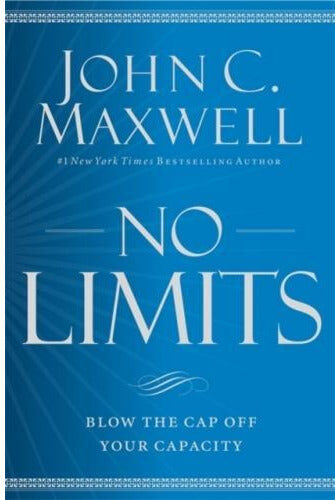
Little Brown Book Group No Limits: Blow the Cap Off Your Capacity by John C. Maxwell – Personal Growth & Leadership Development GuideNo Limits: Blow the CAP Off Your Capacity Description We often treat the word capacity as if it were a natural law of limitation. Unfortunately; most of us are much more comfortable defining what we perceive is off limits rather than what's possible. Could it be that many people have allowed what they perceive as capacity to define them? Have they allowed their perception to limit their attitudes about their potential? In his newest book; John Maxwell identifies 17 core capacities. Some of these are abilities we all already possess; such as energy; creativity and leadership. Others are aspects of our lives controlled by our choices; like our attitudes; character; and intentionality. Maxwell examines each of these 17 capacities; and provides clear and actionable advice on how you can increase your potential in each. He will guide you on how to identify; grow; and apply your critical capacities to your daily life. Once you've blown the 'cap' off your capacities; you'll find yourself more successful--and fulfilled--in your daily life.5,99 £*Shipping: 2,99 £Secure redirect to the provider

-
Is there an English allegory for this?
Yes, there is an English allegory that is similar to the story of the Chinese farmer. One example is the tale of "The Tortoise and the Hare" from Aesop's Fables. In this story, the slow and steady tortoise ultimately wins the race against the fast but overconfident hare, teaching a lesson about perseverance and humility. Both stories emphasize the importance of patience, resilience, and the unpredictable nature of life. **
-
What is the Allegory of the Cave?
The Allegory of the Cave is a philosophical concept presented by the ancient Greek philosopher Plato in his work "The Republic." In this allegory, Plato describes a group of people who have been imprisoned in a cave since birth, facing a wall where shadows are projected from objects behind them. The prisoners mistake these shadows for reality, until one of them is freed and sees the outside world. This allegory symbolizes the journey from ignorance to knowledge, highlighting the importance of critical thinking, questioning assumptions, and seeking truth beyond what is immediately apparent. **
-
What are the differences between parable and allegory?
A parable is a simple story used to illustrate a moral or spiritual lesson, often with a single, clear meaning. It typically features human characters and everyday situations. On the other hand, an allegory is a more complex narrative in which characters, events, and settings represent abstract ideas or moral qualities. Allegories often have multiple layers of meaning and can be interpreted in various ways. While both parables and allegories use storytelling to convey deeper meanings, the main difference lies in the level of complexity and the number of possible interpretations. **
-
What is the Allegory of the Cave 2?
The Allegory of the Cave 2 is a modern interpretation of the original Allegory of the Cave by Plato. It explores the concept of reality and perception in the context of modern society. In this allegory, individuals are depicted as being trapped in a cave, only able to see shadows on the wall, which they mistake for reality. The allegory serves as a metaphor for the way people are often limited by their own perspectives and beliefs, and how they may be resistant to accepting new ideas or truths. **


Is Plato's Allegory of the Cave inappropriate here?
No, Plato's Allegory of the Cave is not inappropriate here. The allegory can be a useful tool to help explain the concept of perception, reality, and enlightenment. By using the allegory, we can explore how our perceptions may be limited and how gaining new knowledge can lead to a deeper understanding of the world around us. It can be a thought-provoking way to encourage critical thinking and reflection on our own beliefs and perspectives. **
What is the difference between allegory and symbol?
Allegory and symbol are both literary devices used to convey deeper meanings in a text. However, the main difference between the two is that an allegory is a complete narrative that represents abstract ideas or moral qualities, while a symbol is a specific object, person, or event that represents something else. In other words, an allegory is a story with a hidden meaning, while a symbol is a single element that carries a deeper significance. Additionally, allegories often have a more complex and extended representation of abstract concepts, while symbols are more direct and specific in their representation. **
Top-Angebote
Products related to Allegory:
-
Sun Zero Allegory Abstract Blackout Grommet Curtain Panel, Single PanelFeatures: Abstract printed paint strokes make the perfect conversation piece Blackout technology blocks out most unwanted light while enhancing privacy Energy efficient design reduces energy lost through your windows by up to 25% Thermal properties...22,25 $*Shipping: 0,00 $Secure redirect to the provider
-
Perfect Picks Market Geometric Building Blocks Set For Kids Early Education Intelligence Development Toy Geometric Building Blocks Set For Kids Early Education Intelligence Development ToyUnlock your child's potential with this early education equipment designed to stimulate creativity and intelligence! This geometric set is the perfect building block toy for boys, helping to develop problemsolving skills while having fun. The...35,97 $*Shipping: 0,00 $Secure redirect to the provider
-
Pan Macmillan Radical Candor by Kim Scott The Bestselling Leadership Book - Management, Feedback & Workplace Culture BookRadical Candor by Kim Scott is a groundbreaking leadership and communication guide that teaches how to give feedback effectively, build trust, and create high-performing teams without becoming harsh—or avoiding difficult conversations. Based on Scott’s experience at Google, Apple and Silicon Valley startups, Radical Candor introduces a simple but powerful framework built on two pillars: Care Personally Challenge Directly The book provides practical tools for giving honest feedback, fostering open communication, strengthening working relationships, and becoming a more compassionate and impactful leader. Perfect for managers, team leaders, HR professionals, and anyone wanting to build a healthy, productive workplace culture. Radical Candor is the perfect handbook for those who are looking to find meaning in their job and create an environment where people love both their work and their colleagues, and are motivated to strive to ever greater success.2,99 £*Shipping: 1,99 £Secure redirect to the provider
-
What is an allegory?
An allegory is a literary device in which characters, events, and settings represent abstract ideas or moral qualities. It is a symbolic narrative that can be interpreted to reveal a hidden meaning or message. Allegories are often used to convey complex ideas or moral lessons in a more engaging and accessible way. **
-
What is Plato's Allegory of the Cave?
Plato's Allegory of the Cave is a philosophical metaphor used in his work "The Republic." In the allegory, Plato describes a group of people who have been imprisoned in a cave since birth, facing a wall where shadows are projected from a fire behind them. The prisoners believe these shadows to be the only reality they know. When one prisoner is freed and sees the outside world, he realizes the true nature of reality and the limitations of his previous understanding. The allegory is often interpreted as a representation of the journey from ignorance to enlightenment, highlighting the importance of critical thinking and questioning one's beliefs. **
-
Is there an English allegory for this?
Yes, there is an English allegory that is similar to the story of the Chinese farmer. One example is the tale of "The Tortoise and the Hare" from Aesop's Fables. In this story, the slow and steady tortoise ultimately wins the race against the fast but overconfident hare, teaching a lesson about perseverance and humility. Both stories emphasize the importance of patience, resilience, and the unpredictable nature of life. **
-
What is the Allegory of the Cave?
The Allegory of the Cave is a philosophical concept presented by the ancient Greek philosopher Plato in his work "The Republic." In this allegory, Plato describes a group of people who have been imprisoned in a cave since birth, facing a wall where shadows are projected from objects behind them. The prisoners mistake these shadows for reality, until one of them is freed and sees the outside world. This allegory symbolizes the journey from ignorance to knowledge, highlighting the importance of critical thinking, questioning assumptions, and seeking truth beyond what is immediately apparent. **
Similar search terms for Allegory
-
Penguin/Pan Macmillan Designing Your Life, Radical Candor and Quiet 3 Books Collection Set Personal Development, Leadership, Career Success & Self ImprovementDesigning Your Life, Radical Candor and Quiet 3 Books Collection Set Designing Your Life by Bill Burnett & Dave Evans Stanford innovators Bill Burnett and Dave Evans show us how design thinking can help us create a life that is both meaningful and fulfilling, regardless of who and where we are, our careers and our age. Designing Your Life puts forward the idea that the same design thinking responsible for amazing technology, products and spaces can be used to build towards a better life and career by a design of your own making. Radical Candor by Kim Scott Radical Candor by Kim Scott is a groundbreaking leadership and communication guide that teaches how to give feedback effectively, build trust, and create high-performing teams without becoming harsh—or avoiding difficult conversations. Based on Scott’s experience at Google, Apple and Silicon Valley startups, Radical Candor introduces a simple but powerful framework built on two pillars: Care Personally Challenge Directly The book provides practical tools for giving honest feedback, fostering open communication, strengthening working relationships, and becoming a more compassionate and impactful leader. Quiet by Susan Cain Quiet, the Sunday Times and New York Times Bestseller by Susan Cain, will permanently change how we see introverts - and how you see yourself. Our lives are driven by a fact most of us cant name and dont understand: whether were an introvert or an extrovert. This defines who our friends and lovers are, which careers we choose, and whether we blush when were embarrassed. At least a third of us are on the introverted side. Some of the worlds most talented people are introverts. Without them, we wouldnt have the Apple computer, the theory of relativity and Van Goghs sunflowers.16,99 £*Shipping: 2,99 £Secure redirect to the provider
-
Little Brown Book Group No Limits: Blow the Cap Off Your Capacity by John C. Maxwell – Personal Growth & Leadership Development GuideNo Limits: Blow the CAP Off Your Capacity Description We often treat the word capacity as if it were a natural law of limitation. Unfortunately; most of us are much more comfortable defining what we perceive is off limits rather than what's possible. Could it be that many people have allowed what they perceive as capacity to define them? Have they allowed their perception to limit their attitudes about their potential? In his newest book; John Maxwell identifies 17 core capacities. Some of these are abilities we all already possess; such as energy; creativity and leadership. Others are aspects of our lives controlled by our choices; like our attitudes; character; and intentionality. Maxwell examines each of these 17 capacities; and provides clear and actionable advice on how you can increase your potential in each. He will guide you on how to identify; grow; and apply your critical capacities to your daily life. Once you've blown the 'cap' off your capacities; you'll find yourself more successful--and fulfilled--in your daily life.5,99 £*Shipping: 2,99 £Secure redirect to the provider
-
Sun Zero Allegory Abstract Blackout Grommet Curtain Panel, Single PanelFeatures: Abstract printed paint strokes make the perfect conversation piece Blackout technology blocks out most unwanted light while enhancing privacy Energy efficient design reduces energy lost through your windows by up to 25% Thermal properties...21,99 $*Shipping: 0,00 $Secure redirect to the provider
-
What are the differences between parable and allegory?
A parable is a simple story used to illustrate a moral or spiritual lesson, often with a single, clear meaning. It typically features human characters and everyday situations. On the other hand, an allegory is a more complex narrative in which characters, events, and settings represent abstract ideas or moral qualities. Allegories often have multiple layers of meaning and can be interpreted in various ways. While both parables and allegories use storytelling to convey deeper meanings, the main difference lies in the level of complexity and the number of possible interpretations. **
-
What is the Allegory of the Cave 2?
The Allegory of the Cave 2 is a modern interpretation of the original Allegory of the Cave by Plato. It explores the concept of reality and perception in the context of modern society. In this allegory, individuals are depicted as being trapped in a cave, only able to see shadows on the wall, which they mistake for reality. The allegory serves as a metaphor for the way people are often limited by their own perspectives and beliefs, and how they may be resistant to accepting new ideas or truths. **
-
Is Plato's Allegory of the Cave inappropriate here?
No, Plato's Allegory of the Cave is not inappropriate here. The allegory can be a useful tool to help explain the concept of perception, reality, and enlightenment. By using the allegory, we can explore how our perceptions may be limited and how gaining new knowledge can lead to a deeper understanding of the world around us. It can be a thought-provoking way to encourage critical thinking and reflection on our own beliefs and perspectives. **
-
What is the difference between allegory and symbol?
Allegory and symbol are both literary devices used to convey deeper meanings in a text. However, the main difference between the two is that an allegory is a complete narrative that represents abstract ideas or moral qualities, while a symbol is a specific object, person, or event that represents something else. In other words, an allegory is a story with a hidden meaning, while a symbol is a single element that carries a deeper significance. Additionally, allegories often have a more complex and extended representation of abstract concepts, while symbols are more direct and specific in their representation. **
* All prices are inclusive of VAT and, if applicable, plus shipping costs. The offer information is based on the details provided by the respective shop and is updated through automated processes. Real-time updates do not occur, so deviations can occur in individual cases. ** Note: Parts of this content were created by AI.