Buy aefca.eu ?
We are moving the project
aefca.eu .
Are you interested in purchasing the domain
aefca.eu ?
domain@kv-gmbh.de · 0541-91531010
Buy aefca.eu ?
How do I become an anesthesiologist?
To become an anesthesiologist, you will need to complete a bachelor's degree, preferably in a science-related field, followed by medical school to earn a Doctor of Medicine (MD) or Doctor of Osteopathic Medicine (DO) degree. After medical school, you will need to complete a residency program in anesthesiology, which typically lasts four years. Finally, you will need to obtain a state medical license and pass the board certification exam in anesthesiology to practice as a licensed anesthesiologist. **
Is the profession of anesthesiologist interesting?
Yes, the profession of anesthesiologist is interesting as it involves a combination of medical knowledge, technical skills, and the ability to make quick decisions in high-pressure situations. Anesthesiologists play a crucial role in ensuring the safety and comfort of patients during surgical procedures, and they must stay up-to-date with the latest advancements in anesthesia techniques and medications. Additionally, anesthesiologists often work closely with other medical professionals, making the profession dynamic and collaborative. Overall, the field of anesthesiology offers a challenging and rewarding career for those interested in medicine and patient care. **

Similar search terms for Anesthesiologist
Top-Angebote
Products related to Anesthesiologist:
-
Various Publishers How to Talk to Anyone, Next Conversation & Psychology of Management - 3 Book Paperback Set - Communication, Leadership & Management PsychologyThis 3-book collection set brings together three practical, people-focused reads for anyone who wants to communicate better and lead more effectively. Leil Lowndes' classic 'How to Talk to Anyone' pairs with Jefferson Fisher's 'Next Conversation' and a foundational 'Psychology of Management' title to cover everyday conversation, conflict resolution, and workplace psychology in one bundle. Whether you are prepping for interviews, managing a team, or simply want to feel more confident in social situations, this paperback set offers accessible, actionable guidance you can start using immediately. The set includes 'How to Talk to Anyone' by Leil Lowndes, 'Next Conversation' by Jefferson Fisher, and 'Psychology of Management'.20,99 £*Shipping: 2,99 £Secure redirect to the provider
-
Pan Macmillan Radical Candor by Kim Scott The Bestselling Leadership Book - Management, Feedback & Workplace Culture BookRadical Candor by Kim Scott is a groundbreaking leadership and communication guide that teaches how to give feedback effectively, build trust, and create high-performing teams without becoming harsh—or avoiding difficult conversations. Based on Scott’s experience at Google, Apple and Silicon Valley startups, Radical Candor introduces a simple but powerful framework built on two pillars: Care Personally Challenge Directly The book provides practical tools for giving honest feedback, fostering open communication, strengthening working relationships, and becoming a more compassionate and impactful leader. Perfect for managers, team leaders, HR professionals, and anyone wanting to build a healthy, productive workplace culture. Radical Candor is the perfect handbook for those who are looking to find meaning in their job and create an environment where people love both their work and their colleagues, and are motivated to strive to ever greater success.2,99 £*Shipping: 1,99 £Secure redirect to the provider
-
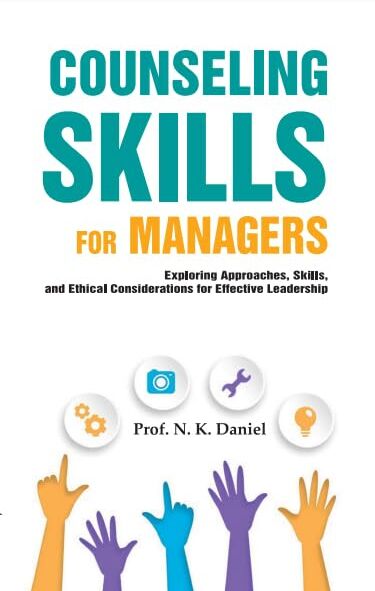
The Readers Paradise Counseling Skills For Managers by Prof. N.K. Daniel - Paperback - Leadership, Coaching & Workplace Ethics Guide for Managers and HR ProfessionalsCounseling Skills For Managers is a practical guide that helps leaders develop essential counseling skills for the workplace. Written for managers, team leads, HR professionals, and aspiring executives, it covers foundational counseling theory and its strategic application in corporate settings. The book teaches readers how to listen with empathy, structure coaching conversations, resolve role conflicts, and support colleagues through change and difficulty, all while maintaining clear ethical boundaries. This guide is a valuable addition to any professional development or leadership library, offering a unique blend of psychology and management principles in an accessible format.2,99 £*Shipping: 2,99 £Secure redirect to the provider
-
Saltfjord Strategic Board Game by Aporta Games, Dice Drafting, Village Development, and Resource ManagementBuild a fishing village in northern Norway with Saltfjord, a strategic board game set at the end of the 19th century. Players develop their own settlement while making careful decisions about resources, buildings, trade, and technology. Use dice drafting to determine the actions available to you, then send your boat out to gather fish and expand the prosperity of your village. Construct new buildings, improve your capabilities, and discover technologies that can make everyday life more efficient. The game draws inspiration from the dice-drafting mechanisms of Santa Maria, while introducing its own setting, systems, and expanded gameplay. Each decision contributes to the direction of your settlement, giving players several ways to pursue success.43,89 £*Shipping: 1,99 £Secure redirect to the provider



-
What skills are required for an anesthesiologist?
Anesthesiologists need a strong foundation in medical knowledge, including pharmacology, physiology, and anatomy. They must have excellent critical thinking and problem-solving skills to make quick decisions in high-pressure situations. Communication skills are also crucial as they need to effectively communicate with patients, surgical teams, and other healthcare professionals. Attention to detail, manual dexterity, and the ability to stay calm under stress are also important skills for an anesthesiologist. **
-
How long does it take to become an anesthesiologist?
Becoming an anesthesiologist typically takes around 12 years of education and training after high school. This includes 4 years of undergraduate study, 4 years of medical school, and 4 years of residency training in anesthesiology. Some anesthesiologists may also choose to pursue additional fellowship training in a specialized area of anesthesiology, which can add 1-2 more years to the process. Overall, the path to becoming an anesthesiologist is a long and rigorous one, but it ultimately leads to a rewarding and fulfilling career in medicine. **
-
What did the anesthesiologist give me before the actual general anesthesia?
Before the actual general anesthesia, the anesthesiologist likely gave you a pre-anesthetic medication to help you relax and reduce anxiety. This medication may have been administered through an IV or as a pill. The purpose of this pre-anesthetic medication is to make the induction of general anesthesia smoother and to help you feel more comfortable before the procedure. It may also have some pain-relieving properties to help manage any discomfort during the transition to general anesthesia. **
-
Does the anesthesiologist regularly monitor the depth of anesthesia during the surgery?
Yes, the anesthesiologist regularly monitors the depth of anesthesia during surgery to ensure the patient remains at an appropriate level of unconsciousness. This is typically done using a combination of clinical assessment, monitoring of vital signs, and specialized equipment such as anesthetic gas analyzers and depth of anesthesia monitors. By closely monitoring the depth of anesthesia, the anesthesiologist can make adjustments to the anesthesia delivery to ensure the patient's safety and comfort throughout the procedure. **

How much does an anesthesiologist earn and how many hours does he work?
An anesthesiologist in the United States earns an average annual salary of around $270,000, according to the Bureau of Labor Statistics. Anesthesiologists typically work long and irregular hours, often exceeding 40 hours per week. They may be required to work nights, weekends, and holidays, and may also be on call for emergencies. The demanding nature of the job and the extensive education and training required contribute to the high salary and long hours of work for anesthesiologists. **
Should one rather turn to an anesthesiologist or an intensive care nurse in case of emergency?
In case of an emergency, it is generally recommended to turn to an anesthesiologist as they are specialized in administering anesthesia and managing pain during surgical procedures. An anesthesiologist is trained to handle critical situations and can provide immediate medical intervention if needed. However, an intensive care nurse also plays a crucial role in monitoring and caring for critically ill patients, so they can also provide valuable support in emergency situations. Ultimately, the decision may depend on the specific needs of the situation and the availability of medical professionals. **
Top-Angebote
Products related to Anesthesiologist:
-
Perfect Picks Market Geometric Building Blocks Set For Kids Early Education Intelligence Development Toy Geometric Building Blocks Set For Kids Early Education Intelligence Development ToyUnlock your child's potential with this early education equipment designed to stimulate creativity and intelligence! This geometric set is the perfect building block toy for boys, helping to develop problemsolving skills while having fun. The...35,97 $*Shipping: 0,00 $Secure redirect to the provider
-
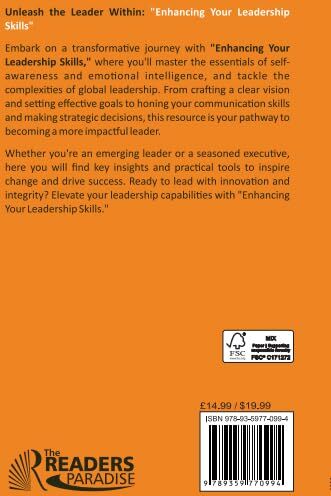
The Readers Paradise Enhancing Your Leadership Skills: A Practical Handbook for Success by Prof. V.K.Simon - Non Fiction Paperback - Leadership & Professional DevelopmentEnhance your leadership skills with this practical handbook by Prof. V.K.Simon. Written for anyone looking to lead with confidence and clarity, it blends self-awareness, emotional intelligence, and real-world strategy to help you achieve success. Whether you're a first-time manager or a seasoned executive, this compact guide delivers tools to strengthen decision-making, communication, and team impact in a fast-changing global workplace. It's built around the idea that great leadership is learned through practice, not theory alone, and covers the core competencies every effective leader needs, starting with self-awareness and emotional intelligence.2,99 £*Shipping: 2,99 £Secure redirect to the provider
-
Various Publishers How to Talk to Anyone, Next Conversation & Psychology of Management - 3 Book Paperback Set - Communication, Leadership & Management PsychologyThis 3-book collection set brings together three practical, people-focused reads for anyone who wants to communicate better and lead more effectively. Leil Lowndes' classic 'How to Talk to Anyone' pairs with Jefferson Fisher's 'Next Conversation' and a foundational 'Psychology of Management' title to cover everyday conversation, conflict resolution, and workplace psychology in one bundle. Whether you are prepping for interviews, managing a team, or simply want to feel more confident in social situations, this paperback set offers accessible, actionable guidance you can start using immediately. The set includes 'How to Talk to Anyone' by Leil Lowndes, 'Next Conversation' by Jefferson Fisher, and 'Psychology of Management'.20,99 £*Shipping: 2,99 £Secure redirect to the provider
-
Pan Macmillan Radical Candor by Kim Scott The Bestselling Leadership Book - Management, Feedback & Workplace Culture BookRadical Candor by Kim Scott is a groundbreaking leadership and communication guide that teaches how to give feedback effectively, build trust, and create high-performing teams without becoming harsh—or avoiding difficult conversations. Based on Scott’s experience at Google, Apple and Silicon Valley startups, Radical Candor introduces a simple but powerful framework built on two pillars: Care Personally Challenge Directly The book provides practical tools for giving honest feedback, fostering open communication, strengthening working relationships, and becoming a more compassionate and impactful leader. Perfect for managers, team leaders, HR professionals, and anyone wanting to build a healthy, productive workplace culture. Radical Candor is the perfect handbook for those who are looking to find meaning in their job and create an environment where people love both their work and their colleagues, and are motivated to strive to ever greater success.2,99 £*Shipping: 1,99 £Secure redirect to the provider
-
How do I become an anesthesiologist?
To become an anesthesiologist, you will need to complete a bachelor's degree, preferably in a science-related field, followed by medical school to earn a Doctor of Medicine (MD) or Doctor of Osteopathic Medicine (DO) degree. After medical school, you will need to complete a residency program in anesthesiology, which typically lasts four years. Finally, you will need to obtain a state medical license and pass the board certification exam in anesthesiology to practice as a licensed anesthesiologist. **
-
Is the profession of anesthesiologist interesting?
Yes, the profession of anesthesiologist is interesting as it involves a combination of medical knowledge, technical skills, and the ability to make quick decisions in high-pressure situations. Anesthesiologists play a crucial role in ensuring the safety and comfort of patients during surgical procedures, and they must stay up-to-date with the latest advancements in anesthesia techniques and medications. Additionally, anesthesiologists often work closely with other medical professionals, making the profession dynamic and collaborative. Overall, the field of anesthesiology offers a challenging and rewarding career for those interested in medicine and patient care. **
-
What skills are required for an anesthesiologist?
Anesthesiologists need a strong foundation in medical knowledge, including pharmacology, physiology, and anatomy. They must have excellent critical thinking and problem-solving skills to make quick decisions in high-pressure situations. Communication skills are also crucial as they need to effectively communicate with patients, surgical teams, and other healthcare professionals. Attention to detail, manual dexterity, and the ability to stay calm under stress are also important skills for an anesthesiologist. **
-
How long does it take to become an anesthesiologist?
Becoming an anesthesiologist typically takes around 12 years of education and training after high school. This includes 4 years of undergraduate study, 4 years of medical school, and 4 years of residency training in anesthesiology. Some anesthesiologists may also choose to pursue additional fellowship training in a specialized area of anesthesiology, which can add 1-2 more years to the process. Overall, the path to becoming an anesthesiologist is a long and rigorous one, but it ultimately leads to a rewarding and fulfilling career in medicine. **
Similar search terms for Anesthesiologist
-
The Readers Paradise Counseling Skills For Managers by Prof. N.K. Daniel - Paperback - Leadership, Coaching & Workplace Ethics Guide for Managers and HR ProfessionalsCounseling Skills For Managers is a practical guide that helps leaders develop essential counseling skills for the workplace. Written for managers, team leads, HR professionals, and aspiring executives, it covers foundational counseling theory and its strategic application in corporate settings. The book teaches readers how to listen with empathy, structure coaching conversations, resolve role conflicts, and support colleagues through change and difficulty, all while maintaining clear ethical boundaries. This guide is a valuable addition to any professional development or leadership library, offering a unique blend of psychology and management principles in an accessible format.2,99 £*Shipping: 2,99 £Secure redirect to the provider
-
Saltfjord Strategic Board Game by Aporta Games, Dice Drafting, Village Development, and Resource ManagementBuild a fishing village in northern Norway with Saltfjord, a strategic board game set at the end of the 19th century. Players develop their own settlement while making careful decisions about resources, buildings, trade, and technology. Use dice drafting to determine the actions available to you, then send your boat out to gather fish and expand the prosperity of your village. Construct new buildings, improve your capabilities, and discover technologies that can make everyday life more efficient. The game draws inspiration from the dice-drafting mechanisms of Santa Maria, while introducing its own setting, systems, and expanded gameplay. Each decision contributes to the direction of your settlement, giving players several ways to pursue success.43,89 £*Shipping: 1,99 £Secure redirect to the provider
-
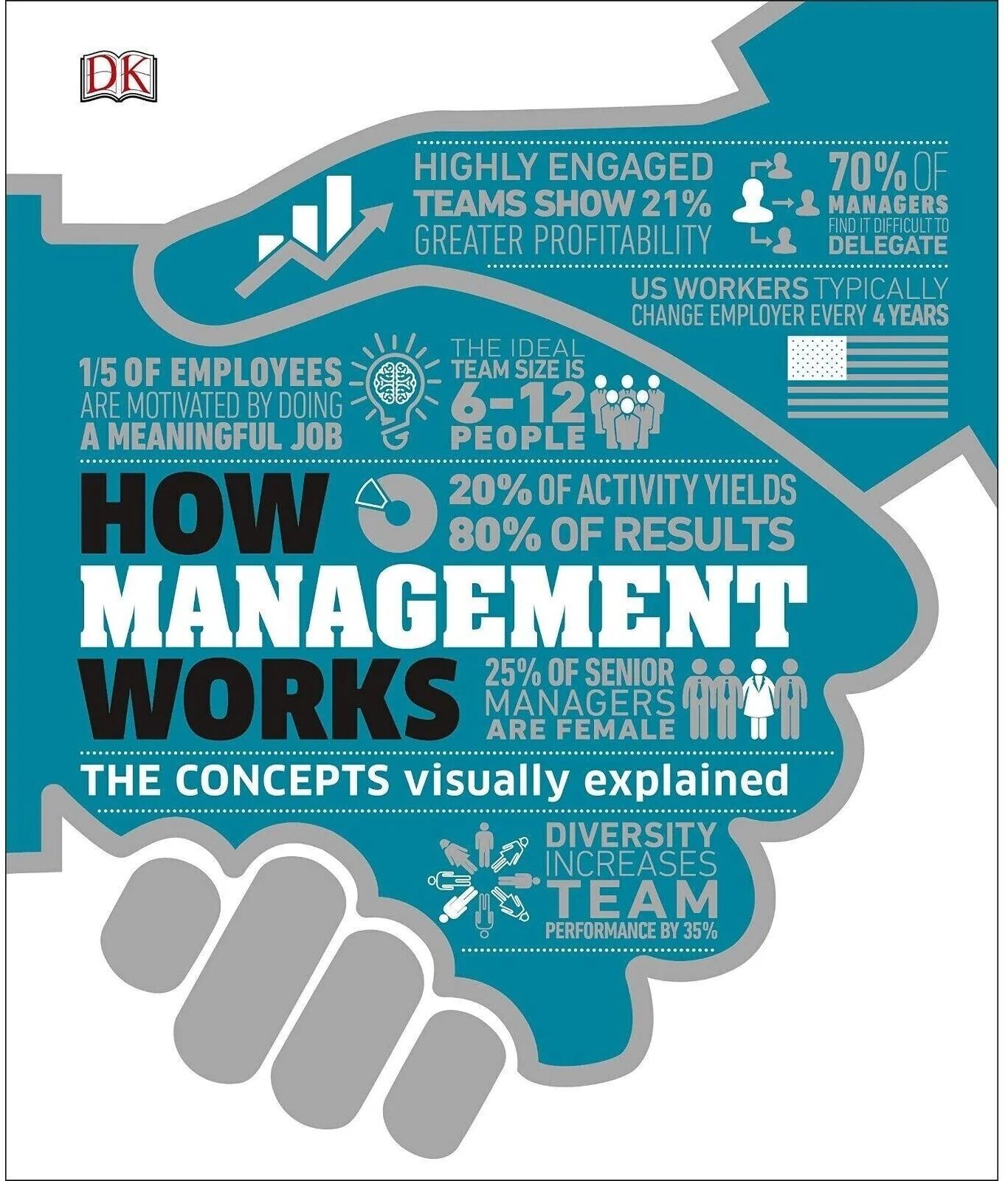
How Management Works: Concepts Visually Explained by DK - Hardback Non Fiction Business & Leadership Visual Guide for ManagersA definitive guide to modern management, 'How Management Works: Concepts Visually Explained' by DK offers clear explanations and bold diagrams to help you understand leadership, communication, strategy, team dynamics, and decision-making. This hardback book is ideal for new and experienced managers, business students, and anyone looking for a practical reference on effective team management. Published by DK as part of their 'How Things Work' visual series, it distills complex management theory into accessible guidance that you can apply immediately.13,49 £*Shipping: 2,99 £Secure redirect to the provider
-
What did the anesthesiologist give me before the actual general anesthesia?
Before the actual general anesthesia, the anesthesiologist likely gave you a pre-anesthetic medication to help you relax and reduce anxiety. This medication may have been administered through an IV or as a pill. The purpose of this pre-anesthetic medication is to make the induction of general anesthesia smoother and to help you feel more comfortable before the procedure. It may also have some pain-relieving properties to help manage any discomfort during the transition to general anesthesia. **
-
Does the anesthesiologist regularly monitor the depth of anesthesia during the surgery?
Yes, the anesthesiologist regularly monitors the depth of anesthesia during surgery to ensure the patient remains at an appropriate level of unconsciousness. This is typically done using a combination of clinical assessment, monitoring of vital signs, and specialized equipment such as anesthetic gas analyzers and depth of anesthesia monitors. By closely monitoring the depth of anesthesia, the anesthesiologist can make adjustments to the anesthesia delivery to ensure the patient's safety and comfort throughout the procedure. **
-
How much does an anesthesiologist earn and how many hours does he work?
An anesthesiologist in the United States earns an average annual salary of around $270,000, according to the Bureau of Labor Statistics. Anesthesiologists typically work long and irregular hours, often exceeding 40 hours per week. They may be required to work nights, weekends, and holidays, and may also be on call for emergencies. The demanding nature of the job and the extensive education and training required contribute to the high salary and long hours of work for anesthesiologists. **
-
Should one rather turn to an anesthesiologist or an intensive care nurse in case of emergency?
In case of an emergency, it is generally recommended to turn to an anesthesiologist as they are specialized in administering anesthesia and managing pain during surgical procedures. An anesthesiologist is trained to handle critical situations and can provide immediate medical intervention if needed. However, an intensive care nurse also plays a crucial role in monitoring and caring for critically ill patients, so they can also provide valuable support in emergency situations. Ultimately, the decision may depend on the specific needs of the situation and the availability of medical professionals. **
* All prices are inclusive of VAT and, if applicable, plus shipping costs. The offer information is based on the details provided by the respective shop and is updated through automated processes. Real-time updates do not occur, so deviations can occur in individual cases. ** Note: Parts of this content were created by AI.