Buy aefca.eu ?
We are moving the project
aefca.eu .
Are you interested in purchasing the domain
aefca.eu ?
domain@kv-gmbh.de · 0541-91531010
Buy aefca.eu ?
Will archaeologists?
Will archaeologists continue to uncover new discoveries and expand our understanding of ancient civilizations? Yes, archaeologists will likely continue to make new discoveries as technology advances and more sites are explored. By studying these findings, archaeologists can provide valuable insights into the past and help us piece together the puzzle of human history. Their work is crucial in preserving and interpreting our cultural heritage for future generations. **
What tools do archaeologists use?
Archaeologists use a variety of tools to excavate, analyze, and interpret artifacts and sites. Some common tools include trowels for digging, brushes for delicate cleaning, sieves for sifting through soil, and measuring tapes for mapping out the site. They also use technology such as ground-penetrating radar, 3D scanners, and drones to aid in their research and documentation. Additionally, archaeologists may use laboratory equipment like microscopes, X-ray machines, and carbon dating techniques to analyze and date artifacts. **

Similar search terms for Archaeologists
Top-Angebote
Products related to Archaeologists:
-
Various Publishers How to Talk to Anyone, Next Conversation & Psychology of Management - 3 Book Paperback Set - Communication, Leadership & Management PsychologyThis 3-book collection set brings together three practical, people-focused reads for anyone who wants to communicate better and lead more effectively. Leil Lowndes' classic 'How to Talk to Anyone' pairs with Jefferson Fisher's 'Next Conversation' and a foundational 'Psychology of Management' title to cover everyday conversation, conflict resolution, and workplace psychology in one bundle. Whether you are prepping for interviews, managing a team, or simply want to feel more confident in social situations, this paperback set offers accessible, actionable guidance you can start using immediately. The set includes 'How to Talk to Anyone' by Leil Lowndes, 'Next Conversation' by Jefferson Fisher, and 'Psychology of Management'.20,99 £*Shipping: 2,99 £Secure redirect to the provider
-
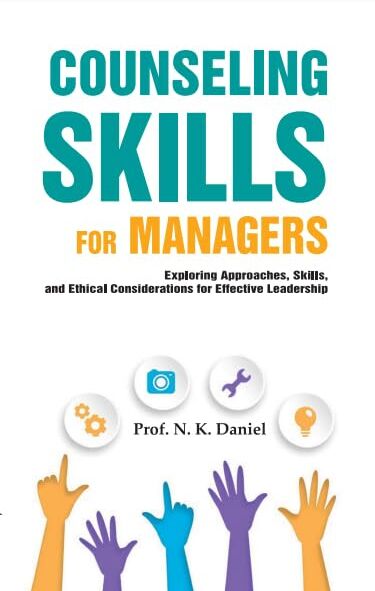
The Readers Paradise Counseling Skills For Managers by Prof. N.K. Daniel - Paperback - Leadership, Coaching & Workplace Ethics Guide for Managers and HR ProfessionalsCounseling Skills For Managers is a practical guide that helps leaders develop essential counseling skills for the workplace. Written for managers, team leads, HR professionals, and aspiring executives, it covers foundational counseling theory and its strategic application in corporate settings. The book teaches readers how to listen with empathy, structure coaching conversations, resolve role conflicts, and support colleagues through change and difficulty, all while maintaining clear ethical boundaries. This guide is a valuable addition to any professional development or leadership library, offering a unique blend of psychology and management principles in an accessible format.2,99 £*Shipping: 2,99 £Secure redirect to the provider
-
Pan Macmillan Radical Candor by Kim Scott The Bestselling Leadership Book - Management, Feedback & Workplace Culture BookRadical Candor by Kim Scott is a groundbreaking leadership and communication guide that teaches how to give feedback effectively, build trust, and create high-performing teams without becoming harsh—or avoiding difficult conversations. Based on Scott’s experience at Google, Apple and Silicon Valley startups, Radical Candor introduces a simple but powerful framework built on two pillars: Care Personally Challenge Directly The book provides practical tools for giving honest feedback, fostering open communication, strengthening working relationships, and becoming a more compassionate and impactful leader. Perfect for managers, team leaders, HR professionals, and anyone wanting to build a healthy, productive workplace culture. Radical Candor is the perfect handbook for those who are looking to find meaning in their job and create an environment where people love both their work and their colleagues, and are motivated to strive to ever greater success.2,99 £*Shipping: 1,99 £Secure redirect to the provider
-
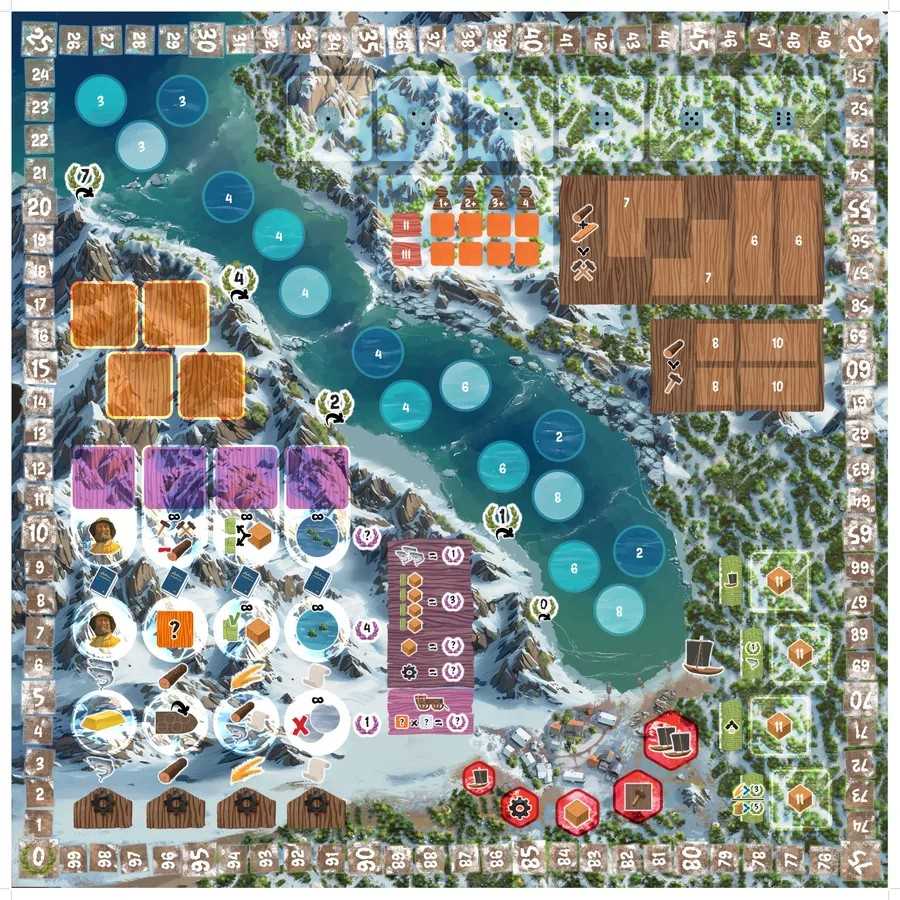
Saltfjord Strategic Board Game by Aporta Games, Dice Drafting, Village Development, and Resource ManagementBuild a fishing village in northern Norway with Saltfjord, a strategic board game set at the end of the 19th century. Players develop their own settlement while making careful decisions about resources, buildings, trade, and technology. Use dice drafting to determine the actions available to you, then send your boat out to gather fish and expand the prosperity of your village. Construct new buildings, improve your capabilities, and discover technologies that can make everyday life more efficient. The game draws inspiration from the dice-drafting mechanisms of Santa Maria, while introducing its own setting, systems, and expanded gameplay. Each decision contributes to the direction of your settlement, giving players several ways to pursue success.43,89 £*Shipping: 1,99 £Secure redirect to the provider


-
Which tools do archaeologists use?
Archaeologists use a variety of tools to excavate, analyze, and interpret artifacts and sites. Some common tools include trowels for digging, brushes for delicate cleaning, measuring tapes and levels for mapping, and sifters for sorting through soil. They also use technology such as ground-penetrating radar, drones, and 3D scanners to aid in their research and documentation. Additionally, laboratory equipment like microscopes, X-ray machines, and carbon dating techniques are used to analyze and date artifacts. **
-
Do archaeologists count as historians?
Archaeologists and historians both study the past, but they do so in different ways. Historians primarily rely on written records and documents to understand and interpret historical events, while archaeologists study material remains such as artifacts, structures, and human remains to reconstruct and understand past societies. While archaeologists do contribute to our understanding of history, they are not typically considered historians in the traditional sense. However, their work often complements and enriches the historical record, providing valuable insights into the lives and cultures of past societies. **
-
What specialization do archaeologists specialize in?
Archaeologists specialize in the study of human history and prehistory through the excavation and analysis of artifacts, structures, and other physical remains. They may focus on specific time periods, regions, or cultures, such as ancient Egypt, the Roman Empire, or pre-Columbian America. Some archaeologists also specialize in specific methods of analysis, such as DNA testing or remote sensing technology. Overall, archaeologists work to uncover and interpret the material culture of past societies in order to understand human behavior and development over time. **
-
From when are grave robbers considered archaeologists?
Grave robbers are considered archaeologists when they follow ethical guidelines and scientific methods in their excavation of burial sites. This includes obtaining proper permits, documenting their findings, and preserving artifacts for study and public education. Archaeologists are trained professionals who work within legal and ethical frameworks to uncover and interpret the past, while grave robbers engage in illegal and destructive activities for personal gain. The distinction between the two lies in their approach to excavation and their commitment to preserving cultural heritage. **

How many languages do archaeologists typically learn?
Archaeologists typically learn multiple languages in order to conduct their research effectively. The exact number of languages can vary depending on the region and time period they are studying, but it is common for archaeologists to be proficient in at least two or three languages relevant to their area of focus. This may include ancient languages, modern languages spoken in the region, and academic languages used in the field of archaeology. Overall, the ability to understand and communicate in multiple languages is an important skill for archaeologists to have in order to access and interpret a wide range of sources and materials. **
What are the job prospects for archaeologists like?
Job prospects for archaeologists can vary depending on factors such as location, experience, and specialization. Overall, the job market for archaeologists is competitive, with a limited number of positions available in academia, government agencies, museums, and cultural resource management firms. Those with advanced degrees and field experience may have better job prospects, especially in areas with high demand for archaeological research and preservation. Networking, gaining practical skills, and staying current with developments in the field can also improve job opportunities for archaeologists. **
Top-Angebote
Products related to Archaeologists:
-
Perfect Picks Market Geometric Building Blocks Set For Kids Early Education Intelligence Development Toy Geometric Building Blocks Set For Kids Early Education Intelligence Development ToyUnlock your child's potential with this early education equipment designed to stimulate creativity and intelligence! This geometric set is the perfect building block toy for boys, helping to develop problemsolving skills while having fun. The...35,97 $*Shipping: 0,00 $Secure redirect to the provider
-
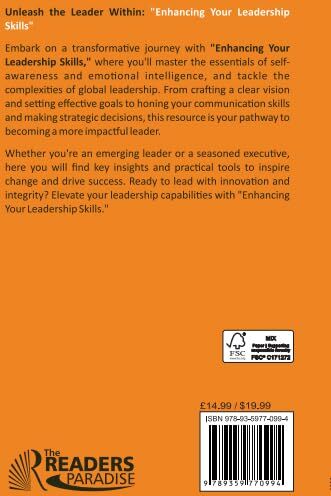
The Readers Paradise Enhancing Your Leadership Skills: A Practical Handbook for Success by Prof. V.K.Simon - Non Fiction Paperback - Leadership & Professional DevelopmentEnhance your leadership skills with this practical handbook by Prof. V.K.Simon. Written for anyone looking to lead with confidence and clarity, it blends self-awareness, emotional intelligence, and real-world strategy to help you achieve success. Whether you're a first-time manager or a seasoned executive, this compact guide delivers tools to strengthen decision-making, communication, and team impact in a fast-changing global workplace. It's built around the idea that great leadership is learned through practice, not theory alone, and covers the core competencies every effective leader needs, starting with self-awareness and emotional intelligence.2,99 £*Shipping: 2,99 £Secure redirect to the provider
-
Various Publishers How to Talk to Anyone, Next Conversation & Psychology of Management - 3 Book Paperback Set - Communication, Leadership & Management PsychologyThis 3-book collection set brings together three practical, people-focused reads for anyone who wants to communicate better and lead more effectively. Leil Lowndes' classic 'How to Talk to Anyone' pairs with Jefferson Fisher's 'Next Conversation' and a foundational 'Psychology of Management' title to cover everyday conversation, conflict resolution, and workplace psychology in one bundle. Whether you are prepping for interviews, managing a team, or simply want to feel more confident in social situations, this paperback set offers accessible, actionable guidance you can start using immediately. The set includes 'How to Talk to Anyone' by Leil Lowndes, 'Next Conversation' by Jefferson Fisher, and 'Psychology of Management'.20,99 £*Shipping: 2,99 £Secure redirect to the provider
-
The Readers Paradise Counseling Skills For Managers by Prof. N.K. Daniel - Paperback - Leadership, Coaching & Workplace Ethics Guide for Managers and HR ProfessionalsCounseling Skills For Managers is a practical guide that helps leaders develop essential counseling skills for the workplace. Written for managers, team leads, HR professionals, and aspiring executives, it covers foundational counseling theory and its strategic application in corporate settings. The book teaches readers how to listen with empathy, structure coaching conversations, resolve role conflicts, and support colleagues through change and difficulty, all while maintaining clear ethical boundaries. This guide is a valuable addition to any professional development or leadership library, offering a unique blend of psychology and management principles in an accessible format.2,99 £*Shipping: 2,99 £Secure redirect to the provider
-
Will archaeologists?
Will archaeologists continue to uncover new discoveries and expand our understanding of ancient civilizations? Yes, archaeologists will likely continue to make new discoveries as technology advances and more sites are explored. By studying these findings, archaeologists can provide valuable insights into the past and help us piece together the puzzle of human history. Their work is crucial in preserving and interpreting our cultural heritage for future generations. **
-
What tools do archaeologists use?
Archaeologists use a variety of tools to excavate, analyze, and interpret artifacts and sites. Some common tools include trowels for digging, brushes for delicate cleaning, sieves for sifting through soil, and measuring tapes for mapping out the site. They also use technology such as ground-penetrating radar, 3D scanners, and drones to aid in their research and documentation. Additionally, archaeologists may use laboratory equipment like microscopes, X-ray machines, and carbon dating techniques to analyze and date artifacts. **
-
Which tools do archaeologists use?
Archaeologists use a variety of tools to excavate, analyze, and interpret artifacts and sites. Some common tools include trowels for digging, brushes for delicate cleaning, measuring tapes and levels for mapping, and sifters for sorting through soil. They also use technology such as ground-penetrating radar, drones, and 3D scanners to aid in their research and documentation. Additionally, laboratory equipment like microscopes, X-ray machines, and carbon dating techniques are used to analyze and date artifacts. **
-
Do archaeologists count as historians?
Archaeologists and historians both study the past, but they do so in different ways. Historians primarily rely on written records and documents to understand and interpret historical events, while archaeologists study material remains such as artifacts, structures, and human remains to reconstruct and understand past societies. While archaeologists do contribute to our understanding of history, they are not typically considered historians in the traditional sense. However, their work often complements and enriches the historical record, providing valuable insights into the lives and cultures of past societies. **
Similar search terms for Archaeologists
-
Pan Macmillan Radical Candor by Kim Scott The Bestselling Leadership Book - Management, Feedback & Workplace Culture BookRadical Candor by Kim Scott is a groundbreaking leadership and communication guide that teaches how to give feedback effectively, build trust, and create high-performing teams without becoming harsh—or avoiding difficult conversations. Based on Scott’s experience at Google, Apple and Silicon Valley startups, Radical Candor introduces a simple but powerful framework built on two pillars: Care Personally Challenge Directly The book provides practical tools for giving honest feedback, fostering open communication, strengthening working relationships, and becoming a more compassionate and impactful leader. Perfect for managers, team leaders, HR professionals, and anyone wanting to build a healthy, productive workplace culture. Radical Candor is the perfect handbook for those who are looking to find meaning in their job and create an environment where people love both their work and their colleagues, and are motivated to strive to ever greater success.2,99 £*Shipping: 1,99 £Secure redirect to the provider
-
Saltfjord Strategic Board Game by Aporta Games, Dice Drafting, Village Development, and Resource ManagementBuild a fishing village in northern Norway with Saltfjord, a strategic board game set at the end of the 19th century. Players develop their own settlement while making careful decisions about resources, buildings, trade, and technology. Use dice drafting to determine the actions available to you, then send your boat out to gather fish and expand the prosperity of your village. Construct new buildings, improve your capabilities, and discover technologies that can make everyday life more efficient. The game draws inspiration from the dice-drafting mechanisms of Santa Maria, while introducing its own setting, systems, and expanded gameplay. Each decision contributes to the direction of your settlement, giving players several ways to pursue success.43,89 £*Shipping: 1,99 £Secure redirect to the provider
-
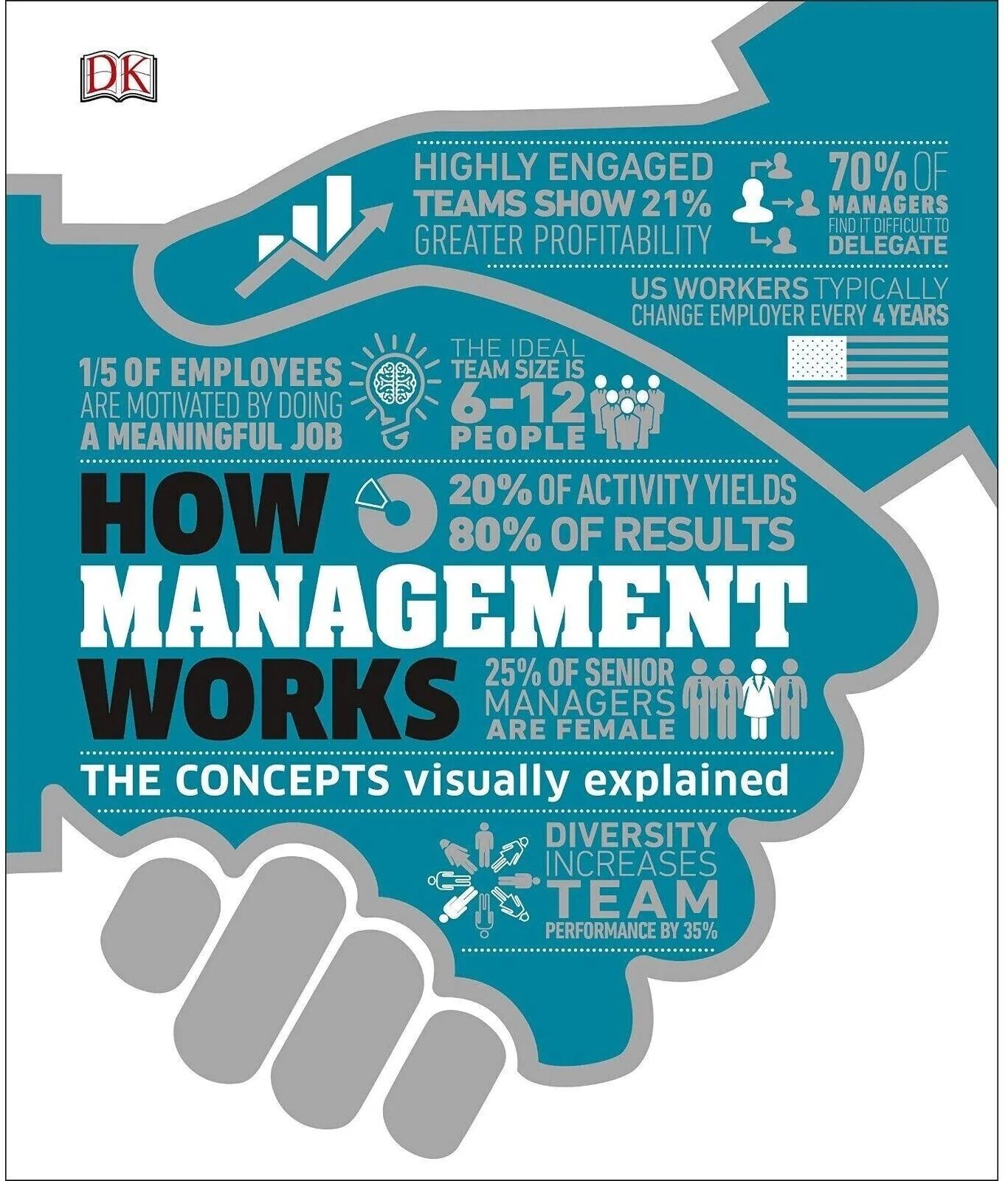
How Management Works: Concepts Visually Explained by DK - Hardback Non Fiction Business & Leadership Visual Guide for ManagersA definitive guide to modern management, 'How Management Works: Concepts Visually Explained' by DK offers clear explanations and bold diagrams to help you understand leadership, communication, strategy, team dynamics, and decision-making. This hardback book is ideal for new and experienced managers, business students, and anyone looking for a practical reference on effective team management. Published by DK as part of their 'How Things Work' visual series, it distills complex management theory into accessible guidance that you can apply immediately.13,49 £*Shipping: 2,99 £Secure redirect to the provider
-
What specialization do archaeologists specialize in?
Archaeologists specialize in the study of human history and prehistory through the excavation and analysis of artifacts, structures, and other physical remains. They may focus on specific time periods, regions, or cultures, such as ancient Egypt, the Roman Empire, or pre-Columbian America. Some archaeologists also specialize in specific methods of analysis, such as DNA testing or remote sensing technology. Overall, archaeologists work to uncover and interpret the material culture of past societies in order to understand human behavior and development over time. **
-
From when are grave robbers considered archaeologists?
Grave robbers are considered archaeologists when they follow ethical guidelines and scientific methods in their excavation of burial sites. This includes obtaining proper permits, documenting their findings, and preserving artifacts for study and public education. Archaeologists are trained professionals who work within legal and ethical frameworks to uncover and interpret the past, while grave robbers engage in illegal and destructive activities for personal gain. The distinction between the two lies in their approach to excavation and their commitment to preserving cultural heritage. **
-
How many languages do archaeologists typically learn?
Archaeologists typically learn multiple languages in order to conduct their research effectively. The exact number of languages can vary depending on the region and time period they are studying, but it is common for archaeologists to be proficient in at least two or three languages relevant to their area of focus. This may include ancient languages, modern languages spoken in the region, and academic languages used in the field of archaeology. Overall, the ability to understand and communicate in multiple languages is an important skill for archaeologists to have in order to access and interpret a wide range of sources and materials. **
-
What are the job prospects for archaeologists like?
Job prospects for archaeologists can vary depending on factors such as location, experience, and specialization. Overall, the job market for archaeologists is competitive, with a limited number of positions available in academia, government agencies, museums, and cultural resource management firms. Those with advanced degrees and field experience may have better job prospects, especially in areas with high demand for archaeological research and preservation. Networking, gaining practical skills, and staying current with developments in the field can also improve job opportunities for archaeologists. **
* All prices are inclusive of VAT and, if applicable, plus shipping costs. The offer information is based on the details provided by the respective shop and is updated through automated processes. Real-time updates do not occur, so deviations can occur in individual cases. ** Note: Parts of this content were created by AI.