Buy aefca.eu ?
We are moving the project
aefca.eu .
Are you interested in purchasing the domain
aefca.eu ?
domain@kv-gmbh.de · 0541-91531010
Buy aefca.eu ?
Are those healthy budgie beaks?
It is difficult to determine the health of the budgie beaks without a closer examination. Healthy budgie beaks are typically smooth, well-shaped, and free from any discoloration or deformities. If the beaks appear overgrown, discolored, or have any signs of damage, it may indicate a health issue that requires attention from a veterinarian. Regular monitoring and providing appropriate toys and perches for chewing can help maintain the health of budgie beaks. **
Do my budgerigars have cracks in their beaks?
It is not uncommon for budgerigars to have small cracks or imperfections in their beaks. This can be caused by a variety of factors such as diet, genetics, or environmental conditions. However, if the cracks appear to be deep, causing bleeding or affecting the bird's ability to eat or groom itself, it is important to consult a veterinarian for proper treatment. Regular monitoring of your budgerigars' beaks and providing a balanced diet can help prevent and manage any issues with their beaks. **


Similar search terms for Beaks
Top-Angebote
Products related to Beaks:
-
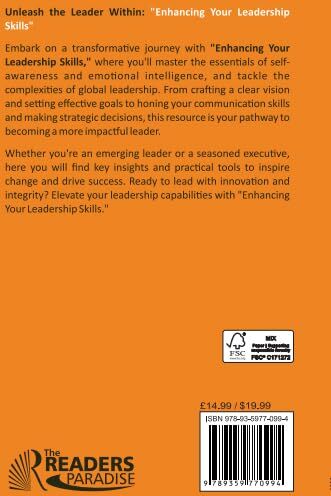
The Readers Paradise Enhancing Your Leadership Skills: A Practical Handbook for Success by Prof. V.K.Simon - Non Fiction Paperback - Leadership & Professional DevelopmentEnhance your leadership skills with this practical handbook by Prof. V.K.Simon. Written for anyone looking to lead with confidence and clarity, it blends self-awareness, emotional intelligence, and real-world strategy to help you achieve success. Whether you're a first-time manager or a seasoned executive, this compact guide delivers tools to strengthen decision-making, communication, and team impact in a fast-changing global workplace. It's built around the idea that great leadership is learned through practice, not theory alone, and covers the core competencies every effective leader needs, starting with self-awareness and emotional intelligence.2,99 £*Shipping: 2,99 £Secure redirect to the provider
-
Ludonova Coming of Age - Story-driven Development Dice Management Game - Board GameIn Coming of Age, players guide a character from childhood through adolescence, making choices that shape their interests, skills, personality, and future ambitions. Each player begins with a limited range of interests and abilities, then develops through experiences encountered during the game. Use a dice-management mechanism to decide where to go and which opportunities to pursue. Visits around the city introduce new experiences, while interactions and personal decisions influence the traits recorded on your individual player board. Along the way, you will form memories, make friends, fall in love, and learn to handle setbacks. The aim is to fulfill personal life goals by balancing development, independence, and the experiences that define your character. Parental support is important early in the journey, but your choices gradually open up new possibilities as you grow.45,99 £*Shipping: 3,95 £Secure redirect to the provider
-
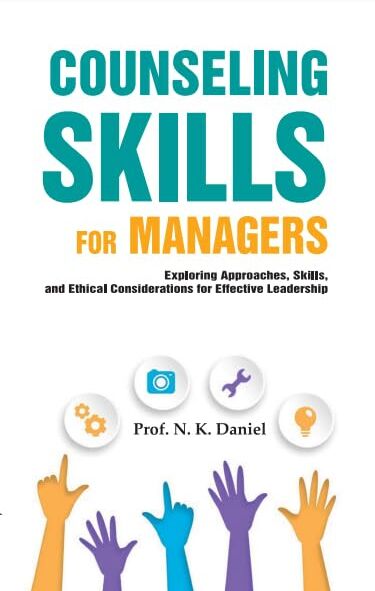
The Readers Paradise Counseling Skills For Managers by Prof. N.K. Daniel - Paperback - Leadership, Coaching & Workplace Ethics Guide for Managers and HR ProfessionalsCounseling Skills For Managers is a practical guide that helps leaders develop essential counseling skills for the workplace. Written for managers, team leads, HR professionals, and aspiring executives, it covers foundational counseling theory and its strategic application in corporate settings. The book teaches readers how to listen with empathy, structure coaching conversations, resolve role conflicts, and support colleagues through change and difficulty, all while maintaining clear ethical boundaries. This guide is a valuable addition to any professional development or leadership library, offering a unique blend of psychology and management principles in an accessible format.2,99 £*Shipping: 2,99 £Secure redirect to the provider
-
Various Publishers How to Talk to Anyone, Next Conversation & Psychology of Management - 3 Book Paperback Set - Communication, Leadership & Management PsychologyThis 3-book collection set brings together three practical, people-focused reads for anyone who wants to communicate better and lead more effectively. Leil Lowndes' classic 'How to Talk to Anyone' pairs with Jefferson Fisher's 'Next Conversation' and a foundational 'Psychology of Management' title to cover everyday conversation, conflict resolution, and workplace psychology in one bundle. Whether you are prepping for interviews, managing a team, or simply want to feel more confident in social situations, this paperback set offers accessible, actionable guidance you can start using immediately. The set includes 'How to Talk to Anyone' by Leil Lowndes, 'Next Conversation' by Jefferson Fisher, and 'Psychology of Management'.20,99 £*Shipping: 2,99 £Secure redirect to the provider


-
How do budgerigars make sounds with their beaks?
Budgerigars, also known as budgies, make sounds with their beaks by grinding their upper and lower beaks together. This action creates a soft, chattering sound that is often used as a form of communication between budgies. Additionally, budgies can also produce a variety of vocalizations, including chirps, whistles, and squawks, by using their syrinx, a vocal organ located at the base of their trachea. These vocalizations are used for various purposes, such as attracting a mate, warning of danger, or expressing contentment. **
-
Why do birds move their beaks so jerkily?
Birds move their beaks jerkily because it allows them to quickly and accurately capture prey, such as insects or small fish. This rapid movement helps them to snatch their prey with precision and speed, making it easier for them to catch their food. Additionally, the jerky movement of their beaks may also help birds to break open seeds or nuts, allowing them to access the nutritious contents inside. Overall, the jerky movement of their beaks is an adaptation that helps birds to efficiently feed and survive in their natural environment. **
-
Why do tits peck at the window with their beaks?
Tits may peck at windows for a few reasons. They may see their reflection and mistake it for a rival bird, leading them to peck at the window in an attempt to drive the "intruder" away. Additionally, they may be trying to access insects or other food that they see on the other side of the window. In some cases, they may also be trying to build a nest or find a suitable nesting site. It's important to try to deter this behavior, as it can be harmful to the birds and may also damage the window. **
-
What is special about the beaks of the Darwin's finches?
The beaks of Darwin's finches are special because they have evolved to be different shapes and sizes in order to adapt to different food sources. This is a classic example of adaptive radiation, where a single ancestral species diversifies into multiple species with different ecological roles. The beak shapes of the finches allow them to access different types of food, such as seeds, insects, or nectar, depending on the specific environmental conditions of their habitat. This variation in beak morphology has allowed the finches to successfully exploit a wide range of ecological niches in the Galápagos Islands. **

What do the beaks and feet of birds have to do with their food?
The beaks and feet of birds are adapted to help them obtain and consume their food. The shape and size of a bird's beak is often specialized for the type of food it eats, such as a long, thin beak for probing into flowers for nectar or a strong, hooked beak for tearing into flesh. Similarly, the feet of birds can be adapted for different purposes, such as webbed feet for swimming and catching fish, or talons for grasping and carrying prey. Overall, the beaks and feet of birds play a crucial role in helping them find, capture, and consume their food. **
Why do birds tuck their beaks into their feathers on their back when sleeping?
Birds tuck their beaks into their feathers on their back when sleeping as a way to keep warm and conserve energy. By tucking their beaks, they can reduce heat loss and maintain their body temperature during the night. This behavior also helps protect their beaks from potential predators while they are vulnerable and asleep. Additionally, tucking their beaks into their feathers can help birds maintain a streamlined shape, making it easier for them to stay balanced and stable while perched. **
Top-Angebote
Products related to Beaks:
-
John Murray Business Coaching For Performance 6th Edition: The Principles And Practice Of Coaching And Leadership - Non FictionTitle:. Coaching For Performance 6th Edition: The Principles And Practice Of Coaching And Leadership Overview:. Unlock the full potential of your team with this essential guide to professional coaching. John Whitmore’s text delivers a clear roadmap for improving results. You will learn to ask powerful questions that spark independent thinking. The pages walk you through real-world scenarios to build trust. Every chapter offers actionable steps to foster accountability. You discover how to balance high expectations with genuine support. This updated guide keeps core principles sharp for modern workplaces. It bridges the gap between theory and daily practice. You gain the tools to navigate complex conversations confidently. Your leadership journey starts with a structured path forward. This authoritative text transforms how you approach daily challenges. You stop guessing and start implementing proven methodologies. Your conversations become less stressful and far more productive. What Makes This Book Stand Out:. What sets this title apart is its laser focus on human potential. Instead of offering generic advice, it teaches you how to ignite internal motivation. The widely recognised GROW framework serves as a reliable backbone for every session. You receive concrete techniques for managing resistance at work. The writing remains direct and accessible. You get deep insight into psychological barriers that limit growth. Each lesson connects back to measurable outcomes. This approach cultivates a culture where feedback feels genuinely supportive. You keep returning to its pages for consistent leadership habits. The practical exercises help you track progress without getting bogged down. You watch reluctant employees transform into proactive problem solvers. Managing becomes easier when you shift from telling to asking. Who This Book Is Perfect For:. Managers looking to avoid micromanagement will find immediate value in these pages. Business owners apply these strategies to accelerate team productivity quickly. Human resources professionals appreciate the clear guidelines for one-to-one meetings. Aspiring life coaches benefit from the foundational psychological groundwork. Students studying organisational psychology recognize this as a crucial reference point. Anyone who guides others forward can sharpen their interpersonal skills daily. The guidance works equally well for managing remote or hybrid teams.. You do not need prior training to implement these tactics successfully. The logical structure allows you to dip in for current solutions. Corporate training coordinators frequently adopt this manual as their primary classroom resource. Senior executives use it to recalibrate boardroom dynamics and drive alignment. Key Highlights:. Empowerment Strategy: Learn to replace directives with questions that unlock employee decision-making.. GROW Framework: Master a four-step system for structuring productive development conversations.. Psychological...24,99 £*Shipping: 2,99 £Secure redirect to the provider
-
Joanne Partis Tracey Corderoy & Caroline Crowe Barry Timms & Various Beaks And Bubbles 10 Picture Books Collection Set By Various Authors - Ages 3–5 - PaperbackTitles in The Set :. Sneaky Beak. Goodnight Toucan. Noah and the Starbird. Tiny Tantrum. Meet the Grumblies. No!. The Space Train. The Magic Bubbles. There's No Such Thing as a Snappenpoop. Poo in the Zoo. Condition : BRAND NEW. Format :Paperback. ISBN :9781801048408. Overview:. Discover the joy of shared reading with the Beaks and Bubbles 10 Picture Books Collection Set. This carefully curated bundle brings together ten delightful volumes designed specifically for young children aged 3 to 5 years. You receive a comprehensive assortment of stories, rhymes, and adventures, all bound under the charming banner of our beloved avian characters and bubbling fun. Whether you are looking to build a sturdy home library or seeking the perfect stocking filler, this set delivers exceptional value. Purchasing the collection allows you to gather all the current titles in one convenient transaction. Your little ones get instant access to a month of bedtime tales or weekend engagement activities. The paperback construction keeps the books lightweight enough for small hands to manage independently. As your child explores this set, they encounter lively illustrations and age-appropriate vocabulary that encourage participation. Each book serves as a gateway to imagination, helping toddlers navigate emotions and concepts through the lens of playful bird-themed narratives. This is more than just a purchase; it is an investment in early learning habits that rewards both parent and child.. What Makes This Collection Special:. This set distinguishes itself through its commitment to variety without abandoning accessibility. While the core theme revolves around beaks and bubbles, the inclusion of multiple distinct stories ensures that your child never faces the same plot twice. We have avoided repetitive filler content by assembling a lineup that respects different reading moods. Some entries might focus on quiet observation of nature, while others celebrate energetic play and silly antics. This balanced approach helps sustain interest over longer periods without overwhelming developing attention spans. The collection also shines in its suitability for developmental milestones typical of the 3 to 5 age bracket. Early readers benefit from seeing familiar print patterns across multiple volumes. Listeners thrive on the clear narrative arcs that reward their patience. Furthermore, owning the full suite of ten books creates a sense of wholeness. You can rotate specific titles depending on your daily needs, knowing the entire catalogue is available in one cupboard. This level of curation reduces decision fatigue for caregivers and maximises the fun factor for the youngest fans.. Books Included in This Collection:. The Beaks and Bubbles Complete Library. At the heart of this package lies a robust anthology of ten separate picture books. Each volume contributes unique artwork, character moments, and gentle lessons tailored to preschool sensibilities. The internal pages feature...17,99 £*Shipping: 2,99 £Secure redirect to the provider
-
The Readers Paradise Enhancing Your Leadership Skills: A Practical Handbook for Success by Prof. V.K.Simon - Non Fiction Paperback - Leadership & Professional DevelopmentEnhance your leadership skills with this practical handbook by Prof. V.K.Simon. Written for anyone looking to lead with confidence and clarity, it blends self-awareness, emotional intelligence, and real-world strategy to help you achieve success. Whether you're a first-time manager or a seasoned executive, this compact guide delivers tools to strengthen decision-making, communication, and team impact in a fast-changing global workplace. It's built around the idea that great leadership is learned through practice, not theory alone, and covers the core competencies every effective leader needs, starting with self-awareness and emotional intelligence.2,99 £*Shipping: 2,99 £Secure redirect to the provider
-
Ludonova Coming of Age - Story-driven Development Dice Management Game - Board GameIn Coming of Age, players guide a character from childhood through adolescence, making choices that shape their interests, skills, personality, and future ambitions. Each player begins with a limited range of interests and abilities, then develops through experiences encountered during the game. Use a dice-management mechanism to decide where to go and which opportunities to pursue. Visits around the city introduce new experiences, while interactions and personal decisions influence the traits recorded on your individual player board. Along the way, you will form memories, make friends, fall in love, and learn to handle setbacks. The aim is to fulfill personal life goals by balancing development, independence, and the experiences that define your character. Parental support is important early in the journey, but your choices gradually open up new possibilities as you grow.45,99 £*Shipping: 3,95 £Secure redirect to the provider
-
Are those healthy budgie beaks?
It is difficult to determine the health of the budgie beaks without a closer examination. Healthy budgie beaks are typically smooth, well-shaped, and free from any discoloration or deformities. If the beaks appear overgrown, discolored, or have any signs of damage, it may indicate a health issue that requires attention from a veterinarian. Regular monitoring and providing appropriate toys and perches for chewing can help maintain the health of budgie beaks. **
-
Do my budgerigars have cracks in their beaks?
It is not uncommon for budgerigars to have small cracks or imperfections in their beaks. This can be caused by a variety of factors such as diet, genetics, or environmental conditions. However, if the cracks appear to be deep, causing bleeding or affecting the bird's ability to eat or groom itself, it is important to consult a veterinarian for proper treatment. Regular monitoring of your budgerigars' beaks and providing a balanced diet can help prevent and manage any issues with their beaks. **
-
How do budgerigars make sounds with their beaks?
Budgerigars, also known as budgies, make sounds with their beaks by grinding their upper and lower beaks together. This action creates a soft, chattering sound that is often used as a form of communication between budgies. Additionally, budgies can also produce a variety of vocalizations, including chirps, whistles, and squawks, by using their syrinx, a vocal organ located at the base of their trachea. These vocalizations are used for various purposes, such as attracting a mate, warning of danger, or expressing contentment. **
-
Why do birds move their beaks so jerkily?
Birds move their beaks jerkily because it allows them to quickly and accurately capture prey, such as insects or small fish. This rapid movement helps them to snatch their prey with precision and speed, making it easier for them to catch their food. Additionally, the jerky movement of their beaks may also help birds to break open seeds or nuts, allowing them to access the nutritious contents inside. Overall, the jerky movement of their beaks is an adaptation that helps birds to efficiently feed and survive in their natural environment. **
Similar search terms for Beaks
-
The Readers Paradise Counseling Skills For Managers by Prof. N.K. Daniel - Paperback - Leadership, Coaching & Workplace Ethics Guide for Managers and HR ProfessionalsCounseling Skills For Managers is a practical guide that helps leaders develop essential counseling skills for the workplace. Written for managers, team leads, HR professionals, and aspiring executives, it covers foundational counseling theory and its strategic application in corporate settings. The book teaches readers how to listen with empathy, structure coaching conversations, resolve role conflicts, and support colleagues through change and difficulty, all while maintaining clear ethical boundaries. This guide is a valuable addition to any professional development or leadership library, offering a unique blend of psychology and management principles in an accessible format.2,99 £*Shipping: 2,99 £Secure redirect to the provider
-
Various Publishers How to Talk to Anyone, Next Conversation & Psychology of Management - 3 Book Paperback Set - Communication, Leadership & Management PsychologyThis 3-book collection set brings together three practical, people-focused reads for anyone who wants to communicate better and lead more effectively. Leil Lowndes' classic 'How to Talk to Anyone' pairs with Jefferson Fisher's 'Next Conversation' and a foundational 'Psychology of Management' title to cover everyday conversation, conflict resolution, and workplace psychology in one bundle. Whether you are prepping for interviews, managing a team, or simply want to feel more confident in social situations, this paperback set offers accessible, actionable guidance you can start using immediately. The set includes 'How to Talk to Anyone' by Leil Lowndes, 'Next Conversation' by Jefferson Fisher, and 'Psychology of Management'.20,99 £*Shipping: 2,99 £Secure redirect to the provider
-
Why do tits peck at the window with their beaks?
Tits may peck at windows for a few reasons. They may see their reflection and mistake it for a rival bird, leading them to peck at the window in an attempt to drive the "intruder" away. Additionally, they may be trying to access insects or other food that they see on the other side of the window. In some cases, they may also be trying to build a nest or find a suitable nesting site. It's important to try to deter this behavior, as it can be harmful to the birds and may also damage the window. **
-
What is special about the beaks of the Darwin's finches?
The beaks of Darwin's finches are special because they have evolved to be different shapes and sizes in order to adapt to different food sources. This is a classic example of adaptive radiation, where a single ancestral species diversifies into multiple species with different ecological roles. The beak shapes of the finches allow them to access different types of food, such as seeds, insects, or nectar, depending on the specific environmental conditions of their habitat. This variation in beak morphology has allowed the finches to successfully exploit a wide range of ecological niches in the Galápagos Islands. **
-
What do the beaks and feet of birds have to do with their food?
The beaks and feet of birds are adapted to help them obtain and consume their food. The shape and size of a bird's beak is often specialized for the type of food it eats, such as a long, thin beak for probing into flowers for nectar or a strong, hooked beak for tearing into flesh. Similarly, the feet of birds can be adapted for different purposes, such as webbed feet for swimming and catching fish, or talons for grasping and carrying prey. Overall, the beaks and feet of birds play a crucial role in helping them find, capture, and consume their food. **
-
Why do birds tuck their beaks into their feathers on their back when sleeping?
Birds tuck their beaks into their feathers on their back when sleeping as a way to keep warm and conserve energy. By tucking their beaks, they can reduce heat loss and maintain their body temperature during the night. This behavior also helps protect their beaks from potential predators while they are vulnerable and asleep. Additionally, tucking their beaks into their feathers can help birds maintain a streamlined shape, making it easier for them to stay balanced and stable while perched. **
* All prices are inclusive of VAT and, if applicable, plus shipping costs. The offer information is based on the details provided by the respective shop and is updated through automated processes. Real-time updates do not occur, so deviations can occur in individual cases. ** Note: Parts of this content were created by AI.