Buy aefca.eu ?
We are moving the project
aefca.eu .
Are you interested in purchasing the domain
aefca.eu ?
domain@kv-gmbh.de · 0541-91531010
Buy aefca.eu ?
How do you compose a rondo?
A rondo is a musical form that features a recurring theme alternating with contrasting sections. To compose a rondo, you typically start by establishing a main theme (A) that will serve as the recurring element throughout the piece. This theme is then alternated with different contrasting sections (B, C, D, etc.) to create variety and interest. The structure of a rondo is usually in the form of ABACADA, with the A section returning in between each contrasting section. It is important to ensure smooth transitions between the sections and to maintain a sense of unity and coherence throughout the composition. **
How should I compose the email?
When composing the email, start by addressing the recipient with a polite greeting. Clearly state the purpose of the email in the opening paragraph. Provide any necessary context or background information to help the recipient understand the situation. Be concise and to the point in your communication, and end the email with a polite closing and your contact information in case they need to follow up. **


Similar search terms for Compose
Top-Angebote
Products related to Compose:
-
Perfect Picks Market Geometric Building Blocks Set For Kids Early Education Intelligence Development Toy Geometric Building Blocks Set For Kids Early Education Intelligence Development ToyUnlock your child's potential with this early education equipment designed to stimulate creativity and intelligence! This geometric set is the perfect building block toy for boys, helping to develop problemsolving skills while having fun. The...35,97 $*Shipping: 0,00 $Secure redirect to the provider
-
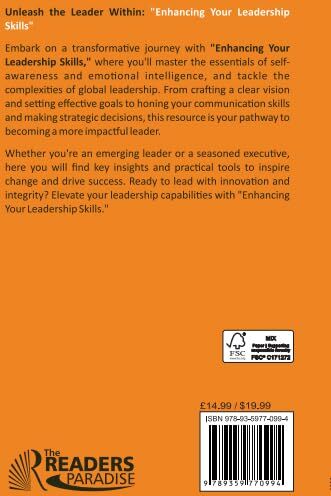
The Readers Paradise Enhancing Your Leadership Skills: A Practical Handbook for Success by Prof. V.K.Simon - Non Fiction Paperback - Leadership & Professional DevelopmentEnhance your leadership skills with this practical handbook by Prof. V.K.Simon. Written for anyone looking to lead with confidence and clarity, it blends self-awareness, emotional intelligence, and real-world strategy to help you achieve success. Whether you're a first-time manager or a seasoned executive, this compact guide delivers tools to strengthen decision-making, communication, and team impact in a fast-changing global workplace. It's built around the idea that great leadership is learned through practice, not theory alone, and covers the core competencies every effective leader needs, starting with self-awareness and emotional intelligence.2,99 £*Shipping: 2,99 £Secure redirect to the provider
-
Various Publishers How to Talk to Anyone, Next Conversation & Psychology of Management - 3 Book Paperback Set - Communication, Leadership & Management PsychologyThis 3-book collection set brings together three practical, people-focused reads for anyone who wants to communicate better and lead more effectively. Leil Lowndes' classic 'How to Talk to Anyone' pairs with Jefferson Fisher's 'Next Conversation' and a foundational 'Psychology of Management' title to cover everyday conversation, conflict resolution, and workplace psychology in one bundle. Whether you are prepping for interviews, managing a team, or simply want to feel more confident in social situations, this paperback set offers accessible, actionable guidance you can start using immediately. The set includes 'How to Talk to Anyone' by Leil Lowndes, 'Next Conversation' by Jefferson Fisher, and 'Psychology of Management'.20,99 £*Shipping: 2,99 £Secure redirect to the provider
-
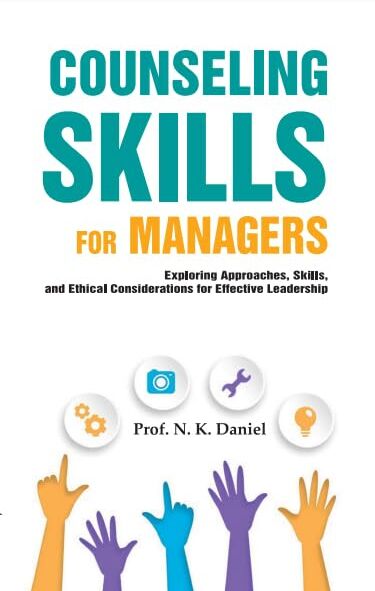
The Readers Paradise Counseling Skills For Managers by Prof. N.K. Daniel - Paperback - Leadership, Coaching & Workplace Ethics Guide for Managers and HR ProfessionalsCounseling Skills For Managers is a practical guide that helps leaders develop essential counseling skills for the workplace. Written for managers, team leads, HR professionals, and aspiring executives, it covers foundational counseling theory and its strategic application in corporate settings. The book teaches readers how to listen with empathy, structure coaching conversations, resolve role conflicts, and support colleagues through change and difficulty, all while maintaining clear ethical boundaries. This guide is a valuable addition to any professional development or leadership library, offering a unique blend of psychology and management principles in an accessible format.2,99 £*Shipping: 2,99 £Secure redirect to the provider


-
Is it difficult to compose songs?
Composing songs can be difficult for some people, as it requires a combination of creativity, musical knowledge, and technical skill. It can be challenging to come up with original melodies and lyrics, as well as to arrange them in a way that is musically engaging. However, with practice and dedication, many people are able to develop their songwriting abilities and create music that is meaningful and enjoyable. Like any creative endeavor, composing songs can be both challenging and rewarding. **
-
How should I compose the message?
When composing a message, it's important to consider the purpose and audience of the communication. Start by greeting the recipient and then clearly state the reason for the message. Use a polite and professional tone, and organize the content in a clear and concise manner. Be sure to include any necessary details or information, and end the message with a polite closing. Finally, proofread the message to ensure it is free of errors before sending. **
-
How do composers compose their music?
Composers compose their music by drawing inspiration from various sources, such as personal experiences, emotions, or other works of art. They then use their knowledge of music theory, harmony, rhythm, and instrumentation to create a structure for their composition. This may involve sketching out ideas on paper, experimenting with different melodies and harmonies, and refining their work through a process of trial and error. Composers also often collaborate with musicians and conductors to bring their compositions to life through performance. Overall, the process of composing music is a deeply personal and creative endeavor that requires both technical skill and artistic vision. **
-
How can I compose a fugue myself?
To compose a fugue, start by choosing a subject or theme that will be the main melody of the piece. Develop this subject by creating countersubjects and episodes that will complement and contrast with the main theme. Pay attention to the rules of fugue writing, such as maintaining strict counterpoint and following the principles of voice leading. Finally, structure your fugue by organizing the entrances of the subject and developing the piece through different keys and variations. Practice and study fugues by great composers to improve your skills in composing your own fugue. **
How can one compose 12-tone music?
To compose 12-tone music, one must first create a 12-tone row, which is a specific ordering of the 12 pitches in the chromatic scale. This row is then used as the basis for the composition, with each of the 12 pitches being used before any is repeated. The composer can then manipulate the row by transposing it, inverting it, or creating variations on it to create the musical material for the composition. The resulting music is characterized by its atonal and dissonant sound, as well as its lack of a traditional tonal center. **
How can one compose virtual orchestral music?
To compose virtual orchestral music, one can start by choosing a digital audio workstation (DAW) software that supports orchestral sample libraries. Next, select high-quality orchestral sample libraries that include a variety of instruments such as strings, brass, woodwinds, and percussion. Then, familiarize oneself with the different articulations and techniques available for each instrument to create realistic and expressive performances. Finally, arrange the orchestral parts, paying attention to dynamics, phrasing, and balance to achieve a cohesive and emotive composition. **
Top-Angebote
Products related to Compose:
-
Dermagius Compose Mousse Facial Soap Gentle CleaningA cleansing product for sensitive skin. Gently removes impurities while preserving skin hydration. Reduces excess oil and soothes sensitive skin. Combats premature aging with antioxidant-rich ingredients. Leaves skin clean, soft, and lightly fragranced. Suitable for all skin types, including dry and sensitive.28,56 £*Shipping: 9,91 £Secure redirect to the provider
-
Dermagius Compose Hidracare Cream-Gel 24-Hour Moisturizing 30mLA facial cream. Transform your skincare with Compose Hidracare Cream-Gel – a 24-hour lightweight moisturizer that hydrates, balances, and revitalizes all skin types. Hydrate, Balance, Flourish. 24-hour hydration with a light, fast-absorbing gel-cream texture. Rebalances skin’s microflora for a healthier complexion.15,56 £*Shipping: 5,34 £Secure redirect to the provider
-
Perfect Picks Market Geometric Building Blocks Set For Kids Early Education Intelligence Development Toy Geometric Building Blocks Set For Kids Early Education Intelligence Development ToyUnlock your child's potential with this early education equipment designed to stimulate creativity and intelligence! This geometric set is the perfect building block toy for boys, helping to develop problemsolving skills while having fun. The...35,97 $*Shipping: 0,00 $Secure redirect to the provider
-
The Readers Paradise Enhancing Your Leadership Skills: A Practical Handbook for Success by Prof. V.K.Simon - Non Fiction Paperback - Leadership & Professional DevelopmentEnhance your leadership skills with this practical handbook by Prof. V.K.Simon. Written for anyone looking to lead with confidence and clarity, it blends self-awareness, emotional intelligence, and real-world strategy to help you achieve success. Whether you're a first-time manager or a seasoned executive, this compact guide delivers tools to strengthen decision-making, communication, and team impact in a fast-changing global workplace. It's built around the idea that great leadership is learned through practice, not theory alone, and covers the core competencies every effective leader needs, starting with self-awareness and emotional intelligence.2,99 £*Shipping: 2,99 £Secure redirect to the provider
-
How do you compose a rondo?
A rondo is a musical form that features a recurring theme alternating with contrasting sections. To compose a rondo, you typically start by establishing a main theme (A) that will serve as the recurring element throughout the piece. This theme is then alternated with different contrasting sections (B, C, D, etc.) to create variety and interest. The structure of a rondo is usually in the form of ABACADA, with the A section returning in between each contrasting section. It is important to ensure smooth transitions between the sections and to maintain a sense of unity and coherence throughout the composition. **
-
How should I compose the email?
When composing the email, start by addressing the recipient with a polite greeting. Clearly state the purpose of the email in the opening paragraph. Provide any necessary context or background information to help the recipient understand the situation. Be concise and to the point in your communication, and end the email with a polite closing and your contact information in case they need to follow up. **
-
Is it difficult to compose songs?
Composing songs can be difficult for some people, as it requires a combination of creativity, musical knowledge, and technical skill. It can be challenging to come up with original melodies and lyrics, as well as to arrange them in a way that is musically engaging. However, with practice and dedication, many people are able to develop their songwriting abilities and create music that is meaningful and enjoyable. Like any creative endeavor, composing songs can be both challenging and rewarding. **
-
How should I compose the message?
When composing a message, it's important to consider the purpose and audience of the communication. Start by greeting the recipient and then clearly state the reason for the message. Use a polite and professional tone, and organize the content in a clear and concise manner. Be sure to include any necessary details or information, and end the message with a polite closing. Finally, proofread the message to ensure it is free of errors before sending. **
Similar search terms for Compose
-
Various Publishers How to Talk to Anyone, Next Conversation & Psychology of Management - 3 Book Paperback Set - Communication, Leadership & Management PsychologyThis 3-book collection set brings together three practical, people-focused reads for anyone who wants to communicate better and lead more effectively. Leil Lowndes' classic 'How to Talk to Anyone' pairs with Jefferson Fisher's 'Next Conversation' and a foundational 'Psychology of Management' title to cover everyday conversation, conflict resolution, and workplace psychology in one bundle. Whether you are prepping for interviews, managing a team, or simply want to feel more confident in social situations, this paperback set offers accessible, actionable guidance you can start using immediately. The set includes 'How to Talk to Anyone' by Leil Lowndes, 'Next Conversation' by Jefferson Fisher, and 'Psychology of Management'.20,99 £*Shipping: 2,99 £Secure redirect to the provider
-
The Readers Paradise Counseling Skills For Managers by Prof. N.K. Daniel - Paperback - Leadership, Coaching & Workplace Ethics Guide for Managers and HR ProfessionalsCounseling Skills For Managers is a practical guide that helps leaders develop essential counseling skills for the workplace. Written for managers, team leads, HR professionals, and aspiring executives, it covers foundational counseling theory and its strategic application in corporate settings. The book teaches readers how to listen with empathy, structure coaching conversations, resolve role conflicts, and support colleagues through change and difficulty, all while maintaining clear ethical boundaries. This guide is a valuable addition to any professional development or leadership library, offering a unique blend of psychology and management principles in an accessible format.2,99 £*Shipping: 2,99 £Secure redirect to the provider
-
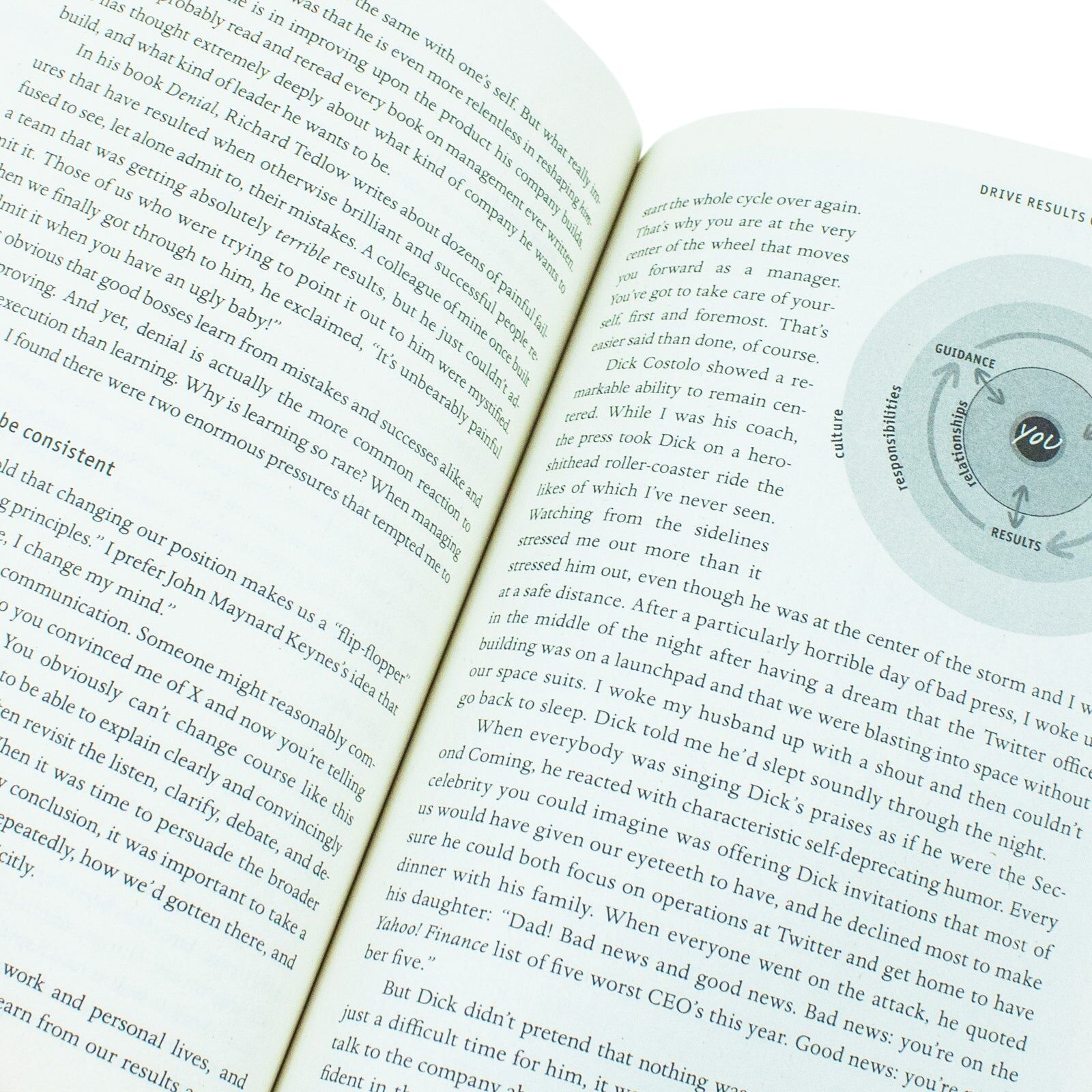
Pan Macmillan Radical Candor by Kim Scott The Bestselling Leadership Book - Management, Feedback & Workplace Culture BookRadical Candor by Kim Scott is a groundbreaking leadership and communication guide that teaches how to give feedback effectively, build trust, and create high-performing teams without becoming harsh—or avoiding difficult conversations. Based on Scott’s experience at Google, Apple and Silicon Valley startups, Radical Candor introduces a simple but powerful framework built on two pillars: Care Personally Challenge Directly The book provides practical tools for giving honest feedback, fostering open communication, strengthening working relationships, and becoming a more compassionate and impactful leader. Perfect for managers, team leaders, HR professionals, and anyone wanting to build a healthy, productive workplace culture. Radical Candor is the perfect handbook for those who are looking to find meaning in their job and create an environment where people love both their work and their colleagues, and are motivated to strive to ever greater success.2,99 £*Shipping: 1,99 £Secure redirect to the provider
-
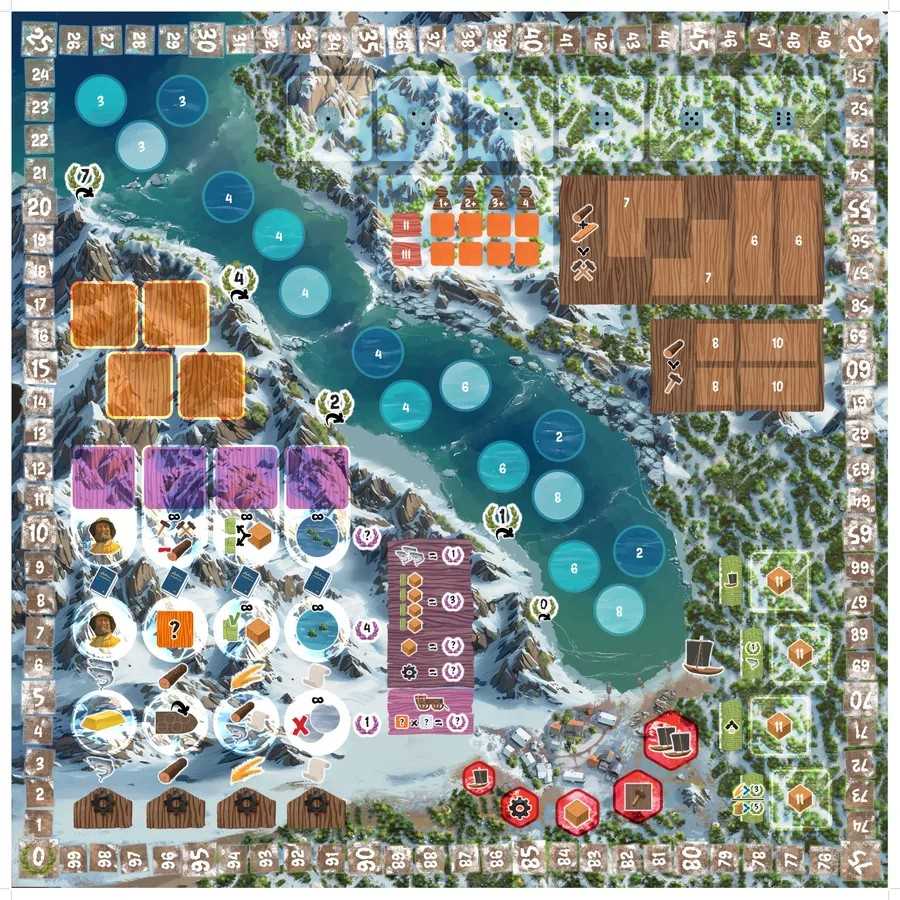
Saltfjord Strategic Board Game by Aporta Games, Dice Drafting, Village Development, and Resource ManagementBuild a fishing village in northern Norway with Saltfjord, a strategic board game set at the end of the 19th century. Players develop their own settlement while making careful decisions about resources, buildings, trade, and technology. Use dice drafting to determine the actions available to you, then send your boat out to gather fish and expand the prosperity of your village. Construct new buildings, improve your capabilities, and discover technologies that can make everyday life more efficient. The game draws inspiration from the dice-drafting mechanisms of Santa Maria, while introducing its own setting, systems, and expanded gameplay. Each decision contributes to the direction of your settlement, giving players several ways to pursue success.43,89 £*Shipping: 1,99 £Secure redirect to the provider
-
How do composers compose their music?
Composers compose their music by drawing inspiration from various sources, such as personal experiences, emotions, or other works of art. They then use their knowledge of music theory, harmony, rhythm, and instrumentation to create a structure for their composition. This may involve sketching out ideas on paper, experimenting with different melodies and harmonies, and refining their work through a process of trial and error. Composers also often collaborate with musicians and conductors to bring their compositions to life through performance. Overall, the process of composing music is a deeply personal and creative endeavor that requires both technical skill and artistic vision. **
-
How can I compose a fugue myself?
To compose a fugue, start by choosing a subject or theme that will be the main melody of the piece. Develop this subject by creating countersubjects and episodes that will complement and contrast with the main theme. Pay attention to the rules of fugue writing, such as maintaining strict counterpoint and following the principles of voice leading. Finally, structure your fugue by organizing the entrances of the subject and developing the piece through different keys and variations. Practice and study fugues by great composers to improve your skills in composing your own fugue. **
-
How can one compose 12-tone music?
To compose 12-tone music, one must first create a 12-tone row, which is a specific ordering of the 12 pitches in the chromatic scale. This row is then used as the basis for the composition, with each of the 12 pitches being used before any is repeated. The composer can then manipulate the row by transposing it, inverting it, or creating variations on it to create the musical material for the composition. The resulting music is characterized by its atonal and dissonant sound, as well as its lack of a traditional tonal center. **
-
How can one compose virtual orchestral music?
To compose virtual orchestral music, one can start by choosing a digital audio workstation (DAW) software that supports orchestral sample libraries. Next, select high-quality orchestral sample libraries that include a variety of instruments such as strings, brass, woodwinds, and percussion. Then, familiarize oneself with the different articulations and techniques available for each instrument to create realistic and expressive performances. Finally, arrange the orchestral parts, paying attention to dynamics, phrasing, and balance to achieve a cohesive and emotive composition. **
* All prices are inclusive of VAT and, if applicable, plus shipping costs. The offer information is based on the details provided by the respective shop and is updated through automated processes. Real-time updates do not occur, so deviations can occur in individual cases. ** Note: Parts of this content were created by AI.