Buy aefca.eu ?
We are moving the project
aefca.eu .
Are you interested in purchasing the domain
aefca.eu ?
domain@kv-gmbh.de · 0541-91531010
Buy aefca.eu ?
Is learning disability also a disability?
Yes, learning disability is also considered a disability. It is a neurological condition that can affect a person's ability to process, understand, and retain information. Individuals with learning disabilities may face challenges in areas such as reading, writing, math, and organization. It is important to recognize and support individuals with learning disabilities to ensure they have equal access to education and opportunities. **
Does learning disability belong to disability?
Yes, learning disability belongs to the category of disabilities. It is a condition that affects a person's ability to process, understand, and retain information. Individuals with learning disabilities may struggle with reading, writing, math, or other cognitive skills. Therefore, learning disability is recognized as a type of disability that can impact a person's educational and professional opportunities. **

Similar search terms for Disability
Top-Angebote
Products related to Disability:
-
John Murray Business Coaching For Performance 6th Edition: The Principles And Practice Of Coaching And Leadership - Non FictionTitle:. Coaching For Performance 6th Edition: The Principles And Practice Of Coaching And Leadership Overview:. Unlock the full potential of your team with this essential guide to professional coaching. John Whitmore’s text delivers a clear roadmap for improving results. You will learn to ask powerful questions that spark independent thinking. The pages walk you through real-world scenarios to build trust. Every chapter offers actionable steps to foster accountability. You discover how to balance high expectations with genuine support. This updated guide keeps core principles sharp for modern workplaces. It bridges the gap between theory and daily practice. You gain the tools to navigate complex conversations confidently. Your leadership journey starts with a structured path forward. This authoritative text transforms how you approach daily challenges. You stop guessing and start implementing proven methodologies. Your conversations become less stressful and far more productive. What Makes This Book Stand Out:. What sets this title apart is its laser focus on human potential. Instead of offering generic advice, it teaches you how to ignite internal motivation. The widely recognised GROW framework serves as a reliable backbone for every session. You receive concrete techniques for managing resistance at work. The writing remains direct and accessible. You get deep insight into psychological barriers that limit growth. Each lesson connects back to measurable outcomes. This approach cultivates a culture where feedback feels genuinely supportive. You keep returning to its pages for consistent leadership habits. The practical exercises help you track progress without getting bogged down. You watch reluctant employees transform into proactive problem solvers. Managing becomes easier when you shift from telling to asking. Who This Book Is Perfect For:. Managers looking to avoid micromanagement will find immediate value in these pages. Business owners apply these strategies to accelerate team productivity quickly. Human resources professionals appreciate the clear guidelines for one-to-one meetings. Aspiring life coaches benefit from the foundational psychological groundwork. Students studying organisational psychology recognize this as a crucial reference point. Anyone who guides others forward can sharpen their interpersonal skills daily. The guidance works equally well for managing remote or hybrid teams.. You do not need prior training to implement these tactics successfully. The logical structure allows you to dip in for current solutions. Corporate training coordinators frequently adopt this manual as their primary classroom resource. Senior executives use it to recalibrate boardroom dynamics and drive alignment. Key Highlights:. Empowerment Strategy: Learn to replace directives with questions that unlock employee decision-making.. GROW Framework: Master a four-step system for structuring productive development conversations.. Psychological...24,99 £*Shipping: 2,99 £Secure redirect to the provider
-
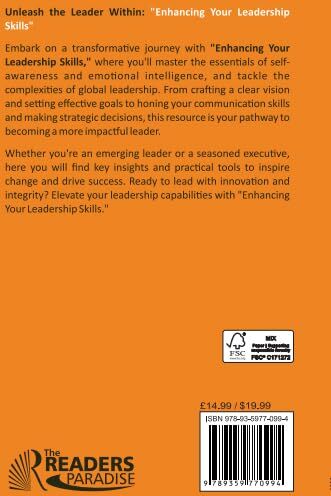
The Readers Paradise Enhancing Your Leadership Skills: A Practical Handbook for Success by Prof. V.K.Simon - Non Fiction Paperback - Leadership & Professional DevelopmentEnhance your leadership skills with this practical handbook by Prof. V.K.Simon. Written for anyone looking to lead with confidence and clarity, it blends self-awareness, emotional intelligence, and real-world strategy to help you achieve success. Whether you're a first-time manager or a seasoned executive, this compact guide delivers tools to strengthen decision-making, communication, and team impact in a fast-changing global workplace. It's built around the idea that great leadership is learned through practice, not theory alone, and covers the core competencies every effective leader needs, starting with self-awareness and emotional intelligence.2,99 £*Shipping: 2,99 £Secure redirect to the provider
-
Ludonova Coming of Age - Story-driven Development Dice Management Game - Board GameIn Coming of Age, players guide a character from childhood through adolescence, making choices that shape their interests, skills, personality, and future ambitions. Each player begins with a limited range of interests and abilities, then develops through experiences encountered during the game. Use a dice-management mechanism to decide where to go and which opportunities to pursue. Visits around the city introduce new experiences, while interactions and personal decisions influence the traits recorded on your individual player board. Along the way, you will form memories, make friends, fall in love, and learn to handle setbacks. The aim is to fulfill personal life goals by balancing development, independence, and the experiences that define your character. Parental support is important early in the journey, but your choices gradually open up new possibilities as you grow.45,99 £*Shipping: 3,95 £Secure redirect to the provider


-
Does learning disability belong to severe disability?
Learning disability is not typically considered a severe disability on its own. While it can significantly impact a person's ability to learn and process information, it does not necessarily affect their physical functioning or independence in the same way that severe disabilities do. However, individuals with learning disabilities may also have other co-occurring conditions that could be considered severe disabilities, such as intellectual disabilities or physical impairments. Therefore, the classification of learning disability as a severe disability may depend on the specific circumstances and individual needs of the person in question. **
-
What is the difference between disability-friendly and disability-accessible?
Disability-friendly means that a space or environment is designed in a way that is welcoming and accommodating to individuals with disabilities, taking into consideration their needs and preferences. On the other hand, disability-accessible refers to the physical infrastructure and features that allow individuals with disabilities to navigate and use a space effectively, such as ramps, elevators, and wide doorways. While disability-friendly focuses on creating a supportive and inclusive atmosphere, disability-accessible emphasizes the practical aspects of ensuring equal access and opportunities for individuals with disabilities. **
-
What is the difference between intellectual disability and learning disability?
Intellectual disability refers to limitations in intellectual functioning and adaptive behavior, which can affect a person's ability to learn and function independently. It is typically diagnosed before the age of 18 and can result in significant limitations in cognitive and adaptive skills. On the other hand, learning disabilities refer to specific difficulties in acquiring and using skills in reading, writing, math, or other academic areas. These difficulties are not primarily due to intellectual disabilities, sensory impairments, or other factors, and individuals with learning disabilities often have average or above-average intelligence. In summary, the main difference between intellectual disability and learning disability is that intellectual disability involves limitations in overall intellectual functioning and adaptive behavior, while learning disabilities are specific difficulties in certain academic areas. **
-
What is worse: intellectual disability, mental illness, or physical disability?
It is not appropriate to compare the severity of different types of disabilities as each individual's experience is unique and complex. Intellectual disability, mental illness, and physical disability all present their own challenges and impact individuals in different ways. It is important to approach each person with empathy, understanding, and support, regardless of the type of disability they may have. Instead of comparing disabilities, it is more important to focus on creating inclusive and supportive environments for all individuals. **
Why do people receive a disability pension due to a disability?
People receive a disability pension due to a disability because their disability may prevent them from being able to work and earn a living. Disabilities can limit a person's physical or mental abilities, making it difficult for them to perform the tasks required for employment. In these cases, a disability pension provides financial support to help cover living expenses and medical costs. It is a way to ensure that individuals with disabilities can maintain a certain standard of living despite their inability to work. **
What is communication disability?
Communication disability refers to any condition that affects a person's ability to communicate effectively. This can include difficulties with speech, language, hearing, or understanding. Communication disabilities can be caused by a variety of factors such as developmental disorders, neurological conditions, or physical impairments. Individuals with communication disabilities may require alternative methods of communication, such as sign language, communication devices, or speech therapy, to help them effectively express themselves and interact with others. **
Top-Angebote
Products related to Disability:
-
Wayland Disability: Don't Call Me Special (A First Look At)Title:. Disability: Don't Call Me Special (A First Look At) Condition: New. Format: Paperback Overview:. Navigating conversations about difference, equality, and inclusion can feel challenging, but this carefully crafted guide transforms a potentially sensitive topic into an accessible educational experience. Designed as part of the acclaimed *First Look At…* series, *Disability: Don’t Call Me Special* introduces young readers to the realities of living with physical, sensory, developmental, and cognitive conditions. Through clear, straightforward language supported by thoughtfully selected imagery, the book explains how some people are born with differences, while others may acquire them through illness or injury. It explores practical accommodations such as mobility aids, hearing technology, braille, and communication devices without framing them as permanent limitations. Instead, the narrative focuses on capability, independence, and the everyday solutions that allow disabled individuals to participate fully in education, employment, and leisure activities. Crucially, the text actively discourages outdated labels, advocating instead for respectful terminology that preserves dignity. The guide walks children through everyday scenarios, demonstrating how simple awareness and consideration break down barriers and foster connection. Rather than presenting disability as a tragic condition, it positions difference as a natural human variation deserving equal opportunity and sensible environmental adjustments. Parents, teachers, and caregivers can confidently use it to spark structured conversations about empathy, fairness, and civic awareness. What Makes This Book Stand Out:. Unlike many introductory titles that default to vague inspiration or overly clinical explanations, this publication strikes a deliberate balance between factual clarity and emotional maturity. Usborne’s proven step-by-step layout makes complex subjects digestible for early readers who have never encountered disability before, while the accompanying visual references keep engagement high without relying on distracting cartoon graphics. The text consistently redirects focus away from medical diagnosis and toward lived experience, highlighting adaptations rather than deficits. Each page encourages critical thinking by prompting questions about accessibility, social attitudes, and personal interactions, turning passive reading into active reflection. Furthermore, the deliberate avoidance of pity-driven narratives empowers disabled individuals implicitly featured throughout the photography, modelling respect rather than hero worship. The concise chapters also make it highly suitable for guided reading sessions, phonics practice, or targeted PSHE literacy blocks. Because it tackles misconceptions head-on—such as confusing impairment with inability—it successfully bridges the gap between adult guidance and child comprehension. Educators particularly value its alignment with modern...7,99 £*Shipping: 2,99 £Secure redirect to the provider
-
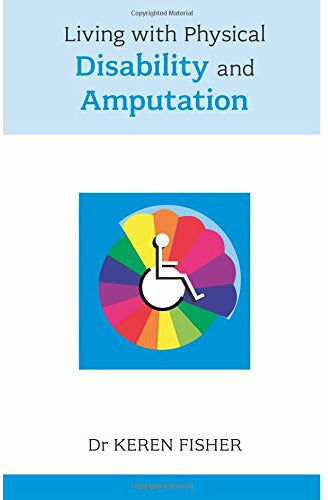
SPCK Living with Physical Disability and Amputation by Keren FisherAccording to the Department of Health, there are 8.7 million physically disabled people in the UK. Of these, some 460,000 people have spinal cord injuries and/or amputations. Acquiring a disability brings specific problems, not just in terms of confidence, self-esteem, and adapting to a new physical reality, but of the recognized medical phenomenon of limb disconnection, which involves a mismatch between the brain's actual representation of the body shape and its physical appearance. There is plenty of mythology around 'phantom limbs' and similar, but this book takes an evidence-based look at the reality, and uses cognitive behavioural therapy and other methods to deal with it.9,99 £*Shipping: 2,99 £Secure redirect to the provider
-
John Murray Business Coaching For Performance 6th Edition: The Principles And Practice Of Coaching And Leadership - Non FictionTitle:. Coaching For Performance 6th Edition: The Principles And Practice Of Coaching And Leadership Overview:. Unlock the full potential of your team with this essential guide to professional coaching. John Whitmore’s text delivers a clear roadmap for improving results. You will learn to ask powerful questions that spark independent thinking. The pages walk you through real-world scenarios to build trust. Every chapter offers actionable steps to foster accountability. You discover how to balance high expectations with genuine support. This updated guide keeps core principles sharp for modern workplaces. It bridges the gap between theory and daily practice. You gain the tools to navigate complex conversations confidently. Your leadership journey starts with a structured path forward. This authoritative text transforms how you approach daily challenges. You stop guessing and start implementing proven methodologies. Your conversations become less stressful and far more productive. What Makes This Book Stand Out:. What sets this title apart is its laser focus on human potential. Instead of offering generic advice, it teaches you how to ignite internal motivation. The widely recognised GROW framework serves as a reliable backbone for every session. You receive concrete techniques for managing resistance at work. The writing remains direct and accessible. You get deep insight into psychological barriers that limit growth. Each lesson connects back to measurable outcomes. This approach cultivates a culture where feedback feels genuinely supportive. You keep returning to its pages for consistent leadership habits. The practical exercises help you track progress without getting bogged down. You watch reluctant employees transform into proactive problem solvers. Managing becomes easier when you shift from telling to asking. Who This Book Is Perfect For:. Managers looking to avoid micromanagement will find immediate value in these pages. Business owners apply these strategies to accelerate team productivity quickly. Human resources professionals appreciate the clear guidelines for one-to-one meetings. Aspiring life coaches benefit from the foundational psychological groundwork. Students studying organisational psychology recognize this as a crucial reference point. Anyone who guides others forward can sharpen their interpersonal skills daily. The guidance works equally well for managing remote or hybrid teams.. You do not need prior training to implement these tactics successfully. The logical structure allows you to dip in for current solutions. Corporate training coordinators frequently adopt this manual as their primary classroom resource. Senior executives use it to recalibrate boardroom dynamics and drive alignment. Key Highlights:. Empowerment Strategy: Learn to replace directives with questions that unlock employee decision-making.. GROW Framework: Master a four-step system for structuring productive development conversations.. Psychological...24,99 £*Shipping: 2,99 £Secure redirect to the provider
-
The Readers Paradise Enhancing Your Leadership Skills: A Practical Handbook for Success by Prof. V.K.Simon - Non Fiction Paperback - Leadership & Professional DevelopmentEnhance your leadership skills with this practical handbook by Prof. V.K.Simon. Written for anyone looking to lead with confidence and clarity, it blends self-awareness, emotional intelligence, and real-world strategy to help you achieve success. Whether you're a first-time manager or a seasoned executive, this compact guide delivers tools to strengthen decision-making, communication, and team impact in a fast-changing global workplace. It's built around the idea that great leadership is learned through practice, not theory alone, and covers the core competencies every effective leader needs, starting with self-awareness and emotional intelligence.2,99 £*Shipping: 2,99 £Secure redirect to the provider
-
Is learning disability also a disability?
Yes, learning disability is also considered a disability. It is a neurological condition that can affect a person's ability to process, understand, and retain information. Individuals with learning disabilities may face challenges in areas such as reading, writing, math, and organization. It is important to recognize and support individuals with learning disabilities to ensure they have equal access to education and opportunities. **
-
Does learning disability belong to disability?
Yes, learning disability belongs to the category of disabilities. It is a condition that affects a person's ability to process, understand, and retain information. Individuals with learning disabilities may struggle with reading, writing, math, or other cognitive skills. Therefore, learning disability is recognized as a type of disability that can impact a person's educational and professional opportunities. **
-
Does learning disability belong to severe disability?
Learning disability is not typically considered a severe disability on its own. While it can significantly impact a person's ability to learn and process information, it does not necessarily affect their physical functioning or independence in the same way that severe disabilities do. However, individuals with learning disabilities may also have other co-occurring conditions that could be considered severe disabilities, such as intellectual disabilities or physical impairments. Therefore, the classification of learning disability as a severe disability may depend on the specific circumstances and individual needs of the person in question. **
-
What is the difference between disability-friendly and disability-accessible?
Disability-friendly means that a space or environment is designed in a way that is welcoming and accommodating to individuals with disabilities, taking into consideration their needs and preferences. On the other hand, disability-accessible refers to the physical infrastructure and features that allow individuals with disabilities to navigate and use a space effectively, such as ramps, elevators, and wide doorways. While disability-friendly focuses on creating a supportive and inclusive atmosphere, disability-accessible emphasizes the practical aspects of ensuring equal access and opportunities for individuals with disabilities. **
Similar search terms for Disability
-
Ludonova Coming of Age - Story-driven Development Dice Management Game - Board GameIn Coming of Age, players guide a character from childhood through adolescence, making choices that shape their interests, skills, personality, and future ambitions. Each player begins with a limited range of interests and abilities, then develops through experiences encountered during the game. Use a dice-management mechanism to decide where to go and which opportunities to pursue. Visits around the city introduce new experiences, while interactions and personal decisions influence the traits recorded on your individual player board. Along the way, you will form memories, make friends, fall in love, and learn to handle setbacks. The aim is to fulfill personal life goals by balancing development, independence, and the experiences that define your character. Parental support is important early in the journey, but your choices gradually open up new possibilities as you grow.45,99 £*Shipping: 3,95 £Secure redirect to the provider
-
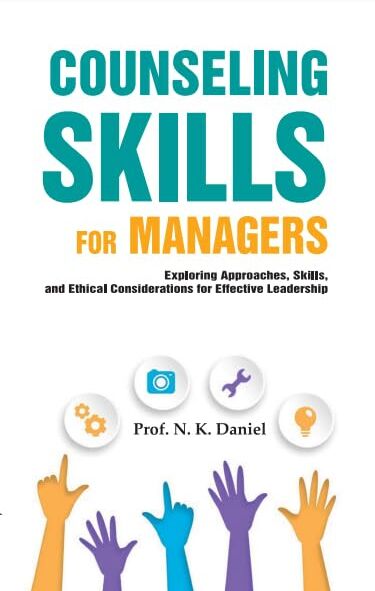
The Readers Paradise Counseling Skills For Managers by Prof. N.K. Daniel - Paperback - Leadership, Coaching & Workplace Ethics Guide for Managers and HR ProfessionalsCounseling Skills For Managers is a practical guide that helps leaders develop essential counseling skills for the workplace. Written for managers, team leads, HR professionals, and aspiring executives, it covers foundational counseling theory and its strategic application in corporate settings. The book teaches readers how to listen with empathy, structure coaching conversations, resolve role conflicts, and support colleagues through change and difficulty, all while maintaining clear ethical boundaries. This guide is a valuable addition to any professional development or leadership library, offering a unique blend of psychology and management principles in an accessible format.2,99 £*Shipping: 2,99 £Secure redirect to the provider
-
What is the difference between intellectual disability and learning disability?
Intellectual disability refers to limitations in intellectual functioning and adaptive behavior, which can affect a person's ability to learn and function independently. It is typically diagnosed before the age of 18 and can result in significant limitations in cognitive and adaptive skills. On the other hand, learning disabilities refer to specific difficulties in acquiring and using skills in reading, writing, math, or other academic areas. These difficulties are not primarily due to intellectual disabilities, sensory impairments, or other factors, and individuals with learning disabilities often have average or above-average intelligence. In summary, the main difference between intellectual disability and learning disability is that intellectual disability involves limitations in overall intellectual functioning and adaptive behavior, while learning disabilities are specific difficulties in certain academic areas. **
-
What is worse: intellectual disability, mental illness, or physical disability?
It is not appropriate to compare the severity of different types of disabilities as each individual's experience is unique and complex. Intellectual disability, mental illness, and physical disability all present their own challenges and impact individuals in different ways. It is important to approach each person with empathy, understanding, and support, regardless of the type of disability they may have. Instead of comparing disabilities, it is more important to focus on creating inclusive and supportive environments for all individuals. **
-
Why do people receive a disability pension due to a disability?
People receive a disability pension due to a disability because their disability may prevent them from being able to work and earn a living. Disabilities can limit a person's physical or mental abilities, making it difficult for them to perform the tasks required for employment. In these cases, a disability pension provides financial support to help cover living expenses and medical costs. It is a way to ensure that individuals with disabilities can maintain a certain standard of living despite their inability to work. **
-
What is communication disability?
Communication disability refers to any condition that affects a person's ability to communicate effectively. This can include difficulties with speech, language, hearing, or understanding. Communication disabilities can be caused by a variety of factors such as developmental disorders, neurological conditions, or physical impairments. Individuals with communication disabilities may require alternative methods of communication, such as sign language, communication devices, or speech therapy, to help them effectively express themselves and interact with others. **
* All prices are inclusive of VAT and, if applicable, plus shipping costs. The offer information is based on the details provided by the respective shop and is updated through automated processes. Real-time updates do not occur, so deviations can occur in individual cases. ** Note: Parts of this content were created by AI.