Buy aefca.eu ?
We are moving the project
aefca.eu .
Are you interested in purchasing the domain
aefca.eu ?
domain@kv-gmbh.de · 0541-91531010
Buy aefca.eu ?
Which upbringing factors favor a neurotic development?
Several factors in upbringing can favor a neurotic development, including inconsistent or harsh parenting, neglect, abuse, and exposure to chronic stress or trauma. Children who grow up in environments where their emotional needs are not consistently met, or where they experience unpredictable or threatening situations, are more likely to develop neurotic tendencies. Additionally, overprotective or controlling parenting styles can also contribute to the development of neurotic traits, as they may inhibit a child's ability to develop healthy coping mechanisms and resilience. **
What do push factors and pull factors mean?
Push factors are circumstances that force individuals to leave their current location, such as poverty, political instability, or lack of job opportunities. Pull factors, on the other hand, are conditions that attract individuals to a new location, such as better job prospects, higher quality of life, or political stability. Both push and pull factors play a significant role in influencing migration patterns and decisions. **


Similar search terms for Factors
Top-Angebote
Products related to Factors:
-
Perfect Picks Market Geometric Building Blocks Set For Kids Early Education Intelligence Development Toy Geometric Building Blocks Set For Kids Early Education Intelligence Development ToyUnlock your child's potential with this early education equipment designed to stimulate creativity and intelligence! This geometric set is the perfect building block toy for boys, helping to develop problemsolving skills while having fun. The...35,97 $*Shipping: 0,00 $Secure redirect to the provider
-
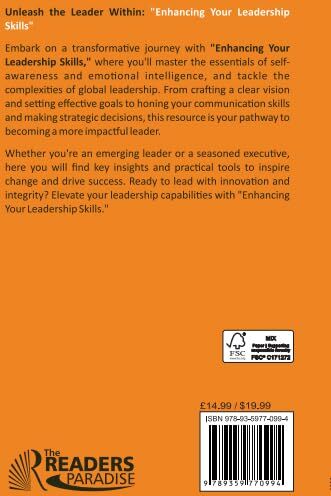
The Readers Paradise Enhancing Your Leadership Skills: A Practical Handbook for Success by Prof. V.K.Simon - Non Fiction Paperback - Leadership & Professional DevelopmentEnhance your leadership skills with this practical handbook by Prof. V.K.Simon. Written for anyone looking to lead with confidence and clarity, it blends self-awareness, emotional intelligence, and real-world strategy to help you achieve success. Whether you're a first-time manager or a seasoned executive, this compact guide delivers tools to strengthen decision-making, communication, and team impact in a fast-changing global workplace. It's built around the idea that great leadership is learned through practice, not theory alone, and covers the core competencies every effective leader needs, starting with self-awareness and emotional intelligence.2,99 £*Shipping: 2,99 £Secure redirect to the provider
-
Various Publishers How to Talk to Anyone, Next Conversation & Psychology of Management - 3 Book Paperback Set - Communication, Leadership & Management PsychologyThis 3-book collection set brings together three practical, people-focused reads for anyone who wants to communicate better and lead more effectively. Leil Lowndes' classic 'How to Talk to Anyone' pairs with Jefferson Fisher's 'Next Conversation' and a foundational 'Psychology of Management' title to cover everyday conversation, conflict resolution, and workplace psychology in one bundle. Whether you are prepping for interviews, managing a team, or simply want to feel more confident in social situations, this paperback set offers accessible, actionable guidance you can start using immediately. The set includes 'How to Talk to Anyone' by Leil Lowndes, 'Next Conversation' by Jefferson Fisher, and 'Psychology of Management'.20,99 £*Shipping: 2,99 £Secure redirect to the provider
-
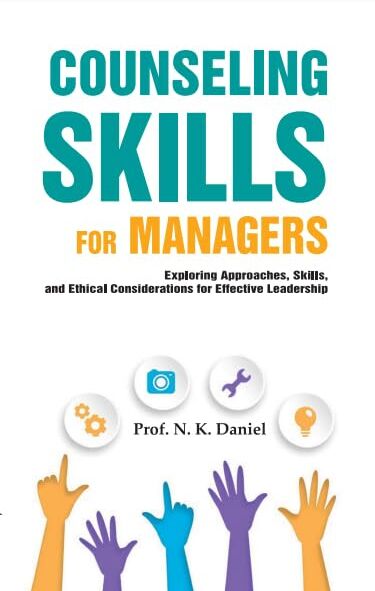
The Readers Paradise Counseling Skills For Managers by Prof. N.K. Daniel - Paperback - Leadership, Coaching & Workplace Ethics Guide for Managers and HR ProfessionalsCounseling Skills For Managers is a practical guide that helps leaders develop essential counseling skills for the workplace. Written for managers, team leads, HR professionals, and aspiring executives, it covers foundational counseling theory and its strategic application in corporate settings. The book teaches readers how to listen with empathy, structure coaching conversations, resolve role conflicts, and support colleagues through change and difficulty, all while maintaining clear ethical boundaries. This guide is a valuable addition to any professional development or leadership library, offering a unique blend of psychology and management principles in an accessible format.2,99 £*Shipping: 2,99 £Secure redirect to the provider


-
What are the factors inhibiting and promoting development in Angola?
In Angola, factors inhibiting development include a history of political instability and corruption, which have hindered economic growth and investment. Additionally, the reliance on oil exports has made the economy vulnerable to fluctuations in global oil prices. Poor infrastructure, limited access to education and healthcare, and a high poverty rate also contribute to the challenges facing development in Angola. On the other hand, factors promoting development in Angola include the country's rich natural resources, such as oil, diamonds, and other minerals, which have the potential to drive economic growth if managed effectively. Efforts to diversify the economy, improve governance, and invest in infrastructure and human capital are also key factors that can help promote development in Angola. Additionally, the country's strategic location and potential for regional trade and investment present opportunities for growth and development. **
-
To which factors do biotic and abiotic factors belong?
Biotic factors belong to living organisms such as plants, animals, fungi, and bacteria, while abiotic factors belong to non-living elements such as temperature, water, sunlight, soil, and air. Both biotic and abiotic factors play crucial roles in shaping ecosystems and influencing the distribution and abundance of species within those ecosystems. They interact with each other to create complex and dynamic environments. **
-
What location factors can be mentioned for the development of cities?
Several location factors can be mentioned for the development of cities, including proximity to natural resources, access to transportation networks, availability of labor, and favorable climate conditions. Additionally, the presence of educational and healthcare facilities, as well as cultural and recreational amenities, can also contribute to the development of cities. Furthermore, government policies and regulations, as well as historical and cultural significance, can also play a role in the development of cities. **
-
What role do genetic factors play in the development of depression?
Genetic factors are thought to play a significant role in the development of depression. Research has shown that individuals with a family history of depression are at a higher risk of developing the condition themselves. Studies have also identified specific genes that may be associated with an increased susceptibility to depression. However, it's important to note that genetics are just one piece of the puzzle, and environmental factors and life experiences also play a crucial role in the development of depression. **


What disadvantages in the education sector can factors lead to?
Factors such as lack of funding, inadequate resources, outdated curriculum, and teacher shortages can lead to several disadvantages in the education sector. These factors can result in limited access to quality education, lower academic performance, decreased student engagement, and disparities in educational opportunities. Additionally, they can contribute to a widening achievement gap between students from different socioeconomic backgrounds and hinder overall student success and development. **
What is the difference between density-independent factors and abiotic factors?
Density-independent factors are environmental factors that affect a population regardless of its size or density, such as natural disasters or climate change. Abiotic factors, on the other hand, are non-living components of an ecosystem that can influence the survival and growth of organisms, such as temperature, sunlight, and soil composition. While density-independent factors can include abiotic factors, abiotic factors encompass a broader range of non-living elements that can impact an ecosystem. **
Top-Angebote
Products related to Factors:
-
Revuele Glowify Grow Younger Power Serum Growth Factors firming facial serum 30 mlRevuele Glowify Grow Younger Power Serum Growth Factors, 30 ml, Skin Serums for Women, Does it feel as though your skin needs something more than just the care provided by a cream? The Revuele Glowify Grow Younger Power Serum Growth Factors facial serum is the perfect product to enrich your skincare routine – it pampers the skin and delivers an intensive treatment. With its high concentration of active ingredients, the effect it has on your skin is far more pronounced and faster than with a face cream. Its liquid consistency makes application easier, as it is absorbed into the skin very well. Characteristics: helps to smooth out wrinkles and fine lines firms the facial contours restores freshness and youthful beauty to your skin helps remove signs of skin ageing smoothes out uneven skin texture promotes collagen production Ingredients: vegan product hyaluronic acid – binds large quantities of water and hydrates intensively collagen – binds a large amount of water, keeping skin hydrated for a long time, and thus promotes a youthful, full and elastic appearance of skin and a reduction in the visibility of wrinkles panthenol – has a hydrating and soothing effect, relieves irritation, redness, dryness and discomfort How to use: Dab an appropriate amount of the serum gently into clean skin with your fingertips. Continue with your favourite day/night care products.3,06 £*Shipping: 3,99 £Secure redirect to the provider
-
Macmillan Business How Big Things Get Done: The Surprising Factors Behind Every Successful Project, from Home Renovations to Space ExplorationHow Big Things Get Done: The Surprising Factors Behind Every Successful Project, from Home Renovations to Space Exploration Nothing is more inspiring than a big vision that becomes a triumphant new reality. Think of how Apple’s iPod went from a project with a single employee to an enormously successful product launch in eleven months. But such successes are the exception. Consider how London’s Crossrail project delivered five years late and billions over budget. More modest endeavours, whether launching a small business, organizing a conference, or just finishing a work project on time, also commonly fail. Why? Understanding what distinguishes the triumphs from the failures has been the life’s work of Oxford professor Bent Flyvbjerg. In How Big Things Get Done, he identifies the errors that lead projects to fail, and the research-based principles that will make yours succeed: Understand your odds. If you don’t know them, you won’t win. Plan slow, act fast. Getting to the action quick feels right. But it’s wrong. Think right to left. Start with your goal, then identify the steps to get there. Find your Lego. Big is best built from small. Master the unknown unknowns. Most think they can’t, so they fail. Flyvbjerg shows how you can. Full of vivid examples ranging from the building of the Sydney Opera House to the making of the latest Pixar blockbusters, How Big Things Get Done reveals how to get any ambitious project done – on time and on budget.2,99 £*Shipping: 1,99 £Secure redirect to the provider
-
Perfect Picks Market Geometric Building Blocks Set For Kids Early Education Intelligence Development Toy Geometric Building Blocks Set For Kids Early Education Intelligence Development ToyUnlock your child's potential with this early education equipment designed to stimulate creativity and intelligence! This geometric set is the perfect building block toy for boys, helping to develop problemsolving skills while having fun. The...35,97 $*Shipping: 0,00 $Secure redirect to the provider
-
The Readers Paradise Enhancing Your Leadership Skills: A Practical Handbook for Success by Prof. V.K.Simon - Non Fiction Paperback - Leadership & Professional DevelopmentEnhance your leadership skills with this practical handbook by Prof. V.K.Simon. Written for anyone looking to lead with confidence and clarity, it blends self-awareness, emotional intelligence, and real-world strategy to help you achieve success. Whether you're a first-time manager or a seasoned executive, this compact guide delivers tools to strengthen decision-making, communication, and team impact in a fast-changing global workplace. It's built around the idea that great leadership is learned through practice, not theory alone, and covers the core competencies every effective leader needs, starting with self-awareness and emotional intelligence.2,99 £*Shipping: 2,99 £Secure redirect to the provider
-
Which upbringing factors favor a neurotic development?
Several factors in upbringing can favor a neurotic development, including inconsistent or harsh parenting, neglect, abuse, and exposure to chronic stress or trauma. Children who grow up in environments where their emotional needs are not consistently met, or where they experience unpredictable or threatening situations, are more likely to develop neurotic tendencies. Additionally, overprotective or controlling parenting styles can also contribute to the development of neurotic traits, as they may inhibit a child's ability to develop healthy coping mechanisms and resilience. **
-
What do push factors and pull factors mean?
Push factors are circumstances that force individuals to leave their current location, such as poverty, political instability, or lack of job opportunities. Pull factors, on the other hand, are conditions that attract individuals to a new location, such as better job prospects, higher quality of life, or political stability. Both push and pull factors play a significant role in influencing migration patterns and decisions. **
-
What are the factors inhibiting and promoting development in Angola?
In Angola, factors inhibiting development include a history of political instability and corruption, which have hindered economic growth and investment. Additionally, the reliance on oil exports has made the economy vulnerable to fluctuations in global oil prices. Poor infrastructure, limited access to education and healthcare, and a high poverty rate also contribute to the challenges facing development in Angola. On the other hand, factors promoting development in Angola include the country's rich natural resources, such as oil, diamonds, and other minerals, which have the potential to drive economic growth if managed effectively. Efforts to diversify the economy, improve governance, and invest in infrastructure and human capital are also key factors that can help promote development in Angola. Additionally, the country's strategic location and potential for regional trade and investment present opportunities for growth and development. **
-
To which factors do biotic and abiotic factors belong?
Biotic factors belong to living organisms such as plants, animals, fungi, and bacteria, while abiotic factors belong to non-living elements such as temperature, water, sunlight, soil, and air. Both biotic and abiotic factors play crucial roles in shaping ecosystems and influencing the distribution and abundance of species within those ecosystems. They interact with each other to create complex and dynamic environments. **
Similar search terms for Factors
-
Various Publishers How to Talk to Anyone, Next Conversation & Psychology of Management - 3 Book Paperback Set - Communication, Leadership & Management PsychologyThis 3-book collection set brings together three practical, people-focused reads for anyone who wants to communicate better and lead more effectively. Leil Lowndes' classic 'How to Talk to Anyone' pairs with Jefferson Fisher's 'Next Conversation' and a foundational 'Psychology of Management' title to cover everyday conversation, conflict resolution, and workplace psychology in one bundle. Whether you are prepping for interviews, managing a team, or simply want to feel more confident in social situations, this paperback set offers accessible, actionable guidance you can start using immediately. The set includes 'How to Talk to Anyone' by Leil Lowndes, 'Next Conversation' by Jefferson Fisher, and 'Psychology of Management'.20,99 £*Shipping: 2,99 £Secure redirect to the provider
-
The Readers Paradise Counseling Skills For Managers by Prof. N.K. Daniel - Paperback - Leadership, Coaching & Workplace Ethics Guide for Managers and HR ProfessionalsCounseling Skills For Managers is a practical guide that helps leaders develop essential counseling skills for the workplace. Written for managers, team leads, HR professionals, and aspiring executives, it covers foundational counseling theory and its strategic application in corporate settings. The book teaches readers how to listen with empathy, structure coaching conversations, resolve role conflicts, and support colleagues through change and difficulty, all while maintaining clear ethical boundaries. This guide is a valuable addition to any professional development or leadership library, offering a unique blend of psychology and management principles in an accessible format.2,99 £*Shipping: 2,99 £Secure redirect to the provider
-
Pan Macmillan Radical Candor by Kim Scott The Bestselling Leadership Book - Management, Feedback & Workplace Culture BookRadical Candor by Kim Scott is a groundbreaking leadership and communication guide that teaches how to give feedback effectively, build trust, and create high-performing teams without becoming harsh—or avoiding difficult conversations. Based on Scott’s experience at Google, Apple and Silicon Valley startups, Radical Candor introduces a simple but powerful framework built on two pillars: Care Personally Challenge Directly The book provides practical tools for giving honest feedback, fostering open communication, strengthening working relationships, and becoming a more compassionate and impactful leader. Perfect for managers, team leaders, HR professionals, and anyone wanting to build a healthy, productive workplace culture. Radical Candor is the perfect handbook for those who are looking to find meaning in their job and create an environment where people love both their work and their colleagues, and are motivated to strive to ever greater success.2,99 £*Shipping: 1,99 £Secure redirect to the provider
-
Saltfjord Strategic Board Game by Aporta Games, Dice Drafting, Village Development, and Resource ManagementBuild a fishing village in northern Norway with Saltfjord, a strategic board game set at the end of the 19th century. Players develop their own settlement while making careful decisions about resources, buildings, trade, and technology. Use dice drafting to determine the actions available to you, then send your boat out to gather fish and expand the prosperity of your village. Construct new buildings, improve your capabilities, and discover technologies that can make everyday life more efficient. The game draws inspiration from the dice-drafting mechanisms of Santa Maria, while introducing its own setting, systems, and expanded gameplay. Each decision contributes to the direction of your settlement, giving players several ways to pursue success.43,89 £*Shipping: 1,99 £Secure redirect to the provider
-
What location factors can be mentioned for the development of cities?
Several location factors can be mentioned for the development of cities, including proximity to natural resources, access to transportation networks, availability of labor, and favorable climate conditions. Additionally, the presence of educational and healthcare facilities, as well as cultural and recreational amenities, can also contribute to the development of cities. Furthermore, government policies and regulations, as well as historical and cultural significance, can also play a role in the development of cities. **
-
What role do genetic factors play in the development of depression?
Genetic factors are thought to play a significant role in the development of depression. Research has shown that individuals with a family history of depression are at a higher risk of developing the condition themselves. Studies have also identified specific genes that may be associated with an increased susceptibility to depression. However, it's important to note that genetics are just one piece of the puzzle, and environmental factors and life experiences also play a crucial role in the development of depression. **
-
What disadvantages in the education sector can factors lead to?
Factors such as lack of funding, inadequate resources, outdated curriculum, and teacher shortages can lead to several disadvantages in the education sector. These factors can result in limited access to quality education, lower academic performance, decreased student engagement, and disparities in educational opportunities. Additionally, they can contribute to a widening achievement gap between students from different socioeconomic backgrounds and hinder overall student success and development. **
-
What is the difference between density-independent factors and abiotic factors?
Density-independent factors are environmental factors that affect a population regardless of its size or density, such as natural disasters or climate change. Abiotic factors, on the other hand, are non-living components of an ecosystem that can influence the survival and growth of organisms, such as temperature, sunlight, and soil composition. While density-independent factors can include abiotic factors, abiotic factors encompass a broader range of non-living elements that can impact an ecosystem. **
* All prices are inclusive of VAT and, if applicable, plus shipping costs. The offer information is based on the details provided by the respective shop and is updated through automated processes. Real-time updates do not occur, so deviations can occur in individual cases. ** Note: Parts of this content were created by AI.