Buy aefca.eu ?
We are moving the project
aefca.eu .
Are you interested in purchasing the domain
aefca.eu ?
domain@kv-gmbh.de · 0541-91531010
Buy aefca.eu ?
How is liquidity influenced?
Liquidity is influenced by various factors such as interest rates, market demand, and the overall economic environment. When interest rates are low, it becomes easier for businesses and individuals to borrow money, increasing liquidity. Market demand for certain assets or securities can also impact liquidity, as high demand can lead to increased trading and liquidity in those assets. Additionally, the overall economic environment, including factors such as inflation, unemployment, and consumer confidence, can influence liquidity by affecting spending and investment behavior. **
What does profitability and liquidity mean? What does the liquidity ratio indicate?
Profitability refers to a company's ability to generate profit from its operations, while liquidity refers to its ability to meet short-term financial obligations. Profitability is often measured using metrics such as net income, return on investment, or profit margin, while liquidity is measured using metrics such as the current ratio or quick ratio. The liquidity ratio indicates a company's ability to pay off its short-term debts using its short-term assets. It is calculated by dividing the company's current assets by its current liabilities, and a higher ratio indicates better liquidity. **


Similar search terms for Liquidity
Top-Angebote
Products related to Liquidity:
-
Penguin/Pan Macmillan Designing Your Life, Radical Candor and Quiet 3 Books Collection Set Personal Development, Leadership, Career Success & Self ImprovementDesigning Your Life, Radical Candor and Quiet 3 Books Collection Set Designing Your Life by Bill Burnett & Dave Evans Stanford innovators Bill Burnett and Dave Evans show us how design thinking can help us create a life that is both meaningful and fulfilling, regardless of who and where we are, our careers and our age. Designing Your Life puts forward the idea that the same design thinking responsible for amazing technology, products and spaces can be used to build towards a better life and career by a design of your own making. Radical Candor by Kim Scott Radical Candor by Kim Scott is a groundbreaking leadership and communication guide that teaches how to give feedback effectively, build trust, and create high-performing teams without becoming harsh—or avoiding difficult conversations. Based on Scott’s experience at Google, Apple and Silicon Valley startups, Radical Candor introduces a simple but powerful framework built on two pillars: Care Personally Challenge Directly The book provides practical tools for giving honest feedback, fostering open communication, strengthening working relationships, and becoming a more compassionate and impactful leader. Quiet by Susan Cain Quiet, the Sunday Times and New York Times Bestseller by Susan Cain, will permanently change how we see introverts - and how you see yourself. Our lives are driven by a fact most of us cant name and dont understand: whether were an introvert or an extrovert. This defines who our friends and lovers are, which careers we choose, and whether we blush when were embarrassed. At least a third of us are on the introverted side. Some of the worlds most talented people are introverts. Without them, we wouldnt have the Apple computer, the theory of relativity and Van Goghs sunflowers.16,99 £*Shipping: 2,99 £Secure redirect to the provider
-
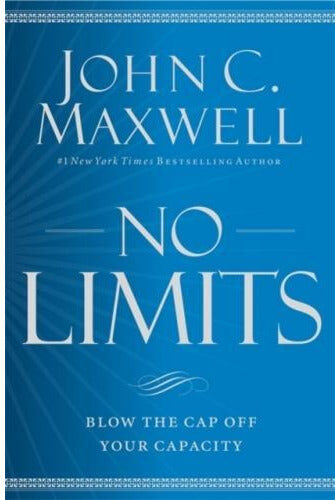
Little Brown Book Group No Limits: Blow the Cap Off Your Capacity by John C. Maxwell – Personal Growth & Leadership Development GuideNo Limits: Blow the CAP Off Your Capacity Description We often treat the word capacity as if it were a natural law of limitation. Unfortunately; most of us are much more comfortable defining what we perceive is off limits rather than what's possible. Could it be that many people have allowed what they perceive as capacity to define them? Have they allowed their perception to limit their attitudes about their potential? In his newest book; John Maxwell identifies 17 core capacities. Some of these are abilities we all already possess; such as energy; creativity and leadership. Others are aspects of our lives controlled by our choices; like our attitudes; character; and intentionality. Maxwell examines each of these 17 capacities; and provides clear and actionable advice on how you can increase your potential in each. He will guide you on how to identify; grow; and apply your critical capacities to your daily life. Once you've blown the 'cap' off your capacities; you'll find yourself more successful--and fulfilled--in your daily life.5,99 £*Shipping: 2,99 £Secure redirect to the provider
-
Harvard Business Review Press Harvard Business Review HBR’s 10 Must Reads 5 Book Collection Set – Essential Business, Leadership & Management GuidesHBR's 10 Must Reads 5 Books Collection Set Description On Emotional Intelligence If you read nothing else on emotional intelligence; read these 10 articles by experts in the field. We euro; ve combed through hundreds of articles in the Harvard Business Review archive and selected the most important ones to help you boost your emotional skills euro; and your professional success. Mental Toughness If you read nothing else on mental toughness; read these ten articles by experts in the field. We've combed through hundreds of articles in the Harvard Business Review archive and selected the most important ones to help you build your emotional strength and resilience--and to achieve high performance. The Essentials Change is the one constant in business; and we must adapt or face obsolescence. Yet certain challenges never go away. That's what makes this book 'must read.' These are the 10 seminal articles by management's most influential experts; on topics of perennial concern to ambitious managers and leaders hungry for inspiration--and ready to run with big ideas to accelerate their own and their companies' success. Change Management If you read nothing else on change management; read these 10 articles (featuring 'Leading Change; euro; by John P. Kotter). We've combed through hundreds of Harvard Business Review articles and selected the most important ones to help you spearhead change in your organization. Strategy If you read nothing else on strategy; read these 10 articles (featuring 'What Is Strategy? euro; by Michael E. Porter). We've combed through hundreds of Harvard Business Review articles and selected the most important ones to help you catalyze your organization's strategy development and execution.37,98 £*Shipping: 0,00 £Secure redirect to the provider



-
What does liquidity burden mean?
Liquidity burden refers to the financial strain or pressure that arises when an individual or organization does not have enough readily available cash or assets to meet their short-term financial obligations. This can lead to difficulties in paying bills, servicing debt, or covering unexpected expenses. In extreme cases, liquidity burden can result in insolvency or bankruptcy if not managed effectively. It is important for individuals and businesses to maintain sufficient liquidity to ensure they can meet their financial obligations as they arise. **
-
What does liquidity strain mean?
Liquidity strain refers to a situation where a company or financial institution does not have enough liquid assets to meet its short-term financial obligations. This can lead to difficulties in paying off debts, meeting operational expenses, or fulfilling other financial commitments. Liquidity strain can result in a cash crunch, which may require the entity to seek additional funding or take other measures to improve its cash flow and financial stability. It is important for organizations to closely monitor their liquidity position to avoid potential liquidity strains. **
-
What is a liquidity advantage?
A liquidity advantage refers to the ability of an individual or organization to quickly convert assets into cash without incurring significant costs or losses. This advantage allows for greater flexibility in managing financial needs and taking advantage of investment opportunities. Having a liquidity advantage can provide a sense of security and stability, as it ensures the ability to meet short-term financial obligations and take advantage of favorable market conditions. Overall, a liquidity advantage can provide a competitive edge in managing financial resources effectively. **
-
How do I calculate the liquidity 2nd grade?
To calculate liquidity in 2nd grade, you can start by introducing the concept of money and its different forms such as coins and bills. Then, you can explain the idea of being able to easily spend or use the money, which is known as liquidity. You can use simple examples such as having a $1 bill versus having 100 pennies, and discuss which one is easier to use for buying things. Encourage the students to think about which form of money is more liquid and why. This can help them understand the basic concept of liquidity in a simple and relatable way. **

What is the meaning of liquidity or Liquidität?
Liquidity, or Liquidität in German, refers to the ease with which an asset or security can be bought or sold in the market without causing a significant change in its price. It is a measure of how quickly an asset can be converted into cash without affecting its market value. High liquidity means that an asset can be easily bought or sold, while low liquidity means that it may be more difficult to find a buyer or seller for the asset. In the context of financial markets, liquidity is an important factor in determining the efficiency and stability of the market. **
What is the conflict between liquidity and capital commitment?
The conflict between liquidity and capital commitment arises from the need to balance the availability of funds for immediate needs with the long-term investment in assets. Liquidity refers to the ability to quickly access cash or assets that can be easily converted into cash, while capital commitment involves tying up funds in long-term investments or projects. Striking the right balance between maintaining sufficient liquidity to cover short-term obligations and committing capital to long-term investments is crucial for financial stability and growth. Failing to manage this conflict effectively can lead to cash flow problems or missed investment opportunities. **
Top-Angebote
Products related to Liquidity:
-
Perfect Picks Market Geometric Building Blocks Set For Kids Early Education Intelligence Development Toy Geometric Building Blocks Set For Kids Early Education Intelligence Development ToyUnlock your child's potential with this early education equipment designed to stimulate creativity and intelligence! This geometric set is the perfect building block toy for boys, helping to develop problemsolving skills while having fun. The...35,97 $*Shipping: 0,00 $Secure redirect to the provider
-
Pan Macmillan Radical Candor by Kim Scott The Bestselling Leadership Book - Management, Feedback & Workplace Culture BookRadical Candor by Kim Scott is a groundbreaking leadership and communication guide that teaches how to give feedback effectively, build trust, and create high-performing teams without becoming harsh—or avoiding difficult conversations. Based on Scott’s experience at Google, Apple and Silicon Valley startups, Radical Candor introduces a simple but powerful framework built on two pillars: Care Personally Challenge Directly The book provides practical tools for giving honest feedback, fostering open communication, strengthening working relationships, and becoming a more compassionate and impactful leader. Perfect for managers, team leaders, HR professionals, and anyone wanting to build a healthy, productive workplace culture. Radical Candor is the perfect handbook for those who are looking to find meaning in their job and create an environment where people love both their work and their colleagues, and are motivated to strive to ever greater success.2,99 £*Shipping: 1,99 £Secure redirect to the provider
-
Penguin/Pan Macmillan Designing Your Life, Radical Candor and Quiet 3 Books Collection Set Personal Development, Leadership, Career Success & Self ImprovementDesigning Your Life, Radical Candor and Quiet 3 Books Collection Set Designing Your Life by Bill Burnett & Dave Evans Stanford innovators Bill Burnett and Dave Evans show us how design thinking can help us create a life that is both meaningful and fulfilling, regardless of who and where we are, our careers and our age. Designing Your Life puts forward the idea that the same design thinking responsible for amazing technology, products and spaces can be used to build towards a better life and career by a design of your own making. Radical Candor by Kim Scott Radical Candor by Kim Scott is a groundbreaking leadership and communication guide that teaches how to give feedback effectively, build trust, and create high-performing teams without becoming harsh—or avoiding difficult conversations. Based on Scott’s experience at Google, Apple and Silicon Valley startups, Radical Candor introduces a simple but powerful framework built on two pillars: Care Personally Challenge Directly The book provides practical tools for giving honest feedback, fostering open communication, strengthening working relationships, and becoming a more compassionate and impactful leader. Quiet by Susan Cain Quiet, the Sunday Times and New York Times Bestseller by Susan Cain, will permanently change how we see introverts - and how you see yourself. Our lives are driven by a fact most of us cant name and dont understand: whether were an introvert or an extrovert. This defines who our friends and lovers are, which careers we choose, and whether we blush when were embarrassed. At least a third of us are on the introverted side. Some of the worlds most talented people are introverts. Without them, we wouldnt have the Apple computer, the theory of relativity and Van Goghs sunflowers.16,99 £*Shipping: 2,99 £Secure redirect to the provider
-
How is liquidity influenced?
Liquidity is influenced by various factors such as interest rates, market demand, and the overall economic environment. When interest rates are low, it becomes easier for businesses and individuals to borrow money, increasing liquidity. Market demand for certain assets or securities can also impact liquidity, as high demand can lead to increased trading and liquidity in those assets. Additionally, the overall economic environment, including factors such as inflation, unemployment, and consumer confidence, can influence liquidity by affecting spending and investment behavior. **
-
What does profitability and liquidity mean? What does the liquidity ratio indicate?
Profitability refers to a company's ability to generate profit from its operations, while liquidity refers to its ability to meet short-term financial obligations. Profitability is often measured using metrics such as net income, return on investment, or profit margin, while liquidity is measured using metrics such as the current ratio or quick ratio. The liquidity ratio indicates a company's ability to pay off its short-term debts using its short-term assets. It is calculated by dividing the company's current assets by its current liabilities, and a higher ratio indicates better liquidity. **
-
What does liquidity burden mean?
Liquidity burden refers to the financial strain or pressure that arises when an individual or organization does not have enough readily available cash or assets to meet their short-term financial obligations. This can lead to difficulties in paying bills, servicing debt, or covering unexpected expenses. In extreme cases, liquidity burden can result in insolvency or bankruptcy if not managed effectively. It is important for individuals and businesses to maintain sufficient liquidity to ensure they can meet their financial obligations as they arise. **
-
What does liquidity strain mean?
Liquidity strain refers to a situation where a company or financial institution does not have enough liquid assets to meet its short-term financial obligations. This can lead to difficulties in paying off debts, meeting operational expenses, or fulfilling other financial commitments. Liquidity strain can result in a cash crunch, which may require the entity to seek additional funding or take other measures to improve its cash flow and financial stability. It is important for organizations to closely monitor their liquidity position to avoid potential liquidity strains. **
Similar search terms for Liquidity
-
Little Brown Book Group No Limits: Blow the Cap Off Your Capacity by John C. Maxwell – Personal Growth & Leadership Development GuideNo Limits: Blow the CAP Off Your Capacity Description We often treat the word capacity as if it were a natural law of limitation. Unfortunately; most of us are much more comfortable defining what we perceive is off limits rather than what's possible. Could it be that many people have allowed what they perceive as capacity to define them? Have they allowed their perception to limit their attitudes about their potential? In his newest book; John Maxwell identifies 17 core capacities. Some of these are abilities we all already possess; such as energy; creativity and leadership. Others are aspects of our lives controlled by our choices; like our attitudes; character; and intentionality. Maxwell examines each of these 17 capacities; and provides clear and actionable advice on how you can increase your potential in each. He will guide you on how to identify; grow; and apply your critical capacities to your daily life. Once you've blown the 'cap' off your capacities; you'll find yourself more successful--and fulfilled--in your daily life.5,99 £*Shipping: 2,99 £Secure redirect to the provider
-
Harvard Business Review Press Harvard Business Review HBR’s 10 Must Reads 5 Book Collection Set – Essential Business, Leadership & Management GuidesHBR's 10 Must Reads 5 Books Collection Set Description On Emotional Intelligence If you read nothing else on emotional intelligence; read these 10 articles by experts in the field. We euro; ve combed through hundreds of articles in the Harvard Business Review archive and selected the most important ones to help you boost your emotional skills euro; and your professional success. Mental Toughness If you read nothing else on mental toughness; read these ten articles by experts in the field. We've combed through hundreds of articles in the Harvard Business Review archive and selected the most important ones to help you build your emotional strength and resilience--and to achieve high performance. The Essentials Change is the one constant in business; and we must adapt or face obsolescence. Yet certain challenges never go away. That's what makes this book 'must read.' These are the 10 seminal articles by management's most influential experts; on topics of perennial concern to ambitious managers and leaders hungry for inspiration--and ready to run with big ideas to accelerate their own and their companies' success. Change Management If you read nothing else on change management; read these 10 articles (featuring 'Leading Change; euro; by John P. Kotter). We've combed through hundreds of Harvard Business Review articles and selected the most important ones to help you spearhead change in your organization. Strategy If you read nothing else on strategy; read these 10 articles (featuring 'What Is Strategy? euro; by Michael E. Porter). We've combed through hundreds of Harvard Business Review articles and selected the most important ones to help you catalyze your organization's strategy development and execution.37,98 £*Shipping: 0,00 £Secure redirect to the provider
-
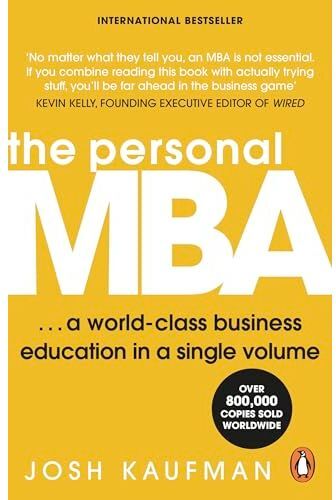
Penguin The Personal MBA: The bestselling business book containing you everything you need to know about marketing, management and leadershipARE YOU TEMPTED TO GO TO BUSINESS SCHOOL? SAVE YOUR MONEY AND READ THE PERSONAL MBA INSTEAD. This bestselling business classic gives you everything you need to transform your business and your career. An MBA at a top business school is an enormous investment in time and cash. And if you don't want to work for a consulting firm or an investment bank, the chances are it simply isn't worth it. The Personal MBA gives you simple mental models for every subject that's key to commercial success. From the basics of products and marketing to the nuances of teamwork and systems, this book distils everything you need to know to take on the MBA graduates and win.10,99 £*Shipping: 2,99 £Secure redirect to the provider
-
What is a liquidity advantage?
A liquidity advantage refers to the ability of an individual or organization to quickly convert assets into cash without incurring significant costs or losses. This advantage allows for greater flexibility in managing financial needs and taking advantage of investment opportunities. Having a liquidity advantage can provide a sense of security and stability, as it ensures the ability to meet short-term financial obligations and take advantage of favorable market conditions. Overall, a liquidity advantage can provide a competitive edge in managing financial resources effectively. **
-
How do I calculate the liquidity 2nd grade?
To calculate liquidity in 2nd grade, you can start by introducing the concept of money and its different forms such as coins and bills. Then, you can explain the idea of being able to easily spend or use the money, which is known as liquidity. You can use simple examples such as having a $1 bill versus having 100 pennies, and discuss which one is easier to use for buying things. Encourage the students to think about which form of money is more liquid and why. This can help them understand the basic concept of liquidity in a simple and relatable way. **
-
What is the meaning of liquidity or Liquidität?
Liquidity, or Liquidität in German, refers to the ease with which an asset or security can be bought or sold in the market without causing a significant change in its price. It is a measure of how quickly an asset can be converted into cash without affecting its market value. High liquidity means that an asset can be easily bought or sold, while low liquidity means that it may be more difficult to find a buyer or seller for the asset. In the context of financial markets, liquidity is an important factor in determining the efficiency and stability of the market. **
-
What is the conflict between liquidity and capital commitment?
The conflict between liquidity and capital commitment arises from the need to balance the availability of funds for immediate needs with the long-term investment in assets. Liquidity refers to the ability to quickly access cash or assets that can be easily converted into cash, while capital commitment involves tying up funds in long-term investments or projects. Striking the right balance between maintaining sufficient liquidity to cover short-term obligations and committing capital to long-term investments is crucial for financial stability and growth. Failing to manage this conflict effectively can lead to cash flow problems or missed investment opportunities. **
* All prices are inclusive of VAT and, if applicable, plus shipping costs. The offer information is based on the details provided by the respective shop and is updated through automated processes. Real-time updates do not occur, so deviations can occur in individual cases. ** Note: Parts of this content were created by AI.