Buy aefca.eu ?
We are moving the project
aefca.eu .
Are you interested in purchasing the domain
aefca.eu ?
domain@kv-gmbh.de · 0541-91531010
Buy aefca.eu ?
How can one detoxify microplastics?
One way to detoxify microplastics is through the use of activated charcoal. Activated charcoal has a porous structure that can trap and bind to toxins, including microplastics, and help remove them from the body. Another method is to consume foods and supplements that support the body's natural detoxification processes, such as antioxidants and fiber-rich foods. Additionally, reducing exposure to sources of microplastics, such as single-use plastics and contaminated water, can help prevent further accumulation in the body. **
How can microplastics be made visible?
Microplastics can be made visible through various methods such as using specialized equipment like microscopes or infrared spectroscopy to detect and analyze them. Additionally, researchers can use fluorescent dyes that bind specifically to microplastics, making them easier to see under certain lighting conditions. Another method is filtering water samples and examining the residue left behind, as microplastics will be captured on the filter. Overall, a combination of techniques is often used to effectively visualize and quantify microplastics in different environments. **


Similar search terms for Microplastics
Top-Angebote
Products related to Microplastics:
-
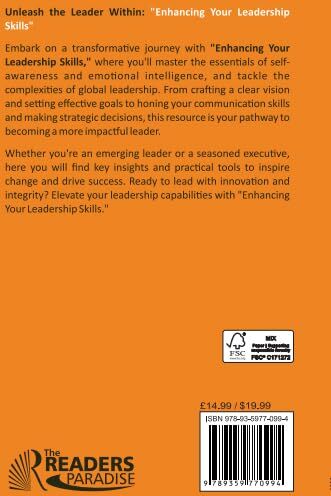
The Readers Paradise Enhancing Your Leadership Skills: A Practical Handbook for Success by Prof. V.K.Simon - Non Fiction Paperback - Leadership & Professional DevelopmentEnhance your leadership skills with this practical handbook by Prof. V.K.Simon. Written for anyone looking to lead with confidence and clarity, it blends self-awareness, emotional intelligence, and real-world strategy to help you achieve success. Whether you're a first-time manager or a seasoned executive, this compact guide delivers tools to strengthen decision-making, communication, and team impact in a fast-changing global workplace. It's built around the idea that great leadership is learned through practice, not theory alone, and covers the core competencies every effective leader needs, starting with self-awareness and emotional intelligence.2,99 £*Shipping: 2,99 £Secure redirect to the provider
-
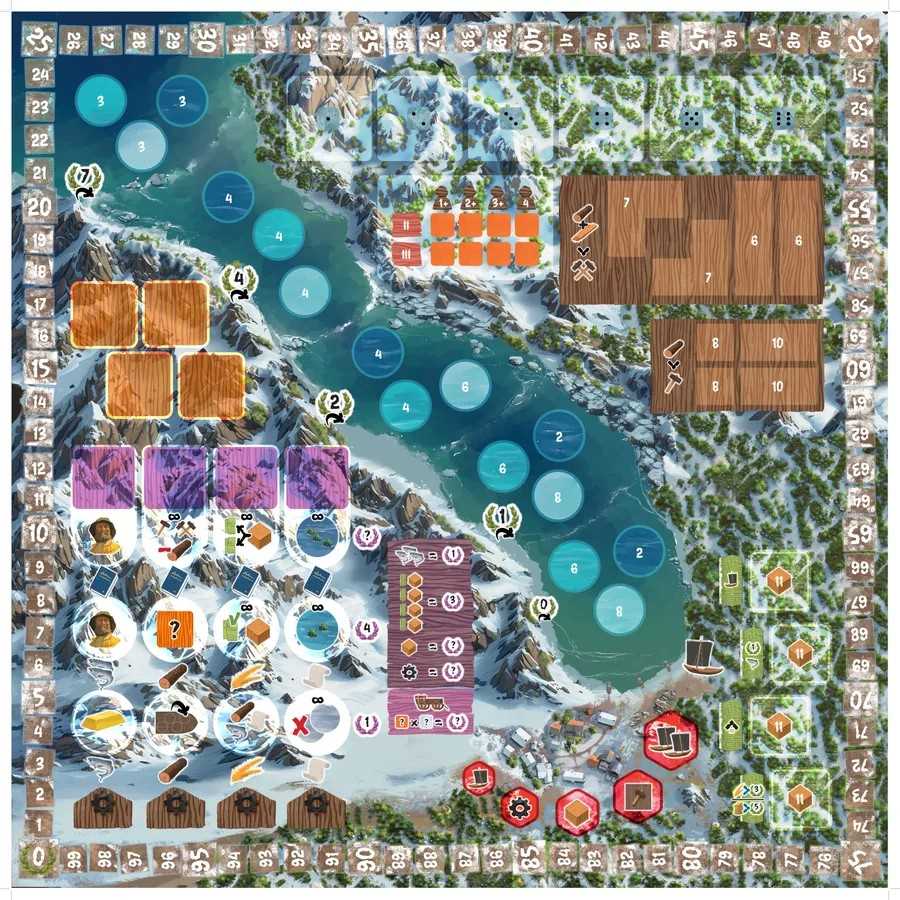
Aporta Games Saltfjord Board Game - Dice Drafting - Village Development - Resource ManagementBuild a fishing village in northern Norway with Saltfjord, a strategic board game set at the end of the 19th century. Players develop their own settlement while making careful decisions about resources, buildings, trade, and technology. Use dice drafting to determine the actions available to you, then send your boat out to gather fish and expand the prosperity of your village. Construct new buildings, improve your capabilities, and discover technologies that can make everyday life more efficient. The game draws inspiration from the dice-drafting mechanisms of Santa Maria, while introducing its own setting, systems, and expanded gameplay. Each decision contributes to the direction of your settlement, giving players several ways to pursue success.45,21 £*Shipping: 3,95 £Secure redirect to the provider
-
The Readers Paradise Counseling Skills For Managers by Prof. N.K. Daniel - Paperback - Leadership, Coaching & Workplace Ethics Guide for Managers and HR ProfessionalsCounseling Skills For Managers is a practical guide that helps leaders develop essential counseling skills for the workplace. Written for managers, team leads, HR professionals, and aspiring executives, it covers foundational counseling theory and its strategic application in corporate settings. The book teaches readers how to listen with empathy, structure coaching conversations, resolve role conflicts, and support colleagues through change and difficulty, all while maintaining clear ethical boundaries. This guide is a valuable addition to any professional development or leadership library, offering a unique blend of psychology and management principles in an accessible format.2,99 £*Shipping: 2,99 £Secure redirect to the provider
-
Various Publishers How to Talk to Anyone, Next Conversation & Psychology of Management - 3 Book Paperback Set - Communication, Leadership & Management PsychologyThis 3-book collection set brings together three practical, people-focused reads for anyone who wants to communicate better and lead more effectively. Leil Lowndes' classic 'How to Talk to Anyone' pairs with Jefferson Fisher's 'Next Conversation' and a foundational 'Psychology of Management' title to cover everyday conversation, conflict resolution, and workplace psychology in one bundle. Whether you are prepping for interviews, managing a team, or simply want to feel more confident in social situations, this paperback set offers accessible, actionable guidance you can start using immediately. The set includes 'How to Talk to Anyone' by Leil Lowndes, 'Next Conversation' by Jefferson Fisher, and 'Psychology of Management'.20,99 £*Shipping: 2,99 £Secure redirect to the provider


-
How can one make microplastics visible?
Microplastics can be made visible through the use of specialized equipment such as microscopes or infrared cameras. By magnifying the sample, microplastics that are too small to be seen with the naked eye can be identified and counted. Additionally, specific dyes or fluorescent markers can be used to stain the microplastics, making them easier to detect under certain lighting conditions. Sampling techniques such as filtration or sedimentation can also help concentrate microplastics from a larger sample, making them more visible for analysis. **
-
What is in wastewater: microplastics and silicones?
Wastewater can contain microplastics, which are tiny pieces of plastic less than 5mm in size that come from various sources such as personal care products, clothing, and packaging. Silicones are another common component found in wastewater, which are synthetic compounds used in a variety of products like shampoos, conditioners, and cosmetics. Both microplastics and silicones can pose environmental risks as they can accumulate in water bodies, harm aquatic life, and potentially enter the food chain. **
-
What is in the wastewater: microplastics and silicones?
Wastewater can contain microplastics, which are tiny plastic particles that come from a variety of sources such as clothing fibers, packaging materials, and personal care products. These microplastics can enter the wastewater system through activities like washing clothes or using personal care products. Additionally, silicones, which are synthetic polymers often used in personal care products and industrial processes, can also be found in wastewater. Both microplastics and silicones can pose environmental and health risks, making it important to address their presence in wastewater treatment processes. **
-
Do we all have microplastics in our bodies?
Yes, studies have found that microplastics have been detected in human bodies through various means such as in the gut, lungs, and even in placental tissue. These microplastics can enter our bodies through ingestion of contaminated food and water, as well as through inhalation of airborne particles. While the health impacts of microplastics in our bodies are still being studied, it is clear that they are pervasive in the environment and can accumulate in our bodies over time. **

What is the difference between primary and secondary microplastics?
Primary microplastics are small plastic particles that are intentionally produced for use in products such as exfoliating scrubs, industrial abrasives, and air blasting. Secondary microplastics are the result of the breakdown of larger plastic items, such as water bottles, packaging materials, and fishing nets, due to weathering, sunlight, and mechanical action. Both types of microplastics can have negative impacts on the environment and wildlife, but primary microplastics are directly introduced into the environment, while secondary microplastics result from the degradation of larger plastic items. **
What can be done about microplastics in the oceans?
To address the issue of microplastics in the oceans, several measures can be taken. Firstly, reducing the use of single-use plastics and promoting the use of biodegradable alternatives can help prevent the entry of more plastic into the oceans. Additionally, implementing proper waste management and recycling systems can help reduce the amount of plastic waste that ends up in the oceans. Furthermore, conducting clean-up operations and developing technologies to remove existing microplastics from the oceans can also be effective in mitigating the problem. Finally, raising awareness and educating the public about the impact of microplastics on marine ecosystems can help drive individual and collective action to address the issue. **
Top-Angebote
Products related to Microplastics:
-
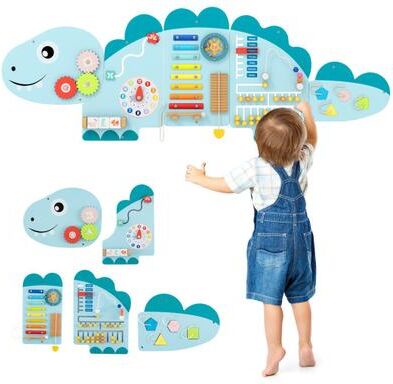
Perfect Picks Market Geometric Building Blocks Set For Kids Early Education Intelligence Development Toy Geometric Building Blocks Set For Kids Early Education Intelligence Development ToyUnlock your child's potential with this early education equipment designed to stimulate creativity and intelligence! This geometric set is the perfect building block toy for boys, helping to develop problemsolving skills while having fun. The...35,97 $*Shipping: 0,00 $Secure redirect to the provider
-
The Readers Paradise Enhancing Your Leadership Skills: A Practical Handbook for Success by Prof. V.K.Simon - Non Fiction Paperback - Leadership & Professional DevelopmentEnhance your leadership skills with this practical handbook by Prof. V.K.Simon. Written for anyone looking to lead with confidence and clarity, it blends self-awareness, emotional intelligence, and real-world strategy to help you achieve success. Whether you're a first-time manager or a seasoned executive, this compact guide delivers tools to strengthen decision-making, communication, and team impact in a fast-changing global workplace. It's built around the idea that great leadership is learned through practice, not theory alone, and covers the core competencies every effective leader needs, starting with self-awareness and emotional intelligence.2,99 £*Shipping: 2,99 £Secure redirect to the provider
-
Aporta Games Saltfjord Board Game - Dice Drafting - Village Development - Resource ManagementBuild a fishing village in northern Norway with Saltfjord, a strategic board game set at the end of the 19th century. Players develop their own settlement while making careful decisions about resources, buildings, trade, and technology. Use dice drafting to determine the actions available to you, then send your boat out to gather fish and expand the prosperity of your village. Construct new buildings, improve your capabilities, and discover technologies that can make everyday life more efficient. The game draws inspiration from the dice-drafting mechanisms of Santa Maria, while introducing its own setting, systems, and expanded gameplay. Each decision contributes to the direction of your settlement, giving players several ways to pursue success.45,21 £*Shipping: 3,95 £Secure redirect to the provider
-
How can one detoxify microplastics?
One way to detoxify microplastics is through the use of activated charcoal. Activated charcoal has a porous structure that can trap and bind to toxins, including microplastics, and help remove them from the body. Another method is to consume foods and supplements that support the body's natural detoxification processes, such as antioxidants and fiber-rich foods. Additionally, reducing exposure to sources of microplastics, such as single-use plastics and contaminated water, can help prevent further accumulation in the body. **
-
How can microplastics be made visible?
Microplastics can be made visible through various methods such as using specialized equipment like microscopes or infrared spectroscopy to detect and analyze them. Additionally, researchers can use fluorescent dyes that bind specifically to microplastics, making them easier to see under certain lighting conditions. Another method is filtering water samples and examining the residue left behind, as microplastics will be captured on the filter. Overall, a combination of techniques is often used to effectively visualize and quantify microplastics in different environments. **
-
How can one make microplastics visible?
Microplastics can be made visible through the use of specialized equipment such as microscopes or infrared cameras. By magnifying the sample, microplastics that are too small to be seen with the naked eye can be identified and counted. Additionally, specific dyes or fluorescent markers can be used to stain the microplastics, making them easier to detect under certain lighting conditions. Sampling techniques such as filtration or sedimentation can also help concentrate microplastics from a larger sample, making them more visible for analysis. **
-
What is in wastewater: microplastics and silicones?
Wastewater can contain microplastics, which are tiny pieces of plastic less than 5mm in size that come from various sources such as personal care products, clothing, and packaging. Silicones are another common component found in wastewater, which are synthetic compounds used in a variety of products like shampoos, conditioners, and cosmetics. Both microplastics and silicones can pose environmental risks as they can accumulate in water bodies, harm aquatic life, and potentially enter the food chain. **
Similar search terms for Microplastics
-
The Readers Paradise Counseling Skills For Managers by Prof. N.K. Daniel - Paperback - Leadership, Coaching & Workplace Ethics Guide for Managers and HR ProfessionalsCounseling Skills For Managers is a practical guide that helps leaders develop essential counseling skills for the workplace. Written for managers, team leads, HR professionals, and aspiring executives, it covers foundational counseling theory and its strategic application in corporate settings. The book teaches readers how to listen with empathy, structure coaching conversations, resolve role conflicts, and support colleagues through change and difficulty, all while maintaining clear ethical boundaries. This guide is a valuable addition to any professional development or leadership library, offering a unique blend of psychology and management principles in an accessible format.2,99 £*Shipping: 2,99 £Secure redirect to the provider
-
Various Publishers How to Talk to Anyone, Next Conversation & Psychology of Management - 3 Book Paperback Set - Communication, Leadership & Management PsychologyThis 3-book collection set brings together three practical, people-focused reads for anyone who wants to communicate better and lead more effectively. Leil Lowndes' classic 'How to Talk to Anyone' pairs with Jefferson Fisher's 'Next Conversation' and a foundational 'Psychology of Management' title to cover everyday conversation, conflict resolution, and workplace psychology in one bundle. Whether you are prepping for interviews, managing a team, or simply want to feel more confident in social situations, this paperback set offers accessible, actionable guidance you can start using immediately. The set includes 'How to Talk to Anyone' by Leil Lowndes, 'Next Conversation' by Jefferson Fisher, and 'Psychology of Management'.20,99 £*Shipping: 2,99 £Secure redirect to the provider
-
What is in the wastewater: microplastics and silicones?
Wastewater can contain microplastics, which are tiny plastic particles that come from a variety of sources such as clothing fibers, packaging materials, and personal care products. These microplastics can enter the wastewater system through activities like washing clothes or using personal care products. Additionally, silicones, which are synthetic polymers often used in personal care products and industrial processes, can also be found in wastewater. Both microplastics and silicones can pose environmental and health risks, making it important to address their presence in wastewater treatment processes. **
-
Do we all have microplastics in our bodies?
Yes, studies have found that microplastics have been detected in human bodies through various means such as in the gut, lungs, and even in placental tissue. These microplastics can enter our bodies through ingestion of contaminated food and water, as well as through inhalation of airborne particles. While the health impacts of microplastics in our bodies are still being studied, it is clear that they are pervasive in the environment and can accumulate in our bodies over time. **
-
What is the difference between primary and secondary microplastics?
Primary microplastics are small plastic particles that are intentionally produced for use in products such as exfoliating scrubs, industrial abrasives, and air blasting. Secondary microplastics are the result of the breakdown of larger plastic items, such as water bottles, packaging materials, and fishing nets, due to weathering, sunlight, and mechanical action. Both types of microplastics can have negative impacts on the environment and wildlife, but primary microplastics are directly introduced into the environment, while secondary microplastics result from the degradation of larger plastic items. **
-
What can be done about microplastics in the oceans?
To address the issue of microplastics in the oceans, several measures can be taken. Firstly, reducing the use of single-use plastics and promoting the use of biodegradable alternatives can help prevent the entry of more plastic into the oceans. Additionally, implementing proper waste management and recycling systems can help reduce the amount of plastic waste that ends up in the oceans. Furthermore, conducting clean-up operations and developing technologies to remove existing microplastics from the oceans can also be effective in mitigating the problem. Finally, raising awareness and educating the public about the impact of microplastics on marine ecosystems can help drive individual and collective action to address the issue. **
* All prices are inclusive of VAT and, if applicable, plus shipping costs. The offer information is based on the details provided by the respective shop and is updated through automated processes. Real-time updates do not occur, so deviations can occur in individual cases. ** Note: Parts of this content were created by AI.