Buy aefca.eu ?
We are moving the project
aefca.eu .
Are you interested in purchasing the domain
aefca.eu ?
domain@kv-gmbh.de · 0541-91531010
Buy aefca.eu ?
Who is responsible for education policy?
Education policy is typically the responsibility of government officials at the local, state, and national levels. This includes elected officials such as school board members, state legislators, and members of Congress, as well as appointed officials within the executive branch. These policymakers are responsible for making decisions about curriculum standards, funding allocation, teacher certification, and other aspects of education policy. Additionally, education policy may also be influenced by input from educators, parents, and other stakeholders in the education system. **
When will education policy be centralized?
Education policy may be centralized when there is a need for uniformity and consistency across a country or region. This could be due to concerns about disparities in educational quality, resources, or outcomes. Centralization may also occur in response to political or economic factors, such as a desire for greater government control or efficiency in resource allocation. However, the decision to centralize education policy is complex and may be influenced by a variety of factors, including cultural, historical, and ideological considerations. **

Similar search terms for Policy
Top-Angebote
Products related to Policy:
-
Perfect Picks Market Geometric Building Blocks Set For Kids Early Education Intelligence Development Toy Geometric Building Blocks Set For Kids Early Education Intelligence Development ToyUnlock your child's potential with this early education equipment designed to stimulate creativity and intelligence! This geometric set is the perfect building block toy for boys, helping to develop problemsolving skills while having fun. The...35,97 $*Shipping: 0,00 $Secure redirect to the provider
-
Yellow Kite Dr Mark Hyman 2 Books Collection Set (The Pegan Diet & Food Fix) - Paperback Non Fiction Nutrition & Food Policy Set - NewThis collection of two books by Dr Mark Hyman brings together his influential works on food and health: The Pegan Diet and Food Fix. Written by a New York Times bestselling functional-medicine physician, these titles combine practical nutrition guidance with a hard-hitting look at the politics of food. The Pegan Diet blends the best principles of the paleo and vegan approaches into 21 practical rules, featuring 30 recipes and clear infographics. Food Fix offers a complete picture of how to eat well personally while understanding the wider forces shaping the global food system. The books are written in a clear and accessible style, making them ideal for health-conscious readers and anyone curious about food policy. The paperback set is a brand-new edition, published by Yellow Kite.12,99 £*Shipping: 2,99 £Secure redirect to the provider
-
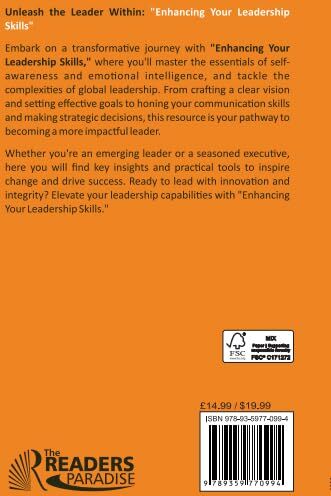
The Readers Paradise Enhancing Your Leadership Skills: A Practical Handbook for Success by Prof. V.K.Simon - Non Fiction Paperback - Leadership & Professional DevelopmentEnhance your leadership skills with this practical handbook by Prof. V.K.Simon. Written for anyone looking to lead with confidence and clarity, it blends self-awareness, emotional intelligence, and real-world strategy to help you achieve success. Whether you're a first-time manager or a seasoned executive, this compact guide delivers tools to strengthen decision-making, communication, and team impact in a fast-changing global workplace. It's built around the idea that great leadership is learned through practice, not theory alone, and covers the core competencies every effective leader needs, starting with self-awareness and emotional intelligence.2,99 £*Shipping: 2,99 £Secure redirect to the provider
-
Various Publishers How to Talk to Anyone, Next Conversation & Psychology of Management - 3 Book Paperback Set - Communication, Leadership & Management PsychologyThis 3-book collection set brings together three practical, people-focused reads for anyone who wants to communicate better and lead more effectively. Leil Lowndes' classic 'How to Talk to Anyone' pairs with Jefferson Fisher's 'Next Conversation' and a foundational 'Psychology of Management' title to cover everyday conversation, conflict resolution, and workplace psychology in one bundle. Whether you are prepping for interviews, managing a team, or simply want to feel more confident in social situations, this paperback set offers accessible, actionable guidance you can start using immediately. The set includes 'How to Talk to Anyone' by Leil Lowndes, 'Next Conversation' by Jefferson Fisher, and 'Psychology of Management'.20,99 £*Shipping: 2,99 £Secure redirect to the provider



-
What is the difference between process policy, structural policy, and regulatory policy?
Process policy refers to the rules and procedures that govern how tasks are carried out within an organization. Structural policy pertains to the overall design and organization of an institution, including its hierarchy, reporting relationships, and division of responsibilities. Regulatory policy, on the other hand, involves the establishment and enforcement of rules and standards by a governing body to ensure compliance and protect the public interest. Each type of policy serves a distinct purpose in guiding behavior and decision-making within an organization or society. **
-
What is the difference between process policy, structural policy, and order policy?
Process policy refers to the rules and procedures that govern how decisions are made and implemented within an organization. Structural policy, on the other hand, pertains to the framework and organization of the institution, including its hierarchy, departments, and reporting structure. Order policy focuses on the sequence and prioritization of tasks and activities within the organization, ensuring that work is carried out efficiently and effectively. Each type of policy plays a crucial role in shaping the overall functioning and success of an organization. **
-
Why does education policy not want to learn from experience?
Education policy may not want to learn from experience because it is often influenced by political agendas and ideologies, which can lead to resistance to change. Additionally, there may be a lack of communication and collaboration between policymakers and educators, resulting in a disconnect between policy decisions and their actual impact in the classroom. Furthermore, there may be a fear of admitting failure or making mistakes, leading to a reluctance to acknowledge the need for change based on past experiences. Overall, the complex and multifaceted nature of education policy can make it challenging to effectively learn from experience and implement meaningful reforms. **
-
What is the difference between regional policy and cohesion policy?
Regional policy focuses on addressing economic disparities and promoting development within specific regions, while cohesion policy aims to reduce disparities and promote harmonious development across all regions within the European Union. Regional policy is more focused on specific geographic areas, while cohesion policy has a broader scope and aims to promote overall economic and social cohesion within the EU. Both policies work together to support sustainable development and reduce inequalities among regions. **

What is the difference between product policy and assortment policy?
Product policy refers to the decisions and guidelines that a company follows in developing and managing its individual products, including aspects such as design, features, branding, and pricing. Assortment policy, on the other hand, refers to the decisions and strategies related to the overall mix of products offered by a company, including the variety, depth, and breadth of the product line. While product policy focuses on the specific attributes and management of individual products, assortment policy is concerned with the overall composition and range of products offered by the company. **
What is the difference between process policy and order policy?
Process policy refers to the set of rules and guidelines that dictate how a task or activity should be carried out within an organization. It focuses on the steps and procedures that need to be followed to achieve a specific outcome. On the other hand, order policy refers to the rules and regulations that govern the sequence or priority in which tasks or activities should be completed. It determines the hierarchy or ranking of tasks based on their importance or urgency. In essence, process policy deals with how tasks are done, while order policy deals with when tasks are done. **
Top-Angebote
Products related to Policy:
-
Yellow Kite Food Fix by Mark Hyman MD - Paperback - Food Policy, Health & Environment Non-Fiction BookFood Fix by Mark Hyman is a non-fiction paperback book that explores the connection between food and the crises facing society. Written by New York Times best-selling author and physician Mark Hyman, this book argues that fixing our broken food system could have a positive impact on our health, local economies, communities, and the planet. In Food Fix, Hyman lays bare how industrial food and agriculture systems are shaped by powerful financial interests, driving issues such as obesity and type 2 diabetes. This book is essential reading for anyone concerned about the intersection of food, health, and the environment.3,49 £*Shipping: 2,99 £Secure redirect to the provider
-
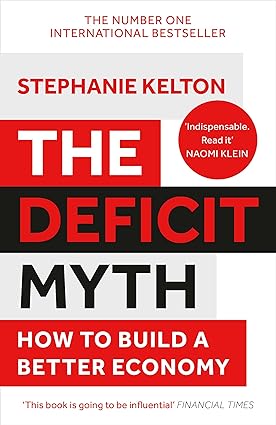
The Deficit Myth by Stephanie Kelton - Modern Monetary Theory - Paperback - John Murray Press - Economics & Public Policy BookThe Deficit Myth by Stephanie Kelton is a thought-provoking book that rethinks how modern economies work. Drawing on Modern Monetary Theory (MMT), Kelton challenges the conventional wisdom that government deficits are inherently dangerous, arguing instead that they can be powerful tools for funding public services and infrastructure. This paperback edition is a clear and accessible explanation of public finance and economic policy, making it essential reading for anyone interested in these topics. About the book, economist Stephanie Kelton dismantles the idea that government deficits are a looming disaster, showing that for countries that issue their own currency, the true constraint on spending is not a shortage of money but a shortage of political will to invest in the things that matter.5,99 £*Shipping: 2,99 £Secure redirect to the provider
-
Perfect Picks Market Geometric Building Blocks Set For Kids Early Education Intelligence Development Toy Geometric Building Blocks Set For Kids Early Education Intelligence Development ToyUnlock your child's potential with this early education equipment designed to stimulate creativity and intelligence! This geometric set is the perfect building block toy for boys, helping to develop problemsolving skills while having fun. The...35,97 $*Shipping: 0,00 $Secure redirect to the provider
-
Yellow Kite Dr Mark Hyman 2 Books Collection Set (The Pegan Diet & Food Fix) - Paperback Non Fiction Nutrition & Food Policy Set - NewThis collection of two books by Dr Mark Hyman brings together his influential works on food and health: The Pegan Diet and Food Fix. Written by a New York Times bestselling functional-medicine physician, these titles combine practical nutrition guidance with a hard-hitting look at the politics of food. The Pegan Diet blends the best principles of the paleo and vegan approaches into 21 practical rules, featuring 30 recipes and clear infographics. Food Fix offers a complete picture of how to eat well personally while understanding the wider forces shaping the global food system. The books are written in a clear and accessible style, making them ideal for health-conscious readers and anyone curious about food policy. The paperback set is a brand-new edition, published by Yellow Kite.12,99 £*Shipping: 2,99 £Secure redirect to the provider
-
Who is responsible for education policy?
Education policy is typically the responsibility of government officials at the local, state, and national levels. This includes elected officials such as school board members, state legislators, and members of Congress, as well as appointed officials within the executive branch. These policymakers are responsible for making decisions about curriculum standards, funding allocation, teacher certification, and other aspects of education policy. Additionally, education policy may also be influenced by input from educators, parents, and other stakeholders in the education system. **
-
When will education policy be centralized?
Education policy may be centralized when there is a need for uniformity and consistency across a country or region. This could be due to concerns about disparities in educational quality, resources, or outcomes. Centralization may also occur in response to political or economic factors, such as a desire for greater government control or efficiency in resource allocation. However, the decision to centralize education policy is complex and may be influenced by a variety of factors, including cultural, historical, and ideological considerations. **
-
What is the difference between process policy, structural policy, and regulatory policy?
Process policy refers to the rules and procedures that govern how tasks are carried out within an organization. Structural policy pertains to the overall design and organization of an institution, including its hierarchy, reporting relationships, and division of responsibilities. Regulatory policy, on the other hand, involves the establishment and enforcement of rules and standards by a governing body to ensure compliance and protect the public interest. Each type of policy serves a distinct purpose in guiding behavior and decision-making within an organization or society. **
-
What is the difference between process policy, structural policy, and order policy?
Process policy refers to the rules and procedures that govern how decisions are made and implemented within an organization. Structural policy, on the other hand, pertains to the framework and organization of the institution, including its hierarchy, departments, and reporting structure. Order policy focuses on the sequence and prioritization of tasks and activities within the organization, ensuring that work is carried out efficiently and effectively. Each type of policy plays a crucial role in shaping the overall functioning and success of an organization. **
Similar search terms for Policy
-
The Readers Paradise Enhancing Your Leadership Skills: A Practical Handbook for Success by Prof. V.K.Simon - Non Fiction Paperback - Leadership & Professional DevelopmentEnhance your leadership skills with this practical handbook by Prof. V.K.Simon. Written for anyone looking to lead with confidence and clarity, it blends self-awareness, emotional intelligence, and real-world strategy to help you achieve success. Whether you're a first-time manager or a seasoned executive, this compact guide delivers tools to strengthen decision-making, communication, and team impact in a fast-changing global workplace. It's built around the idea that great leadership is learned through practice, not theory alone, and covers the core competencies every effective leader needs, starting with self-awareness and emotional intelligence.2,99 £*Shipping: 2,99 £Secure redirect to the provider
-
Various Publishers How to Talk to Anyone, Next Conversation & Psychology of Management - 3 Book Paperback Set - Communication, Leadership & Management PsychologyThis 3-book collection set brings together three practical, people-focused reads for anyone who wants to communicate better and lead more effectively. Leil Lowndes' classic 'How to Talk to Anyone' pairs with Jefferson Fisher's 'Next Conversation' and a foundational 'Psychology of Management' title to cover everyday conversation, conflict resolution, and workplace psychology in one bundle. Whether you are prepping for interviews, managing a team, or simply want to feel more confident in social situations, this paperback set offers accessible, actionable guidance you can start using immediately. The set includes 'How to Talk to Anyone' by Leil Lowndes, 'Next Conversation' by Jefferson Fisher, and 'Psychology of Management'.20,99 £*Shipping: 2,99 £Secure redirect to the provider
-
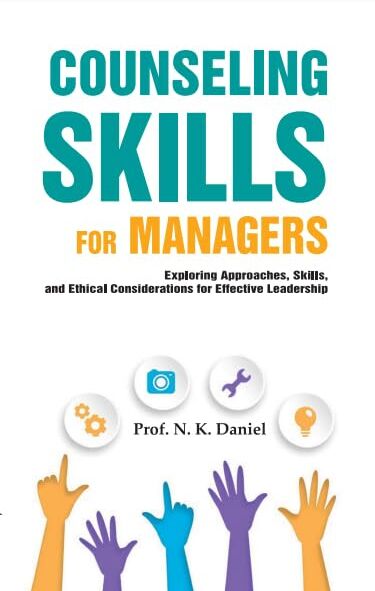
The Readers Paradise Counseling Skills For Managers by Prof. N.K. Daniel - Paperback - Leadership, Coaching & Workplace Ethics Guide for Managers and HR ProfessionalsCounseling Skills For Managers is a practical guide that helps leaders develop essential counseling skills for the workplace. Written for managers, team leads, HR professionals, and aspiring executives, it covers foundational counseling theory and its strategic application in corporate settings. The book teaches readers how to listen with empathy, structure coaching conversations, resolve role conflicts, and support colleagues through change and difficulty, all while maintaining clear ethical boundaries. This guide is a valuable addition to any professional development or leadership library, offering a unique blend of psychology and management principles in an accessible format.2,99 £*Shipping: 2,99 £Secure redirect to the provider
-
Pan Macmillan Radical Candor by Kim Scott The Bestselling Leadership Book - Management, Feedback & Workplace Culture BookRadical Candor by Kim Scott is a groundbreaking leadership and communication guide that teaches how to give feedback effectively, build trust, and create high-performing teams without becoming harsh—or avoiding difficult conversations. Based on Scott’s experience at Google, Apple and Silicon Valley startups, Radical Candor introduces a simple but powerful framework built on two pillars: Care Personally Challenge Directly The book provides practical tools for giving honest feedback, fostering open communication, strengthening working relationships, and becoming a more compassionate and impactful leader. Perfect for managers, team leaders, HR professionals, and anyone wanting to build a healthy, productive workplace culture. Radical Candor is the perfect handbook for those who are looking to find meaning in their job and create an environment where people love both their work and their colleagues, and are motivated to strive to ever greater success.2,99 £*Shipping: 1,99 £Secure redirect to the provider
-
Why does education policy not want to learn from experience?
Education policy may not want to learn from experience because it is often influenced by political agendas and ideologies, which can lead to resistance to change. Additionally, there may be a lack of communication and collaboration between policymakers and educators, resulting in a disconnect between policy decisions and their actual impact in the classroom. Furthermore, there may be a fear of admitting failure or making mistakes, leading to a reluctance to acknowledge the need for change based on past experiences. Overall, the complex and multifaceted nature of education policy can make it challenging to effectively learn from experience and implement meaningful reforms. **
-
What is the difference between regional policy and cohesion policy?
Regional policy focuses on addressing economic disparities and promoting development within specific regions, while cohesion policy aims to reduce disparities and promote harmonious development across all regions within the European Union. Regional policy is more focused on specific geographic areas, while cohesion policy has a broader scope and aims to promote overall economic and social cohesion within the EU. Both policies work together to support sustainable development and reduce inequalities among regions. **
-
What is the difference between product policy and assortment policy?
Product policy refers to the decisions and guidelines that a company follows in developing and managing its individual products, including aspects such as design, features, branding, and pricing. Assortment policy, on the other hand, refers to the decisions and strategies related to the overall mix of products offered by a company, including the variety, depth, and breadth of the product line. While product policy focuses on the specific attributes and management of individual products, assortment policy is concerned with the overall composition and range of products offered by the company. **
-
What is the difference between process policy and order policy?
Process policy refers to the set of rules and guidelines that dictate how a task or activity should be carried out within an organization. It focuses on the steps and procedures that need to be followed to achieve a specific outcome. On the other hand, order policy refers to the rules and regulations that govern the sequence or priority in which tasks or activities should be completed. It determines the hierarchy or ranking of tasks based on their importance or urgency. In essence, process policy deals with how tasks are done, while order policy deals with when tasks are done. **
* All prices are inclusive of VAT and, if applicable, plus shipping costs. The offer information is based on the details provided by the respective shop and is updated through automated processes. Real-time updates do not occur, so deviations can occur in individual cases. ** Note: Parts of this content were created by AI.