Buy aefca.eu ?
We are moving the project
aefca.eu .
Are you interested in purchasing the domain
aefca.eu ?
domain@kv-gmbh.de · 0541-91531010
Buy aefca.eu ?
How does human development progress?
Human development progresses through a series of stages that are influenced by both biological and environmental factors. These stages include physical, cognitive, emotional, and social development. As individuals grow and mature, they acquire new skills, knowledge, and experiences that shape their understanding of the world and their place in it. Development is a lifelong process that continues from infancy through adulthood and is influenced by a combination of genetics, environment, and personal experiences. **
How does language development progress?
Language development progresses in stages, starting with cooing and babbling in infancy, then moving on to single words, two-word phrases, and eventually more complex sentences. Children learn language through exposure to spoken language, imitation, and reinforcement from caregivers. As they grow, they continue to expand their vocabulary, grammar, and communication skills through interactions with others and practice in various social contexts. Language development is a gradual process that is influenced by both biological factors and environmental experiences. **
Similar search terms for Progress
Top-Angebote
Products related to Progress:
-
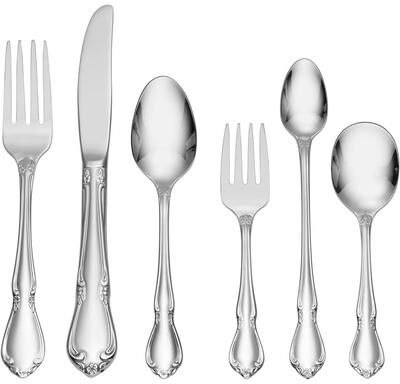
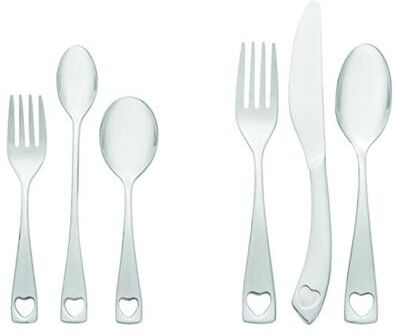
Oneida Little Love 6 Piece Fine Flatware Progress SetNew or experienced, moms need some help. Gift them easier table training with a Little Love for their little ones. Punched heart shapes entertain while including kids with age-appropriate sizes, durable stainless steel, and easy-to-maneuver designs.37,99 $*Shipping: 0,00 $Secure redirect to the provider
-
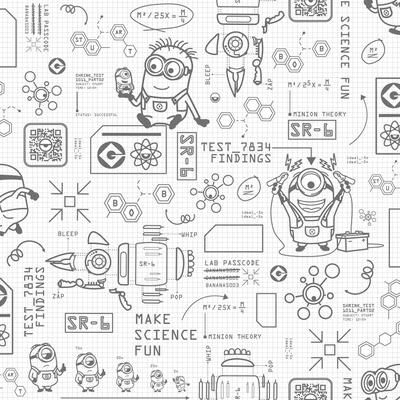
Roommates Minions Science In Progress Grey Peel and Stick WallpaperCelebrate curiosity and creativity with this Minions peel and stick wallpaper inspired by lab sketches and inventive graphics, blending modern design with the Minions' wonderfully unpredictable spirit.59,99 $*Shipping: 0,00 $Secure redirect to the provider
-
Nioxin Scalp + Hair Thickening System 2 for Natural Hair with ProgressNew look, same formula. Trial Nioxin's 3-step professional system with this 150ml shampoo,150ml conditioner, and 50ml leave-on treatment, clinically designed to target progressed thinning for natural, untreated hair. The Scalp + Hair Thickening Treatment contains UV protecting ingredients for the scalp and hair. Clinically and dermatologically tested, this complete scalp & hair thickening system thickens and boosts your hair's density. 8 out 10 users saw thicker, fuller hair in 30 days! SYSTEM KIT 2 SHAMPOO: Aqua/Water/Eau, Sodium Laureth Sulfate, Sodium Lauryl Sulfate, Cocamidopropyl Betaine, Cocamide MEA, Sodium Benzoate, Citric Acid, Sodium Chloride, Salicylic Acid, Mentha Arvensis Leaf Oil, Mentha Piperita (Peppermint) Oil, Tetrasodium EDTA, Methylparaben, Propylene Glycol, Glycerin, Sodium Hydroxide, Limonene, Camellia Sinensis Leaf Extract, Cystine Bis-PG-Propyl Silanetriol, Niacinamide, Panthenol, Biotin, Lecithin, Tocopheryl Acetate, Urtica Dioica (Nettle) Leaf Extract, Humulus Lupulus (Hops) Flower Extract, Citrus Paradisi (Grapefruit) Peel Extract, Yellow 5 (CI 19140), Vaccinium Myrtillus Leaf Extract, Acer Saccharum (Sugar Maple) Extract, Saccharum Officinarum/Sugar Cane Extract/Extrait de canne à sucre, Citrus Limon (Lemon) Peel Extract, Faex Extract/Yeast Extract/Extrait de levure, Propylparaben, Blue 1 (CI 42090), Phenoxyethanol, Citrus Aurantium Dulcis (Orange) Fruit Extract, Red 33 (CI 17200), Potassium Sorbate, Maltodextrin, Sodium Citrate, Ethylparaben, Butylparaben, Sodium Xylenesulfonate. SYSTEM KIT 2 CONDITIONER: Aqua/Water/Eau, Cetyl Alcohol, Stearamidopropyl Dimethylamine, Stearyl Alcohol, Distearyldimonium Chloride, Phenoxyethanol, Benzyl Alcohol, Cetearyl Alcohol, Hydroxypropyl Guar, Oleyl Alcohol, Glyceryl Stearate, Hydroxyethylcellulose, Methylparaben, Mentha Arvensis Leaf Oil, Mentha Piperita (Peppermint) Oil, Propylparaben, Polysorbate 60, EDTA, Propylene Glycol, Citric Acid, Limonene, Camellia Sinensis Leaf Extract, Cystine Bis-PG-Propyl Silanetriol, Niacinamide, Panthenol, Biotin, Lecithin, Tocopheryl Acetate, Citrus Paradisi (Grapefruit) Peel Extract, Humulus Lupulus (Hops) Flower Extract, Urtica Dioica (Nettle) Leaf Extract, Disodium Phosphate, Sodium Phosphate, Acer Saccharum (Sugar Maple) Extract, Citrus Limon (Lemon) Peel Extract, Saccharum Officinarum/Sugar Cane Extract/Extrait de canne à sucre, Vaccinium Myrtillus Leaf Extract, Faex Extract/Yeast Extract/Extrait de levure, Citrus Aurantium Dulcis (Orange) Fruit Extract, Sodium Benzoate, Potassium Sorbate, Blue 1 (CI 42090), Maltodextrin, Ethylparaben, Butylparaben SYSTEM KIT 2 TREATMENT:Aqua/Water/Eau, Niacinamide, Phenylbenzimidazole Sulfonic Acid, Caffeine, Polysorbate 20, Benzophenone-4, Phenoxyethanol, Sodium Benzoate, Benzyl Alcohol, PEG-12 Dimethicone, Sodium Hydroxide, Cocamidopropyl Betaine, Acetamide MEA, Propylene Glycol, Tetrasodium EDTA, Methyl Nicotinate, Mentha Arvensis Leaf Oil, Parfum/Fragrance, Polysorbate 80, Polysorbate 60, PEG-23M, Mentha...32,85 £*Shipping: 0,00 £Secure redirect to the provider
-
Dungeons & Dragons Progress Pride Dice Set by Sirius Dice, Rainbow-Coloured, Tabletop Role-Playing GamesAdd colour and meaningful representation to your tabletop games with this Progress Pride dice set from Sirius Dice. Designed for Dungeons & Dragons players, the set features clear dice with rainbow-coloured numbering and an embedded Progress Pride flag detail in every die. The vibrant colour treatment makes the numbers easy to distinguish during play, while the compact set is suitable for adventurers, Dungeon Masters, and collectors alike. It's a distinctive accessory for regular game sessions, character creation, and display. The set is made by Sirius Dice and is a colourful addition to a gaming collection.16,58 £*Shipping: 3,95 £Secure redirect to the provider


-
How does sensory development progress?
Sensory development progresses through a series of stages, beginning with basic sensory experiences such as touch, taste, and smell in infancy. As children grow, they develop more refined sensory abilities, such as improved vision and hearing, and begin to integrate sensory information to make sense of their environment. This process continues into adolescence and adulthood, with individuals becoming more adept at interpreting and responding to sensory stimuli. Overall, sensory development progresses from basic sensory experiences to more complex and integrated sensory abilities as individuals mature. **
-
How does the linguistic development progress?
Linguistic development progresses in stages, starting with the prelinguistic stage where babies communicate through crying, cooing, and babbling. This is followed by the one-word stage, where children begin to use single words to communicate their needs and wants. Then, they move on to the two-word stage, where they start combining words to form simple sentences. Finally, they reach the telegraphic stage, where they use more complex sentence structures and begin to understand grammar rules. Throughout these stages, children are constantly learning and expanding their vocabulary and language skills through exposure to language and interaction with others. **
-
How does child development progress in space?
Child development in space is a relatively new area of study, as there have been limited opportunities for children to live and grow in space environments. However, research suggests that the lack of gravity in space may impact the physical development of children, as it can affect bone density and muscle strength. Additionally, the social and emotional development of children in space may be influenced by the unique challenges and limitations of living in a confined and isolated environment. Further research is needed to fully understand how child development progresses in space and to ensure the well-being of children living in such environments. **
-
How does motor development progress in infants?
Motor development in infants progresses in a predictable sequence, starting with reflexive movements such as sucking and grasping, and then moving on to more voluntary movements like rolling over, sitting up, crawling, and eventually walking. Infants typically gain control over their head and neck first, followed by their arms and then their legs. As they continue to develop, they become more coordinated and are able to perform more complex movements, such as reaching, grasping, and manipulating objects. This progression is influenced by a combination of genetic factors, environmental stimulation, and opportunities for practice and exploration. **


How does specialist training progress?
Specialist training typically progresses through a combination of structured education, hands-on experience, and mentorship. Trainees start by building a strong foundation in the field through coursework and exams. As they advance, they gain practical experience by working with patients under supervision and gradually take on more complex cases. Throughout the training, they receive feedback and guidance from experienced specialists to help them refine their skills and knowledge. Ultimately, trainees become independent practitioners in their specialized field after completing the required training and assessments. **
How does the development of a puppy progress?
The development of a puppy progresses through several stages. In the first few weeks, they rely on their mother for nourishment and warmth. As they grow, they start to explore their surroundings and interact with their littermates, developing social and play skills. Around 8 weeks old, they are ready to leave their mother and join their new human family. Throughout the first year, they continue to grow and learn, reaching important milestones such as teething, house training, and basic obedience training. **
Top-Angebote
Products related to Progress:
-
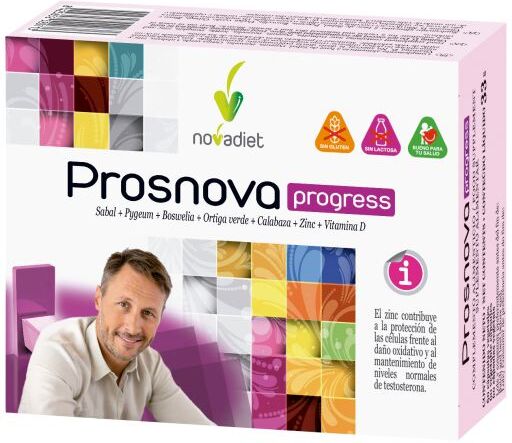
Novadiet Prosnova Progress 60 CapsulesNutrition and Supplements Special supplements Novadiet Prosnova Progress 60 Capsules If you're a man over 40, you've likely begun to notice urinary problems. Benign prostatic hyperplasia (BPH) is the most common reason for male urological consultations. It begins to manifest itself after the age of 40, affecting 80% of men by age 70 and 90% of those over 85. It is a benign, age-related enlargement of the prostate, associated with low testosterone levels, a slow-growing condition that causes significant discomfort and significantly impacts quality of life. Prostate growth compresses the urethra as it passes through the gland, causing a series of secondary discomforts: difficulty starting to urinate; a thin, weak, and intermittent urine stream; a feeling of not having emptied the bladder after urinating; having to urinate multiple times during the day (pollakiuria) and at night (nocturia); urinary incontinence, abdominal pain, and discomfort when urinating may also occur. Take one capsule with breakfast and another with dinner, with water. Recommended daily dose: 2 capsules.18,91 £*Shipping: 3,99 £Secure redirect to the provider
-
Oneida Little Love 6 Piece Fine Flatware Progress SetNew or experienced, moms need some help. Gift them easier table training with a Little Love for their little ones. Punched heart shapes entertain while including kids with age-appropriate sizes, durable stainless steel, and easy-to-maneuver designs.37,99 $*Shipping: 0,00 $Secure redirect to the provider
-
Roommates Minions Science In Progress Grey Peel and Stick WallpaperCelebrate curiosity and creativity with this Minions peel and stick wallpaper inspired by lab sketches and inventive graphics, blending modern design with the Minions' wonderfully unpredictable spirit.59,99 $*Shipping: 0,00 $Secure redirect to the provider
-
How does human development progress?
Human development progresses through a series of stages that are influenced by both biological and environmental factors. These stages include physical, cognitive, emotional, and social development. As individuals grow and mature, they acquire new skills, knowledge, and experiences that shape their understanding of the world and their place in it. Development is a lifelong process that continues from infancy through adulthood and is influenced by a combination of genetics, environment, and personal experiences. **
-
How does language development progress?
Language development progresses in stages, starting with cooing and babbling in infancy, then moving on to single words, two-word phrases, and eventually more complex sentences. Children learn language through exposure to spoken language, imitation, and reinforcement from caregivers. As they grow, they continue to expand their vocabulary, grammar, and communication skills through interactions with others and practice in various social contexts. Language development is a gradual process that is influenced by both biological factors and environmental experiences. **
-
How does sensory development progress?
Sensory development progresses through a series of stages, beginning with basic sensory experiences such as touch, taste, and smell in infancy. As children grow, they develop more refined sensory abilities, such as improved vision and hearing, and begin to integrate sensory information to make sense of their environment. This process continues into adolescence and adulthood, with individuals becoming more adept at interpreting and responding to sensory stimuli. Overall, sensory development progresses from basic sensory experiences to more complex and integrated sensory abilities as individuals mature. **
-
How does the linguistic development progress?
Linguistic development progresses in stages, starting with the prelinguistic stage where babies communicate through crying, cooing, and babbling. This is followed by the one-word stage, where children begin to use single words to communicate their needs and wants. Then, they move on to the two-word stage, where they start combining words to form simple sentences. Finally, they reach the telegraphic stage, where they use more complex sentence structures and begin to understand grammar rules. Throughout these stages, children are constantly learning and expanding their vocabulary and language skills through exposure to language and interaction with others. **
Similar search terms for Progress
-
Nioxin Scalp + Hair Thickening System 2 for Natural Hair with ProgressNew look, same formula. Trial Nioxin's 3-step professional system with this 150ml shampoo,150ml conditioner, and 50ml leave-on treatment, clinically designed to target progressed thinning for natural, untreated hair. The Scalp + Hair Thickening Treatment contains UV protecting ingredients for the scalp and hair. Clinically and dermatologically tested, this complete scalp & hair thickening system thickens and boosts your hair's density. 8 out 10 users saw thicker, fuller hair in 30 days! SYSTEM KIT 2 SHAMPOO: Aqua/Water/Eau, Sodium Laureth Sulfate, Sodium Lauryl Sulfate, Cocamidopropyl Betaine, Cocamide MEA, Sodium Benzoate, Citric Acid, Sodium Chloride, Salicylic Acid, Mentha Arvensis Leaf Oil, Mentha Piperita (Peppermint) Oil, Tetrasodium EDTA, Methylparaben, Propylene Glycol, Glycerin, Sodium Hydroxide, Limonene, Camellia Sinensis Leaf Extract, Cystine Bis-PG-Propyl Silanetriol, Niacinamide, Panthenol, Biotin, Lecithin, Tocopheryl Acetate, Urtica Dioica (Nettle) Leaf Extract, Humulus Lupulus (Hops) Flower Extract, Citrus Paradisi (Grapefruit) Peel Extract, Yellow 5 (CI 19140), Vaccinium Myrtillus Leaf Extract, Acer Saccharum (Sugar Maple) Extract, Saccharum Officinarum/Sugar Cane Extract/Extrait de canne à sucre, Citrus Limon (Lemon) Peel Extract, Faex Extract/Yeast Extract/Extrait de levure, Propylparaben, Blue 1 (CI 42090), Phenoxyethanol, Citrus Aurantium Dulcis (Orange) Fruit Extract, Red 33 (CI 17200), Potassium Sorbate, Maltodextrin, Sodium Citrate, Ethylparaben, Butylparaben, Sodium Xylenesulfonate. SYSTEM KIT 2 CONDITIONER: Aqua/Water/Eau, Cetyl Alcohol, Stearamidopropyl Dimethylamine, Stearyl Alcohol, Distearyldimonium Chloride, Phenoxyethanol, Benzyl Alcohol, Cetearyl Alcohol, Hydroxypropyl Guar, Oleyl Alcohol, Glyceryl Stearate, Hydroxyethylcellulose, Methylparaben, Mentha Arvensis Leaf Oil, Mentha Piperita (Peppermint) Oil, Propylparaben, Polysorbate 60, EDTA, Propylene Glycol, Citric Acid, Limonene, Camellia Sinensis Leaf Extract, Cystine Bis-PG-Propyl Silanetriol, Niacinamide, Panthenol, Biotin, Lecithin, Tocopheryl Acetate, Citrus Paradisi (Grapefruit) Peel Extract, Humulus Lupulus (Hops) Flower Extract, Urtica Dioica (Nettle) Leaf Extract, Disodium Phosphate, Sodium Phosphate, Acer Saccharum (Sugar Maple) Extract, Citrus Limon (Lemon) Peel Extract, Saccharum Officinarum/Sugar Cane Extract/Extrait de canne à sucre, Vaccinium Myrtillus Leaf Extract, Faex Extract/Yeast Extract/Extrait de levure, Citrus Aurantium Dulcis (Orange) Fruit Extract, Sodium Benzoate, Potassium Sorbate, Blue 1 (CI 42090), Maltodextrin, Ethylparaben, Butylparaben SYSTEM KIT 2 TREATMENT:Aqua/Water/Eau, Niacinamide, Phenylbenzimidazole Sulfonic Acid, Caffeine, Polysorbate 20, Benzophenone-4, Phenoxyethanol, Sodium Benzoate, Benzyl Alcohol, PEG-12 Dimethicone, Sodium Hydroxide, Cocamidopropyl Betaine, Acetamide MEA, Propylene Glycol, Tetrasodium EDTA, Methyl Nicotinate, Mentha Arvensis Leaf Oil, Parfum/Fragrance, Polysorbate 80, Polysorbate 60, PEG-23M, Mentha...32,85 £*Shipping: 0,00 £Secure redirect to the provider
-
Dungeons & Dragons Progress Pride Dice Set by Sirius Dice, Rainbow-Coloured, Tabletop Role-Playing GamesAdd colour and meaningful representation to your tabletop games with this Progress Pride dice set from Sirius Dice. Designed for Dungeons & Dragons players, the set features clear dice with rainbow-coloured numbering and an embedded Progress Pride flag detail in every die. The vibrant colour treatment makes the numbers easy to distinguish during play, while the compact set is suitable for adventurers, Dungeon Masters, and collectors alike. It's a distinctive accessory for regular game sessions, character creation, and display. The set is made by Sirius Dice and is a colourful addition to a gaming collection.16,58 £*Shipping: 3,95 £Secure redirect to the provider
-
William Collins Beautiful News by David McCandless - Hardback - Uplifting Infographics of Global Progress - 256 PagesDiscover the inspiring stories behind the positive trends and uplifting statistics in Beautiful News by David McCandless. This non-fiction hardback book, published by William Collins, offers a refreshing change from doom-laden headlines. Rather than dwelling on the negative, McCandless turns his infographic style toward the good news hiding in plain sight, charting genuine progress across health, environment, technology, and society. The book is beautifully produced and features 256 pages of clear, elegant infographics that make it easy to browse and understand. Beautiful News collects positive trends, uplifting statistics, and creative solutions, providing a unique perspective on the world's progress.9,99 £*Shipping: 2,99 £Secure redirect to the provider
-
Perfect Picks Market Geometric Building Blocks Set For Kids Early Education Intelligence Development Toy Geometric Building Blocks Set For Kids Early Education Intelligence Development ToyUnlock your child's potential with this early education equipment designed to stimulate creativity and intelligence! This geometric set is the perfect building block toy for boys, helping to develop problemsolving skills while having fun. The...35,97 $*Shipping: 0,00 $Secure redirect to the provider
-
How does child development progress in space?
Child development in space is a relatively new area of study, as there have been limited opportunities for children to live and grow in space environments. However, research suggests that the lack of gravity in space may impact the physical development of children, as it can affect bone density and muscle strength. Additionally, the social and emotional development of children in space may be influenced by the unique challenges and limitations of living in a confined and isolated environment. Further research is needed to fully understand how child development progresses in space and to ensure the well-being of children living in such environments. **
-
How does motor development progress in infants?
Motor development in infants progresses in a predictable sequence, starting with reflexive movements such as sucking and grasping, and then moving on to more voluntary movements like rolling over, sitting up, crawling, and eventually walking. Infants typically gain control over their head and neck first, followed by their arms and then their legs. As they continue to develop, they become more coordinated and are able to perform more complex movements, such as reaching, grasping, and manipulating objects. This progression is influenced by a combination of genetic factors, environmental stimulation, and opportunities for practice and exploration. **
-
How does specialist training progress?
Specialist training typically progresses through a combination of structured education, hands-on experience, and mentorship. Trainees start by building a strong foundation in the field through coursework and exams. As they advance, they gain practical experience by working with patients under supervision and gradually take on more complex cases. Throughout the training, they receive feedback and guidance from experienced specialists to help them refine their skills and knowledge. Ultimately, trainees become independent practitioners in their specialized field after completing the required training and assessments. **
-
How does the development of a puppy progress?
The development of a puppy progresses through several stages. In the first few weeks, they rely on their mother for nourishment and warmth. As they grow, they start to explore their surroundings and interact with their littermates, developing social and play skills. Around 8 weeks old, they are ready to leave their mother and join their new human family. Throughout the first year, they continue to grow and learn, reaching important milestones such as teething, house training, and basic obedience training. **
* All prices are inclusive of VAT and, if applicable, plus shipping costs. The offer information is based on the details provided by the respective shop and is updated through automated processes. Real-time updates do not occur, so deviations can occur in individual cases. ** Note: Parts of this content were created by AI.