Buy aefca.eu ?
We are moving the project
aefca.eu .
Are you interested in purchasing the domain
aefca.eu ?
domain@kv-gmbh.de · 0541-91531010
Buy aefca.eu ?
How does one read Sanskrit?
Reading Sanskrit involves understanding the Devanagari script, which is the script used to write Sanskrit. Each character in Devanagari represents a specific sound, and the script is written from left to right. It is important to learn the pronunciation rules and understand the diacritical marks used in Sanskrit to correctly read and pronounce the words. Practice and familiarity with the script are key to becoming proficient in reading Sanskrit texts. **
How can one learn Sanskrit?
One can learn Sanskrit through various means such as enrolling in a formal course at a university or language institute, finding a private tutor, or using online resources and self-study materials. There are also many books, apps, and websites available for learning Sanskrit, as well as online courses and tutorials. It is important to practice regularly and immerse oneself in the language as much as possible to gain proficiency. Additionally, seeking out opportunities to engage with native speakers and participate in language exchange programs can also be beneficial for learning Sanskrit. **

Similar search terms for Sanskrit
Top-Angebote
Products related to Sanskrit:
-
The Readers Paradise Counseling Skills For Managers by Prof. N.K. Daniel - Paperback - Leadership, Coaching & Workplace Ethics Guide for Managers and HR ProfessionalsCounseling Skills For Managers is a practical guide that helps leaders develop essential counseling skills for the workplace. Written for managers, team leads, HR professionals, and aspiring executives, it covers foundational counseling theory and its strategic application in corporate settings. The book teaches readers how to listen with empathy, structure coaching conversations, resolve role conflicts, and support colleagues through change and difficulty, all while maintaining clear ethical boundaries. This guide is a valuable addition to any professional development or leadership library, offering a unique blend of psychology and management principles in an accessible format.2,99 £*Shipping: 2,99 £Secure redirect to the provider
-
Aporta Games Saltfjord Board Game - Dice Drafting - Village Development - Resource ManagementBuild a fishing village in northern Norway with Saltfjord, a strategic board game set at the end of the 19th century. Players develop their own settlement while making careful decisions about resources, buildings, trade, and technology. Use dice drafting to determine the actions available to you, then send your boat out to gather fish and expand the prosperity of your village. Construct new buildings, improve your capabilities, and discover technologies that can make everyday life more efficient. The game draws inspiration from the dice-drafting mechanisms of Santa Maria, while introducing its own setting, systems, and expanded gameplay. Each decision contributes to the direction of your settlement, giving players several ways to pursue success.45,21 £*Shipping: 3,95 £Secure redirect to the provider
-
Various Publishers How to Talk to Anyone, Next Conversation & Psychology of Management - 3 Book Paperback Set - Communication, Leadership & Management PsychologyThis 3-book collection set brings together three practical, people-focused reads for anyone who wants to communicate better and lead more effectively. Leil Lowndes' classic 'How to Talk to Anyone' pairs with Jefferson Fisher's 'Next Conversation' and a foundational 'Psychology of Management' title to cover everyday conversation, conflict resolution, and workplace psychology in one bundle. Whether you are prepping for interviews, managing a team, or simply want to feel more confident in social situations, this paperback set offers accessible, actionable guidance you can start using immediately. The set includes 'How to Talk to Anyone' by Leil Lowndes, 'Next Conversation' by Jefferson Fisher, and 'Psychology of Management'.20,99 £*Shipping: 2,99 £Secure redirect to the provider




-
How can one best learn Sanskrit?
One of the best ways to learn Sanskrit is by taking formal classes with a qualified teacher who can provide guidance and feedback. Additionally, practicing regularly by reading Sanskrit texts, writing in Sanskrit, and speaking the language with others can help reinforce learning. Utilizing resources such as textbooks, online courses, and language learning apps can also be beneficial in supplementing one's learning. Immersing oneself in the language and culture by attending Sanskrit workshops, seminars, or visiting India can further enhance one's understanding and proficiency in Sanskrit. **
-
Which language is most similar to Sanskrit?
The language most similar to Sanskrit is probably Hindi. Both languages belong to the Indo-Aryan branch of the Indo-European language family and share a lot of vocabulary, grammar, and phonetic features. Many words in Hindi are derived from Sanskrit, and the two languages also have similar sentence structures and verb conjugations. Additionally, both languages use the Devanagari script for writing. **
-
What is the Sanskrit translation for Tattoo?
The Sanskrit translation for Tattoo is "लोहचिह्न" (lohacihna). **
-
Which language is older, Urdu or Sanskrit?
Sanskrit is considered to be older than Urdu. Sanskrit is an ancient Indo-Aryan language that has been used in the Indian subcontinent for thousands of years and is the liturgical language of Hinduism, Buddhism, and Jainism. Urdu, on the other hand, is a more recent language that developed in the Indian subcontinent during the Mughal period, blending elements of Persian, Arabic, and Turkish with local languages. Therefore, Sanskrit is generally considered to be older than Urdu. **

How can one write 'heart' in Sanskrit?
The word "heart" in Sanskrit is written as "हृदय" (hṛdaya). This word is used to refer to the physical heart as well as the emotional and spiritual center of a person. In Sanskrit, the heart is considered the seat of emotions, consciousness, and the source of life. **
What does the term batukaya mean in Sanskrit?
The term "batukaya" in Sanskrit refers to a group of young boys or disciples. It is often used to describe a group of students or followers who are learning from a teacher or guru. The term carries connotations of youthful energy, enthusiasm, and a willingness to learn. In Hindu mythology, the term is also associated with the youthful form of the god Shiva. **
Top-Angebote
Products related to Sanskrit:
-
Perfect Picks Market Geometric Building Blocks Set For Kids Early Education Intelligence Development Toy Geometric Building Blocks Set For Kids Early Education Intelligence Development ToyUnlock your child's potential with this early education equipment designed to stimulate creativity and intelligence! This geometric set is the perfect building block toy for boys, helping to develop problemsolving skills while having fun. The...35,97 $*Shipping: 0,00 $Secure redirect to the provider
-
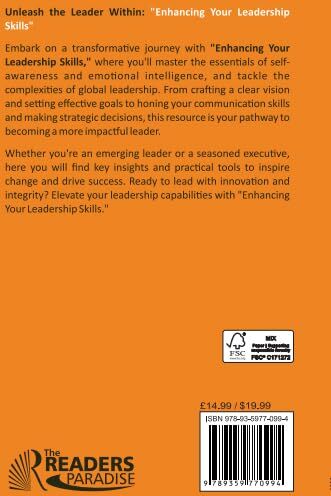
The Readers Paradise Enhancing Your Leadership Skills: A Practical Handbook for Success by Prof. V.K.Simon - Non Fiction Paperback - Leadership & Professional DevelopmentEnhance your leadership skills with this practical handbook by Prof. V.K.Simon. Written for anyone looking to lead with confidence and clarity, it blends self-awareness, emotional intelligence, and real-world strategy to help you achieve success. Whether you're a first-time manager or a seasoned executive, this compact guide delivers tools to strengthen decision-making, communication, and team impact in a fast-changing global workplace. It's built around the idea that great leadership is learned through practice, not theory alone, and covers the core competencies every effective leader needs, starting with self-awareness and emotional intelligence.2,99 £*Shipping: 2,99 £Secure redirect to the provider
-
The Readers Paradise Counseling Skills For Managers by Prof. N.K. Daniel - Paperback - Leadership, Coaching & Workplace Ethics Guide for Managers and HR ProfessionalsCounseling Skills For Managers is a practical guide that helps leaders develop essential counseling skills for the workplace. Written for managers, team leads, HR professionals, and aspiring executives, it covers foundational counseling theory and its strategic application in corporate settings. The book teaches readers how to listen with empathy, structure coaching conversations, resolve role conflicts, and support colleagues through change and difficulty, all while maintaining clear ethical boundaries. This guide is a valuable addition to any professional development or leadership library, offering a unique blend of psychology and management principles in an accessible format.2,99 £*Shipping: 2,99 £Secure redirect to the provider
-
Aporta Games Saltfjord Board Game - Dice Drafting - Village Development - Resource ManagementBuild a fishing village in northern Norway with Saltfjord, a strategic board game set at the end of the 19th century. Players develop their own settlement while making careful decisions about resources, buildings, trade, and technology. Use dice drafting to determine the actions available to you, then send your boat out to gather fish and expand the prosperity of your village. Construct new buildings, improve your capabilities, and discover technologies that can make everyday life more efficient. The game draws inspiration from the dice-drafting mechanisms of Santa Maria, while introducing its own setting, systems, and expanded gameplay. Each decision contributes to the direction of your settlement, giving players several ways to pursue success.45,21 £*Shipping: 3,95 £Secure redirect to the provider
-
How does one read Sanskrit?
Reading Sanskrit involves understanding the Devanagari script, which is the script used to write Sanskrit. Each character in Devanagari represents a specific sound, and the script is written from left to right. It is important to learn the pronunciation rules and understand the diacritical marks used in Sanskrit to correctly read and pronounce the words. Practice and familiarity with the script are key to becoming proficient in reading Sanskrit texts. **
-
How can one learn Sanskrit?
One can learn Sanskrit through various means such as enrolling in a formal course at a university or language institute, finding a private tutor, or using online resources and self-study materials. There are also many books, apps, and websites available for learning Sanskrit, as well as online courses and tutorials. It is important to practice regularly and immerse oneself in the language as much as possible to gain proficiency. Additionally, seeking out opportunities to engage with native speakers and participate in language exchange programs can also be beneficial for learning Sanskrit. **
-
How can one best learn Sanskrit?
One of the best ways to learn Sanskrit is by taking formal classes with a qualified teacher who can provide guidance and feedback. Additionally, practicing regularly by reading Sanskrit texts, writing in Sanskrit, and speaking the language with others can help reinforce learning. Utilizing resources such as textbooks, online courses, and language learning apps can also be beneficial in supplementing one's learning. Immersing oneself in the language and culture by attending Sanskrit workshops, seminars, or visiting India can further enhance one's understanding and proficiency in Sanskrit. **
-
Which language is most similar to Sanskrit?
The language most similar to Sanskrit is probably Hindi. Both languages belong to the Indo-Aryan branch of the Indo-European language family and share a lot of vocabulary, grammar, and phonetic features. Many words in Hindi are derived from Sanskrit, and the two languages also have similar sentence structures and verb conjugations. Additionally, both languages use the Devanagari script for writing. **
Similar search terms for Sanskrit
-
Various Publishers How to Talk to Anyone, Next Conversation & Psychology of Management - 3 Book Paperback Set - Communication, Leadership & Management PsychologyThis 3-book collection set brings together three practical, people-focused reads for anyone who wants to communicate better and lead more effectively. Leil Lowndes' classic 'How to Talk to Anyone' pairs with Jefferson Fisher's 'Next Conversation' and a foundational 'Psychology of Management' title to cover everyday conversation, conflict resolution, and workplace psychology in one bundle. Whether you are prepping for interviews, managing a team, or simply want to feel more confident in social situations, this paperback set offers accessible, actionable guidance you can start using immediately. The set includes 'How to Talk to Anyone' by Leil Lowndes, 'Next Conversation' by Jefferson Fisher, and 'Psychology of Management'.20,99 £*Shipping: 2,99 £Secure redirect to the provider
-
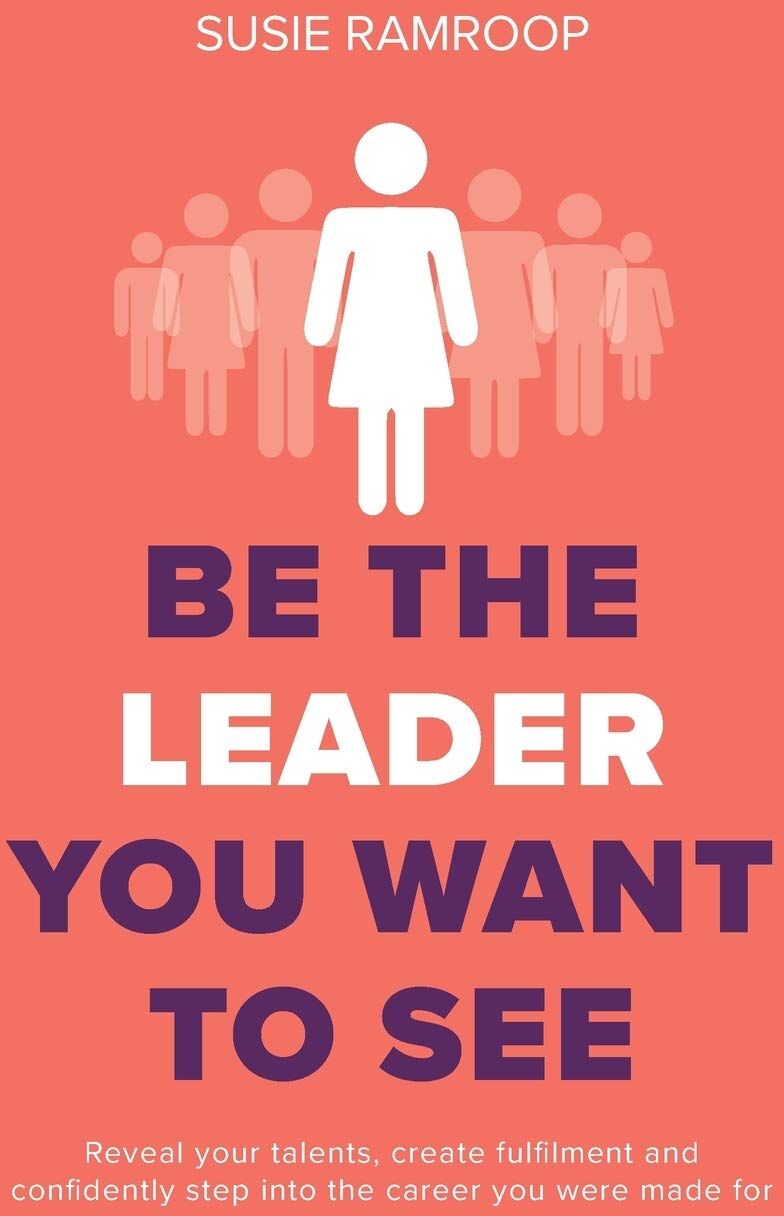
Rethink Press Be the Leader You Want to See by Susie Ramroop - Paperback Leadership & Career Development Book for Ambitious ProfessionalsBe the Leader You Want to See is a leadership guide by career coach Susie Ramroop, written for ambitious professionals. This brand-new paperback helps you unlock the talent you already possess and present it to the world with confidence. The book is structured around three transformative stages: Awareness, Bravery, and Contribution. In Awareness, you break free from the search for fulfillment and quieten the inner impostor that has kept you playing small. In Bravery, you learn to step up and take on new challenges. The book is a concise and purpose-driven guide that turns good intentions into tangible career progress for managers, aspiring leaders, and mentors alike. Susie Ramroop guides readers through the three stages, helping them to become the leaders they want to see.4,99 £*Shipping: 2,99 £Secure redirect to the provider
-
What is the Sanskrit translation for Tattoo?
The Sanskrit translation for Tattoo is "लोहचिह्न" (lohacihna). **
-
Which language is older, Urdu or Sanskrit?
Sanskrit is considered to be older than Urdu. Sanskrit is an ancient Indo-Aryan language that has been used in the Indian subcontinent for thousands of years and is the liturgical language of Hinduism, Buddhism, and Jainism. Urdu, on the other hand, is a more recent language that developed in the Indian subcontinent during the Mughal period, blending elements of Persian, Arabic, and Turkish with local languages. Therefore, Sanskrit is generally considered to be older than Urdu. **
-
How can one write 'heart' in Sanskrit?
The word "heart" in Sanskrit is written as "हृदय" (hṛdaya). This word is used to refer to the physical heart as well as the emotional and spiritual center of a person. In Sanskrit, the heart is considered the seat of emotions, consciousness, and the source of life. **
-
What does the term batukaya mean in Sanskrit?
The term "batukaya" in Sanskrit refers to a group of young boys or disciples. It is often used to describe a group of students or followers who are learning from a teacher or guru. The term carries connotations of youthful energy, enthusiasm, and a willingness to learn. In Hindu mythology, the term is also associated with the youthful form of the god Shiva. **
* All prices are inclusive of VAT and, if applicable, plus shipping costs. The offer information is based on the details provided by the respective shop and is updated through automated processes. Real-time updates do not occur, so deviations can occur in individual cases. ** Note: Parts of this content were created by AI.