Buy aefca.eu ?
We are moving the project
aefca.eu .
Are you interested in purchasing the domain
aefca.eu ?
domain@kv-gmbh.de · 0541-91531010
Buy aefca.eu ?
What is skepticism?
Skepticism is an attitude of doubt or disbelief towards certain beliefs or claims. It involves questioning the validity or truth of something, often requiring evidence or logical reasoning to support a claim before accepting it as true. Skepticism can be a healthy approach to critically evaluating information and avoiding being misled by false or unsubstantiated claims. It encourages individuals to think critically and not accept information at face value. **
"Is my skepticism justified?"
It is natural to have skepticism, as it can help us critically evaluate information and make informed decisions. However, it is important to balance skepticism with an open mind and willingness to consider new perspectives. Reflect on the reasons for your skepticism and seek out reliable sources of information to validate your concerns. Ultimately, it is important to trust your instincts and make decisions that align with your values and beliefs. **

Similar search terms for Skepticism
Top-Angebote
Products related to Skepticism:
-
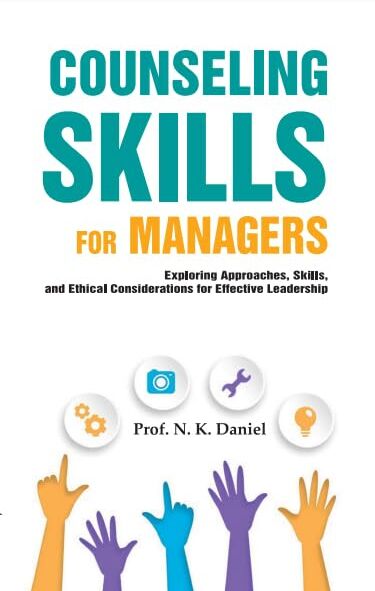
The Readers Paradise Counseling Skills For Managers by Prof. N.K. Daniel - Paperback - Leadership, Coaching & Workplace Ethics Guide for Managers and HR ProfessionalsCounseling Skills For Managers is a practical guide that helps leaders develop essential counseling skills for the workplace. Written for managers, team leads, HR professionals, and aspiring executives, it covers foundational counseling theory and its strategic application in corporate settings. The book teaches readers how to listen with empathy, structure coaching conversations, resolve role conflicts, and support colleagues through change and difficulty, all while maintaining clear ethical boundaries. This guide is a valuable addition to any professional development or leadership library, offering a unique blend of psychology and management principles in an accessible format.2,99 £*Shipping: 2,99 £Secure redirect to the provider
-
Various Publishers How to Talk to Anyone, Next Conversation & Psychology of Management - 3 Book Paperback Set - Communication, Leadership & Management PsychologyThis 3-book collection set brings together three practical, people-focused reads for anyone who wants to communicate better and lead more effectively. Leil Lowndes' classic 'How to Talk to Anyone' pairs with Jefferson Fisher's 'Next Conversation' and a foundational 'Psychology of Management' title to cover everyday conversation, conflict resolution, and workplace psychology in one bundle. Whether you are prepping for interviews, managing a team, or simply want to feel more confident in social situations, this paperback set offers accessible, actionable guidance you can start using immediately. The set includes 'How to Talk to Anyone' by Leil Lowndes, 'Next Conversation' by Jefferson Fisher, and 'Psychology of Management'.20,99 £*Shipping: 2,99 £Secure redirect to the provider
-
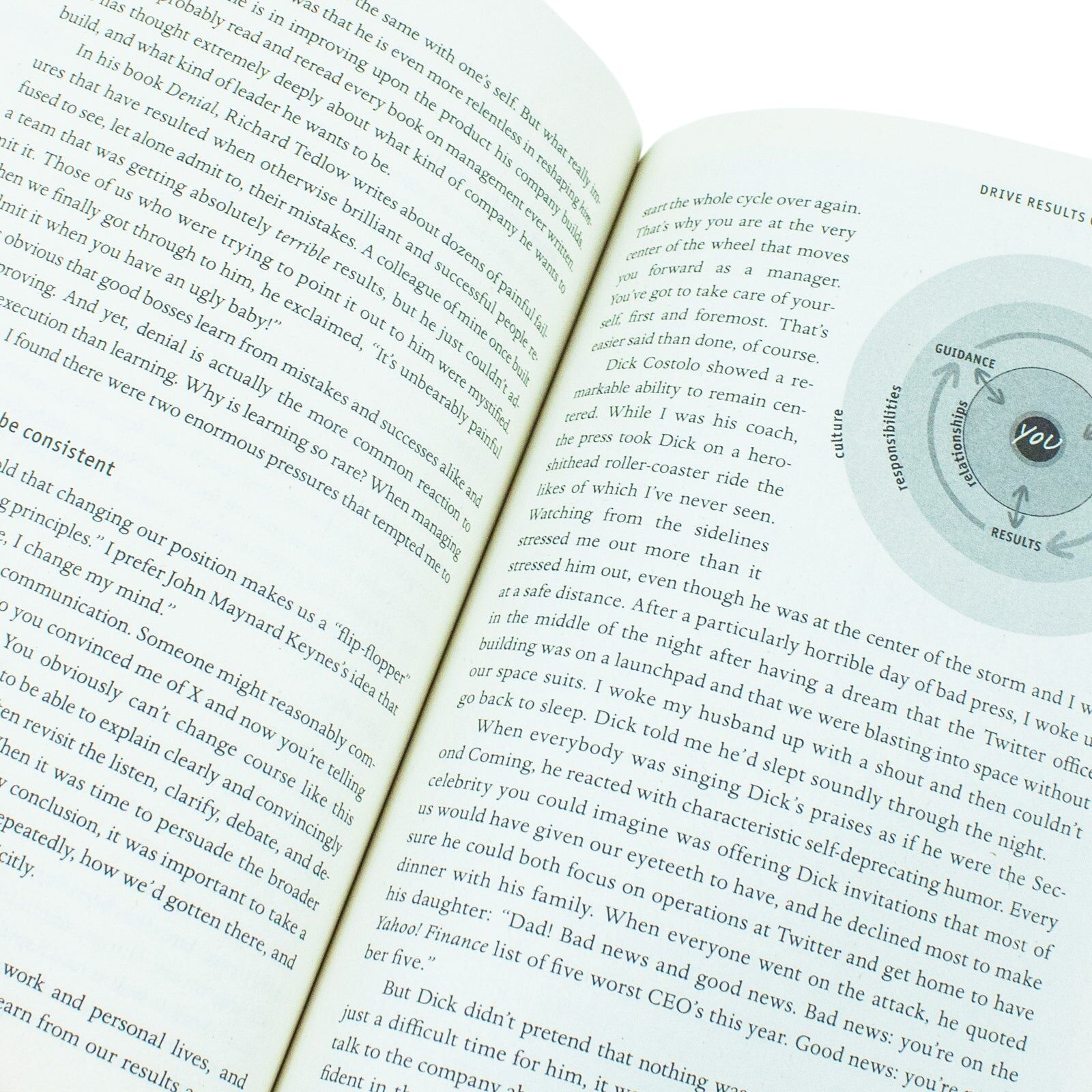
Pan Macmillan Radical Candor by Kim Scott The Bestselling Leadership Book - Management, Feedback & Workplace Culture BookRadical Candor by Kim Scott is a groundbreaking leadership and communication guide that teaches how to give feedback effectively, build trust, and create high-performing teams without becoming harsh—or avoiding difficult conversations. Based on Scott’s experience at Google, Apple and Silicon Valley startups, Radical Candor introduces a simple but powerful framework built on two pillars: Care Personally Challenge Directly The book provides practical tools for giving honest feedback, fostering open communication, strengthening working relationships, and becoming a more compassionate and impactful leader. Perfect for managers, team leaders, HR professionals, and anyone wanting to build a healthy, productive workplace culture. Radical Candor is the perfect handbook for those who are looking to find meaning in their job and create an environment where people love both their work and their colleagues, and are motivated to strive to ever greater success.2,99 £*Shipping: 1,99 £Secure redirect to the provider


-
What is Bertrand Russell's skepticism?
Bertrand Russell's skepticism is a philosophical position that questions the possibility of attaining certain knowledge. He believed that our beliefs and knowledge should be based on evidence and reason rather than faith or intuition. Russell was skeptical of metaphysical claims and religious beliefs, advocating for a scientific and empirical approach to understanding the world. His skepticism led him to challenge traditional philosophical and religious doctrines, encouraging critical thinking and open-mindedness. **
-
Has philosophy or even science overcome skepticism?
Philosophy and science have made significant progress in addressing skepticism, but it is an ongoing process. Both disciplines have developed methods and theories to challenge and counter skepticism, such as the scientific method and philosophical arguments for the reliability of knowledge. However, skepticism continues to be a fundamental challenge in both fields, and there is ongoing debate and inquiry into how to best address and overcome it. While progress has been made, it is an ongoing and complex issue that continues to be a central concern in philosophy and science. **
-
What is the difference between skepticism and pessimism?
Skepticism is a questioning attitude towards knowledge, beliefs, or claims, where one doubts the validity or truth of something until sufficient evidence is provided. Pessimism, on the other hand, is a negative outlook or belief that things will turn out badly or that the worst will happen. While skepticism involves a critical evaluation of information, pessimism is more about expecting negative outcomes. **
-
What is the difference between skepticism and rationalism?
Skepticism is the questioning of knowledge and beliefs, often doubting the certainty of truth claims and requiring evidence or justification for beliefs. Rationalism, on the other hand, is the belief that reason and logic are the primary sources of knowledge and justification for beliefs. While skepticism focuses on questioning and doubting beliefs, rationalism emphasizes the importance of reason and logical thinking in forming beliefs and understanding the world. **

Is the skepticism justified that my friend has a second phone?
It is natural to feel skeptical if your friend has a second phone, as it may raise questions about their intentions or activities. However, it is important to communicate openly with your friend to understand the reason behind having a second phone. It could be for legitimate reasons such as work, privacy, or personal organization. It is essential to approach the situation with an open mind and have a conversation with your friend to address any concerns you may have. **
What is the connection between empiricism, skepticism, and the problem of induction?
Empiricism is the philosophical belief that knowledge comes primarily from sensory experience. Skepticism, on the other hand, is the questioning of the possibility of knowledge and the reliability of our senses. The problem of induction arises in the context of empiricism and skepticism because it questions the validity of making generalizations based on past experiences. In other words, how can we be certain that future events will follow the same patterns as past events, especially when our sensory experiences may be limited or unreliable? **
Top-Angebote
Products related to Skepticism:
-
Perfect Picks Market Geometric Building Blocks Set For Kids Early Education Intelligence Development Toy Geometric Building Blocks Set For Kids Early Education Intelligence Development ToyUnlock your child's potential with this early education equipment designed to stimulate creativity and intelligence! This geometric set is the perfect building block toy for boys, helping to develop problemsolving skills while having fun. The...35,97 $*Shipping: 0,00 $Secure redirect to the provider
-
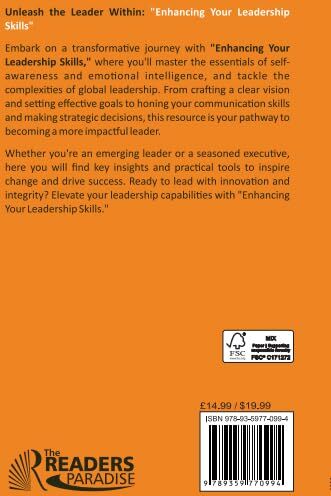
The Readers Paradise Enhancing Your Leadership Skills: A Practical Handbook for Success by Prof. V.K.Simon - Non Fiction Paperback - Leadership & Professional DevelopmentEnhance your leadership skills with this practical handbook by Prof. V.K.Simon. Written for anyone looking to lead with confidence and clarity, it blends self-awareness, emotional intelligence, and real-world strategy to help you achieve success. Whether you're a first-time manager or a seasoned executive, this compact guide delivers tools to strengthen decision-making, communication, and team impact in a fast-changing global workplace. It's built around the idea that great leadership is learned through practice, not theory alone, and covers the core competencies every effective leader needs, starting with self-awareness and emotional intelligence.2,99 £*Shipping: 2,99 £Secure redirect to the provider
-
The Readers Paradise Counseling Skills For Managers by Prof. N.K. Daniel - Paperback - Leadership, Coaching & Workplace Ethics Guide for Managers and HR ProfessionalsCounseling Skills For Managers is a practical guide that helps leaders develop essential counseling skills for the workplace. Written for managers, team leads, HR professionals, and aspiring executives, it covers foundational counseling theory and its strategic application in corporate settings. The book teaches readers how to listen with empathy, structure coaching conversations, resolve role conflicts, and support colleagues through change and difficulty, all while maintaining clear ethical boundaries. This guide is a valuable addition to any professional development or leadership library, offering a unique blend of psychology and management principles in an accessible format.2,99 £*Shipping: 2,99 £Secure redirect to the provider
-
Various Publishers How to Talk to Anyone, Next Conversation & Psychology of Management - 3 Book Paperback Set - Communication, Leadership & Management PsychologyThis 3-book collection set brings together three practical, people-focused reads for anyone who wants to communicate better and lead more effectively. Leil Lowndes' classic 'How to Talk to Anyone' pairs with Jefferson Fisher's 'Next Conversation' and a foundational 'Psychology of Management' title to cover everyday conversation, conflict resolution, and workplace psychology in one bundle. Whether you are prepping for interviews, managing a team, or simply want to feel more confident in social situations, this paperback set offers accessible, actionable guidance you can start using immediately. The set includes 'How to Talk to Anyone' by Leil Lowndes, 'Next Conversation' by Jefferson Fisher, and 'Psychology of Management'.20,99 £*Shipping: 2,99 £Secure redirect to the provider
-
What is skepticism?
Skepticism is an attitude of doubt or disbelief towards certain beliefs or claims. It involves questioning the validity or truth of something, often requiring evidence or logical reasoning to support a claim before accepting it as true. Skepticism can be a healthy approach to critically evaluating information and avoiding being misled by false or unsubstantiated claims. It encourages individuals to think critically and not accept information at face value. **
-
"Is my skepticism justified?"
It is natural to have skepticism, as it can help us critically evaluate information and make informed decisions. However, it is important to balance skepticism with an open mind and willingness to consider new perspectives. Reflect on the reasons for your skepticism and seek out reliable sources of information to validate your concerns. Ultimately, it is important to trust your instincts and make decisions that align with your values and beliefs. **
-
What is Bertrand Russell's skepticism?
Bertrand Russell's skepticism is a philosophical position that questions the possibility of attaining certain knowledge. He believed that our beliefs and knowledge should be based on evidence and reason rather than faith or intuition. Russell was skeptical of metaphysical claims and religious beliefs, advocating for a scientific and empirical approach to understanding the world. His skepticism led him to challenge traditional philosophical and religious doctrines, encouraging critical thinking and open-mindedness. **
-
Has philosophy or even science overcome skepticism?
Philosophy and science have made significant progress in addressing skepticism, but it is an ongoing process. Both disciplines have developed methods and theories to challenge and counter skepticism, such as the scientific method and philosophical arguments for the reliability of knowledge. However, skepticism continues to be a fundamental challenge in both fields, and there is ongoing debate and inquiry into how to best address and overcome it. While progress has been made, it is an ongoing and complex issue that continues to be a central concern in philosophy and science. **
Similar search terms for Skepticism
-
Pan Macmillan Radical Candor by Kim Scott The Bestselling Leadership Book - Management, Feedback & Workplace Culture BookRadical Candor by Kim Scott is a groundbreaking leadership and communication guide that teaches how to give feedback effectively, build trust, and create high-performing teams without becoming harsh—or avoiding difficult conversations. Based on Scott’s experience at Google, Apple and Silicon Valley startups, Radical Candor introduces a simple but powerful framework built on two pillars: Care Personally Challenge Directly The book provides practical tools for giving honest feedback, fostering open communication, strengthening working relationships, and becoming a more compassionate and impactful leader. Perfect for managers, team leaders, HR professionals, and anyone wanting to build a healthy, productive workplace culture. Radical Candor is the perfect handbook for those who are looking to find meaning in their job and create an environment where people love both their work and their colleagues, and are motivated to strive to ever greater success.2,99 £*Shipping: 1,99 £Secure redirect to the provider
-
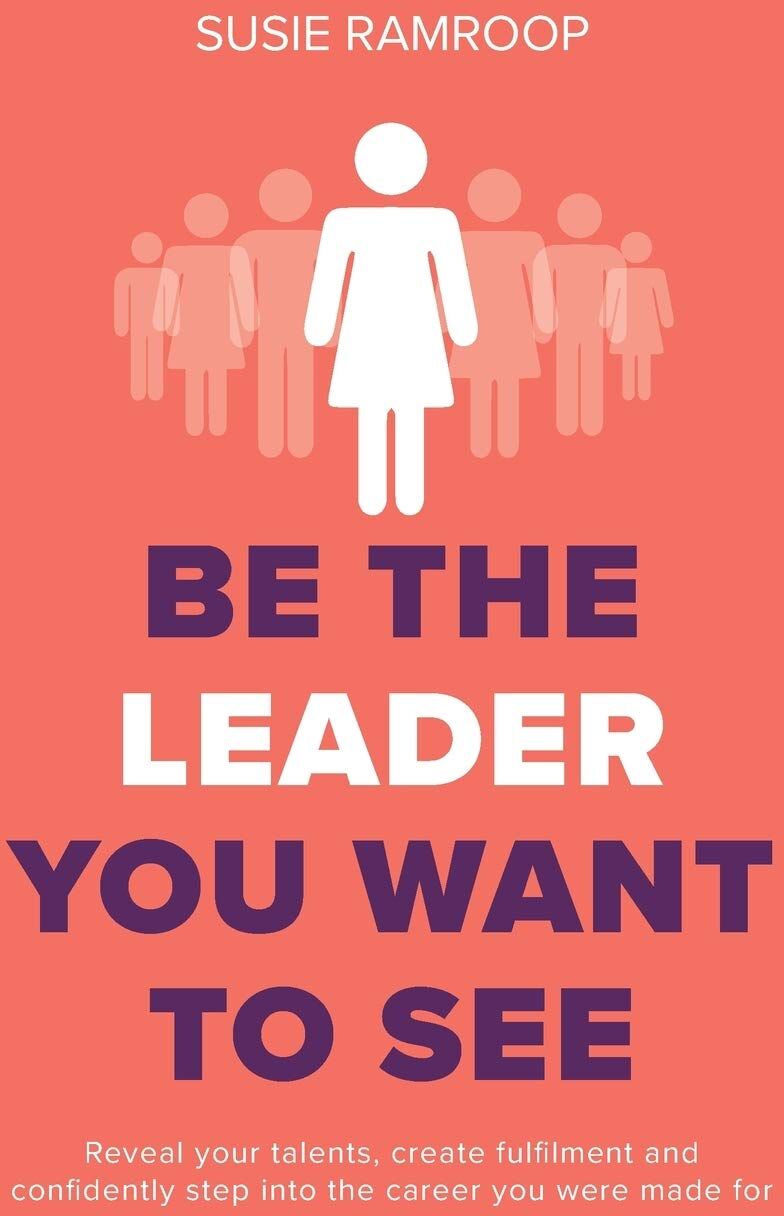
Rethink Press Be the Leader You Want to See by Susie Ramroop - Paperback Leadership & Career Development Book for Ambitious ProfessionalsBe the Leader You Want to See is a leadership guide by career coach Susie Ramroop, written for ambitious professionals. This brand-new paperback helps you unlock the talent you already possess and present it to the world with confidence. The book is structured around three transformative stages: Awareness, Bravery, and Contribution. In Awareness, you break free from the search for fulfillment and quieten the inner impostor that has kept you playing small. In Bravery, you learn to step up and take on new challenges. The book is a concise and purpose-driven guide that turns good intentions into tangible career progress for managers, aspiring leaders, and mentors alike. Susie Ramroop guides readers through the three stages, helping them to become the leaders they want to see.4,99 £*Shipping: 2,99 £Secure redirect to the provider
-
What is the difference between skepticism and pessimism?
Skepticism is a questioning attitude towards knowledge, beliefs, or claims, where one doubts the validity or truth of something until sufficient evidence is provided. Pessimism, on the other hand, is a negative outlook or belief that things will turn out badly or that the worst will happen. While skepticism involves a critical evaluation of information, pessimism is more about expecting negative outcomes. **
-
What is the difference between skepticism and rationalism?
Skepticism is the questioning of knowledge and beliefs, often doubting the certainty of truth claims and requiring evidence or justification for beliefs. Rationalism, on the other hand, is the belief that reason and logic are the primary sources of knowledge and justification for beliefs. While skepticism focuses on questioning and doubting beliefs, rationalism emphasizes the importance of reason and logical thinking in forming beliefs and understanding the world. **
-
Is the skepticism justified that my friend has a second phone?
It is natural to feel skeptical if your friend has a second phone, as it may raise questions about their intentions or activities. However, it is important to communicate openly with your friend to understand the reason behind having a second phone. It could be for legitimate reasons such as work, privacy, or personal organization. It is essential to approach the situation with an open mind and have a conversation with your friend to address any concerns you may have. **
-
What is the connection between empiricism, skepticism, and the problem of induction?
Empiricism is the philosophical belief that knowledge comes primarily from sensory experience. Skepticism, on the other hand, is the questioning of the possibility of knowledge and the reliability of our senses. The problem of induction arises in the context of empiricism and skepticism because it questions the validity of making generalizations based on past experiences. In other words, how can we be certain that future events will follow the same patterns as past events, especially when our sensory experiences may be limited or unreliable? **
* All prices are inclusive of VAT and, if applicable, plus shipping costs. The offer information is based on the details provided by the respective shop and is updated through automated processes. Real-time updates do not occur, so deviations can occur in individual cases. ** Note: Parts of this content were created by AI.