Buy aefca.eu ?
We are moving the project
aefca.eu .
Are you interested in purchasing the domain
aefca.eu ?
domain@kv-gmbh.de · 0541-91531010
Buy aefca.eu ?
What is mercantilism?
Mercantilism is an economic theory and practice that dominated European trade from the 16th to the 18th centuries. It focused on accumulating wealth through a favorable balance of trade, where a country exports more than it imports. Mercantilist policies included imposing tariffs and quotas on imports, promoting domestic industry, and acquiring colonies as sources of raw materials and markets for finished goods. Mercantilism aimed to increase a nation's power and wealth by maximizing exports and minimizing imports. **
Why would mercantilism not work nowadays?
Mercantilism would not work nowadays because it is based on the idea of accumulating wealth through a favorable balance of trade, which can lead to protectionist policies and trade wars. In today's globalized economy, countries rely on international trade and cooperation to drive economic growth. Mercantilist policies such as tariffs and restrictions on imports can hinder economic development and lead to retaliation from trading partners. Additionally, the focus on hoarding gold and silver as a measure of wealth is outdated in a world where wealth is measured by a variety of factors beyond just precious metals. **

Similar search terms for Mercantilism
Top-Angebote
Products related to Mercantilism:
-
Various Publishers How to Talk to Anyone, Next Conversation & Psychology of Management - 3 Book Paperback Set - Communication, Leadership & Management PsychologyThis 3-book collection set brings together three practical, people-focused reads for anyone who wants to communicate better and lead more effectively. Leil Lowndes' classic 'How to Talk to Anyone' pairs with Jefferson Fisher's 'Next Conversation' and a foundational 'Psychology of Management' title to cover everyday conversation, conflict resolution, and workplace psychology in one bundle. Whether you are prepping for interviews, managing a team, or simply want to feel more confident in social situations, this paperback set offers accessible, actionable guidance you can start using immediately. The set includes 'How to Talk to Anyone' by Leil Lowndes, 'Next Conversation' by Jefferson Fisher, and 'Psychology of Management'.20,99 £*Shipping: 2,99 £Secure redirect to the provider
-
The Readers Paradise Counseling Skills For Managers by Prof. N.K. Daniel - Paperback - Leadership, Coaching & Workplace Ethics Guide for Managers and HR ProfessionalsCounseling Skills For Managers is a practical guide that helps leaders develop essential counseling skills for the workplace. Written for managers, team leads, HR professionals, and aspiring executives, it covers foundational counseling theory and its strategic application in corporate settings. The book teaches readers how to listen with empathy, structure coaching conversations, resolve role conflicts, and support colleagues through change and difficulty, all while maintaining clear ethical boundaries. This guide is a valuable addition to any professional development or leadership library, offering a unique blend of psychology and management principles in an accessible format.2,99 £*Shipping: 2,99 £Secure redirect to the provider
-
Pan Macmillan Radical Candor by Kim Scott The Bestselling Leadership Book - Management, Feedback & Workplace Culture BookRadical Candor by Kim Scott is a groundbreaking leadership and communication guide that teaches how to give feedback effectively, build trust, and create high-performing teams without becoming harsh—or avoiding difficult conversations. Based on Scott’s experience at Google, Apple and Silicon Valley startups, Radical Candor introduces a simple but powerful framework built on two pillars: Care Personally Challenge Directly The book provides practical tools for giving honest feedback, fostering open communication, strengthening working relationships, and becoming a more compassionate and impactful leader. Perfect for managers, team leaders, HR professionals, and anyone wanting to build a healthy, productive workplace culture. Radical Candor is the perfect handbook for those who are looking to find meaning in their job and create an environment where people love both their work and their colleagues, and are motivated to strive to ever greater success.2,99 £*Shipping: 1,99 £Secure redirect to the provider
-
Saltfjord Strategic Board Game by Aporta Games, Dice Drafting, Village Development, and Resource ManagementBuild a fishing village in northern Norway with Saltfjord, a strategic board game set at the end of the 19th century. Players develop their own settlement while making careful decisions about resources, buildings, trade, and technology. Use dice drafting to determine the actions available to you, then send your boat out to gather fish and expand the prosperity of your village. Construct new buildings, improve your capabilities, and discover technologies that can make everyday life more efficient. The game draws inspiration from the dice-drafting mechanisms of Santa Maria, while introducing its own setting, systems, and expanded gameplay. Each decision contributes to the direction of your settlement, giving players several ways to pursue success.43,89 £*Shipping: 1,99 £Secure redirect to the provider




-
Is there an opposite of mercantilism?
Yes, the opposite of mercantilism is often considered to be free trade or laissez-faire economics. Mercantilism is characterized by government intervention in the economy, protectionist trade policies, and the accumulation of wealth through a positive balance of trade. In contrast, free trade advocates for minimal government intervention in the economy, open markets, and the belief that trade benefits all parties involved. Free trade promotes the idea that individuals and businesses should be free to engage in commerce without government restrictions or tariffs. **
-
Why would mercantilism not work today?
Mercantilism is an economic theory that emphasizes the accumulation of wealth through government intervention in trade. However, in today's globalized economy, where trade barriers are reduced and countries rely on interconnected supply chains, the principles of mercantilism would not be effective. Unilateral efforts to hoard wealth through protectionist policies would likely lead to retaliation from trading partners, disrupting the delicate balance of international trade. Additionally, the focus on accumulating precious metals as a measure of wealth is outdated in a modern economy where wealth is created through innovation, technology, and human capital. **
-
What is the tariff wall of mercantilism?
The tariff wall of mercantilism refers to the system of high tariffs or taxes imposed on imported goods in order to protect domestic industries and promote exports. This policy was a key feature of mercantilist economic theory, which believed that a country's wealth and power could be increased by maximizing exports and minimizing imports. By creating barriers to foreign goods, countries sought to maintain a favorable balance of trade and accumulate precious metals. However, this protectionist approach often led to retaliatory measures by other countries and hindered overall economic growth. **
-
What exactly does mercantilism and absolutism mean?
Mercantilism was an economic theory and practice that dominated Western European economic policies from the 16th to the 18th century. It emphasized the importance of accumulating wealth through a favorable balance of trade, the establishment of colonies, and the promotion of domestic industry and manufacturing. Absolutism, on the other hand, was a political system in which a single ruler held absolute power and authority over the state and its people. This system was prevalent in Europe during the same time period as mercantilism and was characterized by centralized authority, the suppression of dissent, and the belief in the divine right of kings. Both mercantilism and absolutism were influential in shaping the political and economic landscape of early modern Europe. **

What is the difference between Mercantilism and Liberalism?
Mercantilism is an economic theory that emphasizes the importance of accumulating wealth through trade surpluses, government intervention in the economy, and the accumulation of gold and silver reserves. On the other hand, Liberalism is an economic theory that emphasizes free markets, limited government intervention, individual rights, and the importance of competition. While Mercantilism focuses on protectionist policies and state control of the economy, Liberalism promotes free trade and a laissez-faire approach to economic activities. **
Was liberalism a reaction to mercantilism and why?
Yes, liberalism can be seen as a reaction to mercantilism. Mercantilism was an economic system that emphasized government intervention in the economy, strict regulations on trade, and the accumulation of wealth through exports. In contrast, liberalism emerged as a response to the restrictions and regulations imposed by mercantilism, advocating for free trade, individual rights, and limited government intervention in the economy. Liberalism sought to promote economic freedom, competition, and the idea that individuals should be able to pursue their own economic interests without excessive government interference. **
Top-Angebote
Products related to Mercantilism:
-
Perfect Picks Market Geometric Building Blocks Set For Kids Early Education Intelligence Development Toy Geometric Building Blocks Set For Kids Early Education Intelligence Development ToyUnlock your child's potential with this early education equipment designed to stimulate creativity and intelligence! This geometric set is the perfect building block toy for boys, helping to develop problemsolving skills while having fun. The...35,97 $*Shipping: 0,00 $Secure redirect to the provider
-
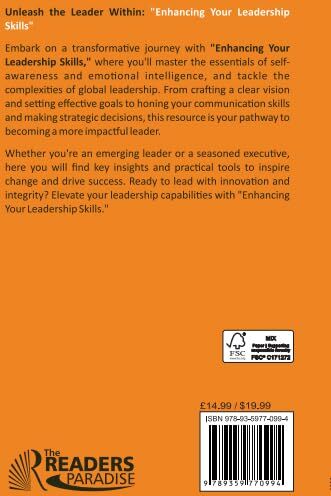
The Readers Paradise Enhancing Your Leadership Skills: A Practical Handbook for Success by Prof. V.K.Simon - Non Fiction Paperback - Leadership & Professional DevelopmentEnhance your leadership skills with this practical handbook by Prof. V.K.Simon. Written for anyone looking to lead with confidence and clarity, it blends self-awareness, emotional intelligence, and real-world strategy to help you achieve success. Whether you're a first-time manager or a seasoned executive, this compact guide delivers tools to strengthen decision-making, communication, and team impact in a fast-changing global workplace. It's built around the idea that great leadership is learned through practice, not theory alone, and covers the core competencies every effective leader needs, starting with self-awareness and emotional intelligence.2,99 £*Shipping: 2,99 £Secure redirect to the provider
-
Various Publishers How to Talk to Anyone, Next Conversation & Psychology of Management - 3 Book Paperback Set - Communication, Leadership & Management PsychologyThis 3-book collection set brings together three practical, people-focused reads for anyone who wants to communicate better and lead more effectively. Leil Lowndes' classic 'How to Talk to Anyone' pairs with Jefferson Fisher's 'Next Conversation' and a foundational 'Psychology of Management' title to cover everyday conversation, conflict resolution, and workplace psychology in one bundle. Whether you are prepping for interviews, managing a team, or simply want to feel more confident in social situations, this paperback set offers accessible, actionable guidance you can start using immediately. The set includes 'How to Talk to Anyone' by Leil Lowndes, 'Next Conversation' by Jefferson Fisher, and 'Psychology of Management'.20,99 £*Shipping: 2,99 £Secure redirect to the provider
-
The Readers Paradise Counseling Skills For Managers by Prof. N.K. Daniel - Paperback - Leadership, Coaching & Workplace Ethics Guide for Managers and HR ProfessionalsCounseling Skills For Managers is a practical guide that helps leaders develop essential counseling skills for the workplace. Written for managers, team leads, HR professionals, and aspiring executives, it covers foundational counseling theory and its strategic application in corporate settings. The book teaches readers how to listen with empathy, structure coaching conversations, resolve role conflicts, and support colleagues through change and difficulty, all while maintaining clear ethical boundaries. This guide is a valuable addition to any professional development or leadership library, offering a unique blend of psychology and management principles in an accessible format.2,99 £*Shipping: 2,99 £Secure redirect to the provider
-
What is mercantilism?
Mercantilism is an economic theory and practice that dominated European trade from the 16th to the 18th centuries. It focused on accumulating wealth through a favorable balance of trade, where a country exports more than it imports. Mercantilist policies included imposing tariffs and quotas on imports, promoting domestic industry, and acquiring colonies as sources of raw materials and markets for finished goods. Mercantilism aimed to increase a nation's power and wealth by maximizing exports and minimizing imports. **
-
Why would mercantilism not work nowadays?
Mercantilism would not work nowadays because it is based on the idea of accumulating wealth through a favorable balance of trade, which can lead to protectionist policies and trade wars. In today's globalized economy, countries rely on international trade and cooperation to drive economic growth. Mercantilist policies such as tariffs and restrictions on imports can hinder economic development and lead to retaliation from trading partners. Additionally, the focus on hoarding gold and silver as a measure of wealth is outdated in a world where wealth is measured by a variety of factors beyond just precious metals. **
-
Is there an opposite of mercantilism?
Yes, the opposite of mercantilism is often considered to be free trade or laissez-faire economics. Mercantilism is characterized by government intervention in the economy, protectionist trade policies, and the accumulation of wealth through a positive balance of trade. In contrast, free trade advocates for minimal government intervention in the economy, open markets, and the belief that trade benefits all parties involved. Free trade promotes the idea that individuals and businesses should be free to engage in commerce without government restrictions or tariffs. **
-
Why would mercantilism not work today?
Mercantilism is an economic theory that emphasizes the accumulation of wealth through government intervention in trade. However, in today's globalized economy, where trade barriers are reduced and countries rely on interconnected supply chains, the principles of mercantilism would not be effective. Unilateral efforts to hoard wealth through protectionist policies would likely lead to retaliation from trading partners, disrupting the delicate balance of international trade. Additionally, the focus on accumulating precious metals as a measure of wealth is outdated in a modern economy where wealth is created through innovation, technology, and human capital. **
Similar search terms for Mercantilism
-
Pan Macmillan Radical Candor by Kim Scott The Bestselling Leadership Book - Management, Feedback & Workplace Culture BookRadical Candor by Kim Scott is a groundbreaking leadership and communication guide that teaches how to give feedback effectively, build trust, and create high-performing teams without becoming harsh—or avoiding difficult conversations. Based on Scott’s experience at Google, Apple and Silicon Valley startups, Radical Candor introduces a simple but powerful framework built on two pillars: Care Personally Challenge Directly The book provides practical tools for giving honest feedback, fostering open communication, strengthening working relationships, and becoming a more compassionate and impactful leader. Perfect for managers, team leaders, HR professionals, and anyone wanting to build a healthy, productive workplace culture. Radical Candor is the perfect handbook for those who are looking to find meaning in their job and create an environment where people love both their work and their colleagues, and are motivated to strive to ever greater success.2,99 £*Shipping: 1,99 £Secure redirect to the provider
-
Saltfjord Strategic Board Game by Aporta Games, Dice Drafting, Village Development, and Resource ManagementBuild a fishing village in northern Norway with Saltfjord, a strategic board game set at the end of the 19th century. Players develop their own settlement while making careful decisions about resources, buildings, trade, and technology. Use dice drafting to determine the actions available to you, then send your boat out to gather fish and expand the prosperity of your village. Construct new buildings, improve your capabilities, and discover technologies that can make everyday life more efficient. The game draws inspiration from the dice-drafting mechanisms of Santa Maria, while introducing its own setting, systems, and expanded gameplay. Each decision contributes to the direction of your settlement, giving players several ways to pursue success.43,89 £*Shipping: 1,99 £Secure redirect to the provider
-
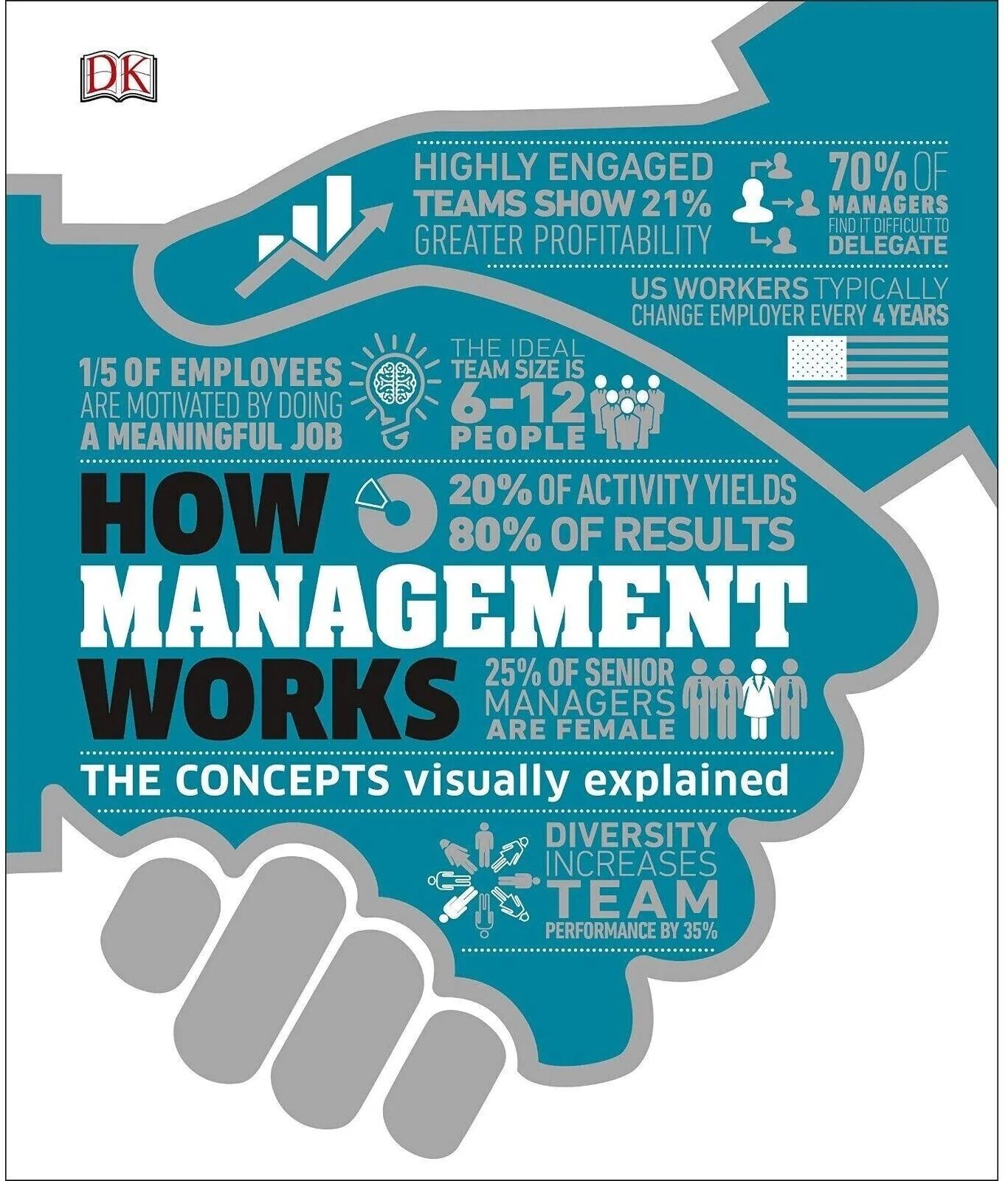
How Management Works: Concepts Visually Explained by DK - Hardback Non Fiction Business & Leadership Visual Guide for ManagersA definitive guide to modern management, 'How Management Works: Concepts Visually Explained' by DK offers clear explanations and bold diagrams to help you understand leadership, communication, strategy, team dynamics, and decision-making. This hardback book is ideal for new and experienced managers, business students, and anyone looking for a practical reference on effective team management. Published by DK as part of their 'How Things Work' visual series, it distills complex management theory into accessible guidance that you can apply immediately.13,49 £*Shipping: 2,99 £Secure redirect to the provider
-
What is the tariff wall of mercantilism?
The tariff wall of mercantilism refers to the system of high tariffs or taxes imposed on imported goods in order to protect domestic industries and promote exports. This policy was a key feature of mercantilist economic theory, which believed that a country's wealth and power could be increased by maximizing exports and minimizing imports. By creating barriers to foreign goods, countries sought to maintain a favorable balance of trade and accumulate precious metals. However, this protectionist approach often led to retaliatory measures by other countries and hindered overall economic growth. **
-
What exactly does mercantilism and absolutism mean?
Mercantilism was an economic theory and practice that dominated Western European economic policies from the 16th to the 18th century. It emphasized the importance of accumulating wealth through a favorable balance of trade, the establishment of colonies, and the promotion of domestic industry and manufacturing. Absolutism, on the other hand, was a political system in which a single ruler held absolute power and authority over the state and its people. This system was prevalent in Europe during the same time period as mercantilism and was characterized by centralized authority, the suppression of dissent, and the belief in the divine right of kings. Both mercantilism and absolutism were influential in shaping the political and economic landscape of early modern Europe. **
-
What is the difference between Mercantilism and Liberalism?
Mercantilism is an economic theory that emphasizes the importance of accumulating wealth through trade surpluses, government intervention in the economy, and the accumulation of gold and silver reserves. On the other hand, Liberalism is an economic theory that emphasizes free markets, limited government intervention, individual rights, and the importance of competition. While Mercantilism focuses on protectionist policies and state control of the economy, Liberalism promotes free trade and a laissez-faire approach to economic activities. **
-
Was liberalism a reaction to mercantilism and why?
Yes, liberalism can be seen as a reaction to mercantilism. Mercantilism was an economic system that emphasized government intervention in the economy, strict regulations on trade, and the accumulation of wealth through exports. In contrast, liberalism emerged as a response to the restrictions and regulations imposed by mercantilism, advocating for free trade, individual rights, and limited government intervention in the economy. Liberalism sought to promote economic freedom, competition, and the idea that individuals should be able to pursue their own economic interests without excessive government interference. **
* All prices are inclusive of VAT and, if applicable, plus shipping costs. The offer information is based on the details provided by the respective shop and is updated through automated processes. Real-time updates do not occur, so deviations can occur in individual cases. ** Note: Parts of this content were created by AI.